Dussehra Demand Lifts Shops Ahead of Diwali Rush
Dussehra 2024 brought puja timings, Ravan Dahan crowds and festive buying into focus as retailers prepared for a busy pre-Diwali demand window.
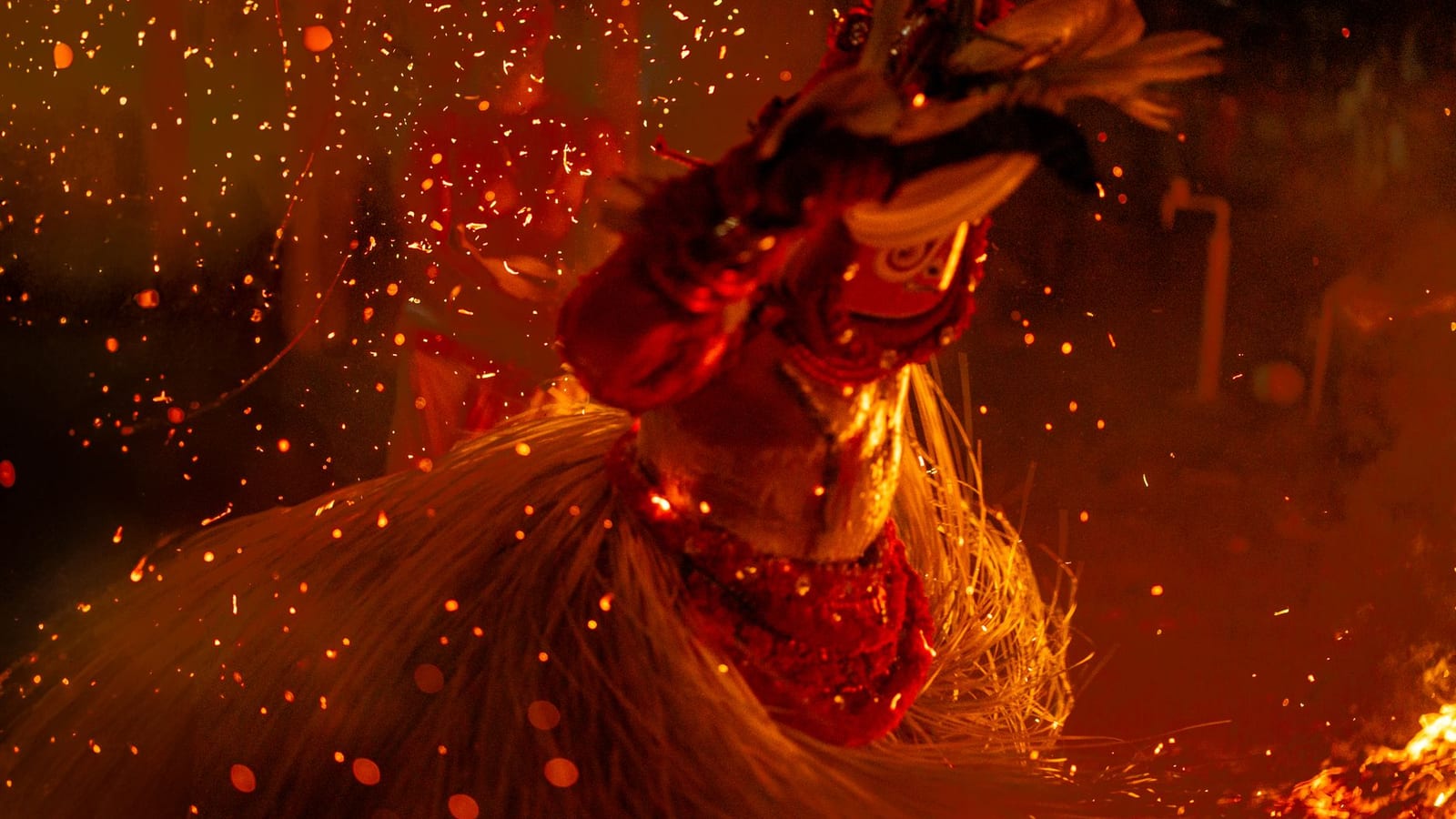
A festival calendar can move markets as surely as a budget speech can move stocks. On Saturday, October 12, 2024, Dussehra brought that familiar mix of faith, family spending, and neighbourhood commerce back into focus.
For many homes, the day meant puja, sweets, and evening crowds at Ravan Dahan grounds. For shopkeepers, jewellers, garment sellers, caterers, transporters, and small event vendors, it also meant one of the busiest demand windows before Diwali.
The festival, also called Vijayadashami, marks the victory of good over evil. But in India, such days rarely stay inside temples and pandals. They spill into bazaars, balance sheets, and household budgets.
The timing families watched closely
Dussehra in 2024 fell on October 12. The Dashami tithi began at 10.58 am on October 12 and ended at 9.08 am on October 13.
The Shravan nakshatra began earlier, at 5.25 am on October 12, and ended at 4.27 am on October 13. For families that follow the panchang closely, these timings shape the rhythm of the day.
As per Drik Panchang, the Vijay Muhurat for Shastra Puja, Aparajita Puja, and Shami Puja ran from 2.02 pm to 2.48 pm. That gave devotees a 46-minute window.
The broader Aparahna Puja timing stretched from 1.16 pm to 3.35 pm. That offered a longer 2-hour and 19-minute period for households and community groups.
Ravan Dahan, traditionally performed during Pradosh Kaal, had an evening window from 5.53 pm to 7.27 pm. That timing matters because it decides when large crowds gather, traffic peaks, and local businesses see their last big rush of the day.
Rituals with a retail pulse
Dussehra rituals look simple on the surface. A clean red cloth is placed on a chowki. Idols or images of Lord Ram and Mata Durga are installed. Rice is coloured with turmeric. Offerings include flowers, fruit, sweets, and prayers.
But behind this sits a whole chain of small commerce. Someone sells the cloth. Someone supplies flowers. Someone makes the sweets. Someone rents lights, sound systems, chairs, and stage material for Ravan Dahan events.
This is why festive India matters so much to the economy. Big companies track it through quarterly sales. Small traders feel it directly in the cash drawer.
A mithai shop owner does not need a spreadsheet to know Dussehra has arrived. The orders start coming in. Families buy for puja, gifting, and guests. Local transport workers, decorators, priests, and stall owners all get a share of the festive spend.
For a business audience, that is the real point. Dussehra is not only a religious date. It is also a demand signal, especially for India’s informal and semi-formal economy.
Why the day still matters
The festival carries two major stories in popular tradition. One links the day to Lord Ram defeating Ravan and rescuing Sita. The other links it to Goddess Durga defeating Mahishasur.
Both stories speak to victory after a long struggle. That is why the day has become a natural marker for new beginnings.
Many families plan purchases around Dussehra. People buy vehicles, electronics, tools, gold, and household goods. Businesses perform Shastra Puja, where tools, machines, and instruments of work are honoured.
For a mechanic, that tool may be a spanner. For a trader, it may be an account book. For a factory owner, it may be machinery. The sentiment is old, but the business meaning is current.
The idea is simple. Work feeds the household, so the instruments of work deserve respect. That belief gives the festival its special place in India’s business culture.
From puja rooms to markets
The timing of Dussehra also matters because it comes just before Diwali. In 2024, the festival arrived 20 days before Diwali, keeping the festive economy in motion.
This period is crucial for retailers. A good Dussehra often gives traders confidence before the bigger Diwali season. A dull one can make them cautious on stock, discounts, and credit.
Customers also behave differently during this window. Some delay purchases until an auspicious day. Others split spending between Dussehra and Diwali. Many use festival sales to buy things they had postponed for months.
That affects everything from two-wheelers to phones, kitchen appliances, clothes, sweets, and home decor. In smaller towns, the festive calendar can be more powerful than advertising.
There is another layer too. Community Ravan Dahan events bring footfall. Food stalls, toy sellers, balloon vendors, parking attendants, and local performers all earn from the crowd. These are small transactions, but they add up across thousands of neighbourhoods.
Faith, timing, and everyday economics
In a country where faith and commerce often walk together, Dussehra shows how deeply culture shapes spending. The muhurat may guide the prayer, but the festival also guides demand.
This does not mean every family spends freely. Many households watch prices closely. Sweets, flowers, fuel, clothes, and travel all cost money. Inflation can quietly decide whether a celebration feels generous or careful.
That is why festivals offer a useful reading of the economy. Not through one big number, but through many small choices. Did families buy new clothes? Did traders sell more sweets? Did people travel home? Did local events draw crowds?
Dussehra 2024 carried the usual message of victory over evil. For ordinary readers, it also carried a more practical reminder. India’s economy does not move only in boardrooms and stock exchanges. It moves in puja thalis, street stalls, market lanes, and the quiet decision of a family choosing what it can afford this festive season.