Pune Airport Metro Link Moves Ahead With Centre Push
Pune's proposed Kalyani Nagar to airport Metro link could ease peak-hour travel, improve access for flyers and support the city's growth plans.
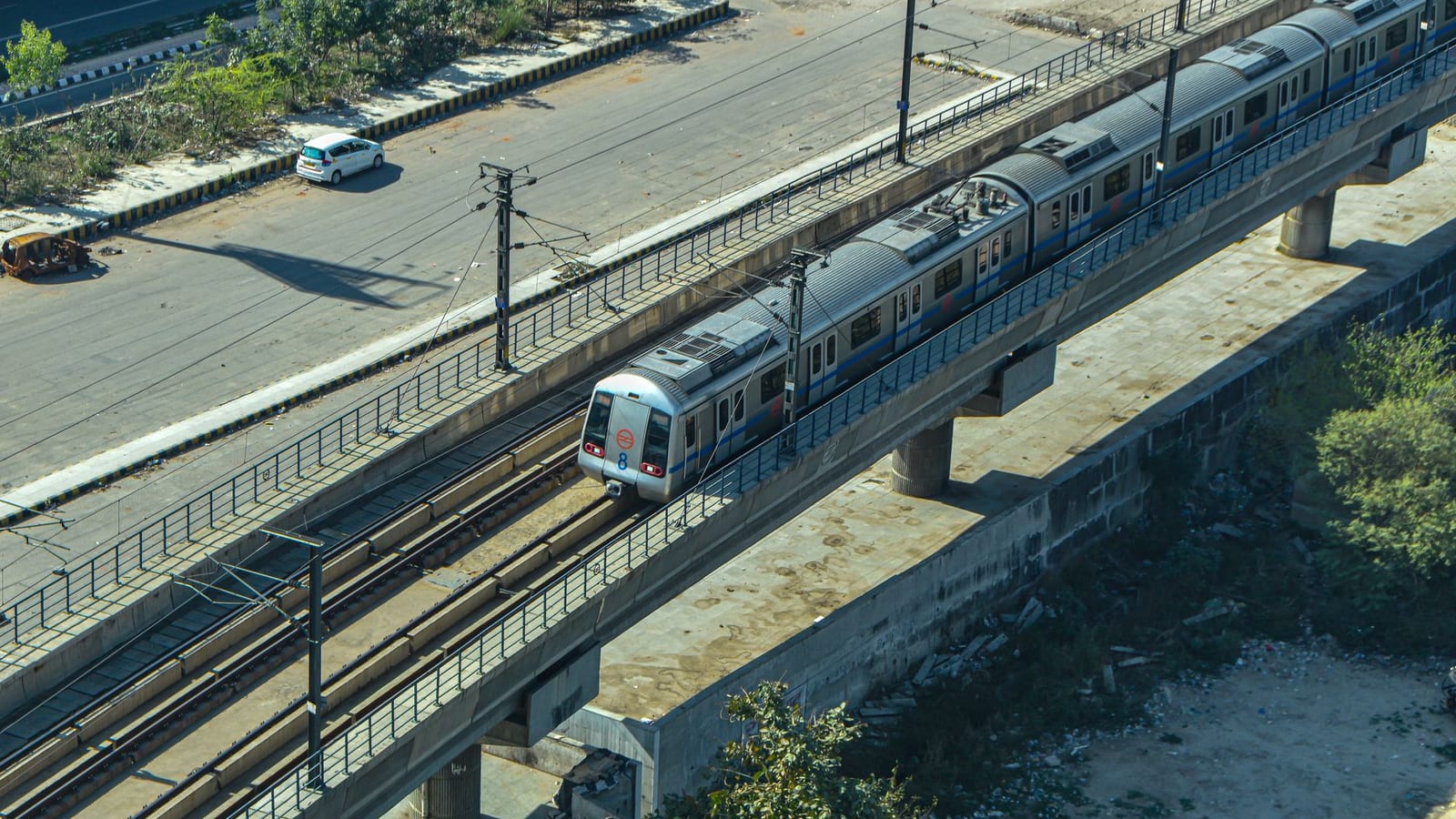
A Pune office-goer may soon have a simpler question before leaving home: car, cab, or Metro?
That choice matters in a city where airport runs, Chandni Chowk traffic, and daily cross-town travel can eat into both patience and earnings. Pune’s latest transport push is not just about new lines on a map. It is about time, fuel, rent, office locations, and how fast the city can keep growing without choking itself.
The latest approvals and civic decisions point to one clear thing. Pune is trying to build for the next decade, while still fighting yesterday’s traffic.
Airport Metro plan gets a push
Union Minister of State Murlidhar Mohol has backed a new Metro route from Kalyani Nagar to Pune Airport. For frequent flyers, airport staff, hotel workers, and business travellers, this could change the daily calculation.
Today, an airport trip in Pune depends too much on traffic luck. A short distance can still take too long at peak hours. For a young professional rushing to catch a morning flight, the last stretch often becomes the most stressful part.
A direct Metro link would make the airport feel like part of the city’s public transport system. That matters for Pune’s services economy. IT employees, startup founders, students, medical travellers, and visiting clients all move through this airport.
But the real test will come in execution. Pune has seen enough infrastructure promises to know that routes are easier to announce than complete. Land, permissions, station design, and last-mile links will decide whether people actually shift from cabs to trains.
Chandni Chowk needs more than roads
Pune Metro will also gain speed on the Vanaz to Chandni Chowk extension. Officials have decided to build a double flyover from the garbage depot side on the extended route.
That detail may sound technical. In plain terms, the city is trying to solve two problems together. It wants the Metro to move smoothly, while road traffic also gets more space.
Chandni Chowk is not just another junction. It is a pressure point for commuters moving between Pune, the Mumbai route, Bavdhan, Kothrud, and the growing western suburbs. Anyone who has been stuck there knows the cost is not abstract.
For businesses, traffic has a cash value. A delayed delivery hurts a supplier. A late employee loses work time. A cab stuck for 40 minutes pushes up costs for everyone. Small firms feel this more sharply than large companies.
The double flyover plan shows Pune’s challenge. The city cannot build only Metro and ignore roads. It also cannot widen roads forever and expect traffic to vanish. A growing city needs both public transport and better traffic flow.
Civic money tells its own story
The Pimpri-Chinchwad Municipal Corporation has collected ₹526.14 crore in property tax in the first three months of the financial year. Its tax collection department called it a record for the period.
That number is more than a civic headline. Property tax pays for the boring things that make cities work. Roads, drainage, streetlights, water systems, and basic services all depend on steady municipal revenue.
The corporation has now turned its attention to defaulters, with seizure action on the table. That is where the politics of urban growth becomes uncomfortable. Cities need money, but many residents also complain about poor services.
For an ordinary flat owner, the question is simple. If tax payment is strict, service delivery should feel strict too. Better collection must show up in cleaner streets, smoother roads, and fewer water complaints.
Businesses will watch this closely. Pimpri-Chinchwad is not just a residential belt. It has factories, suppliers, workshops, showrooms, and service firms. Predictable civic spending can support local business confidence.
At the same time, harsh recovery action can pinch smaller property owners. The civic body will need to balance discipline with fairness. A city cannot run on unpaid dues, but it also cannot treat every delay as wilful default.
Water project exposes growth strain
The Pavana closed pipeline project has again shown how hard urban planning becomes when city needs meet rural anxiety. BJP leaders in Pimpri are pushing for the project to solve Pimpri-Chinchwad’s water problem. BJP leaders in Maval have opposed it.
The project matters because water is now central to Pune region’s growth story. Housing societies, factories, offices, hospitals, and schools cannot function on promises. They need reliable supply every day.
Pimpri-Chinchwad’s demand is easy to understand. The city has grown fast, and water shortages quickly become public anger. For residents, a pipeline is not a policy file. It is the difference between routine life and tanker dependence.
Maval’s resistance also cannot be brushed aside. When water moves from one region to another, people upstream ask who loses out. Farmers and local residents often fear that city needs will outrun village needs.
This is where Maharashtra’s urban future gets tricky. Cities want more homes, more jobs, and more investment. But every expansion needs land, water, power, and roads. Those resources usually come with political friction.
Faster surveys may unlock projects
The Land Records Department has moved to reduce delays in land measurement for central and state infrastructure projects. This sounds like a small administrative step. It is not.
Land measurement is often where large projects slow down. Before a road, Metro, pipeline, or public facility moves ahead, officials must know exactly what land is involved. If that process drags, costs rise and deadlines slip.
For citizens, delays mean half-built roads, diversions, dust, and years of inconvenience. For contractors, delays mean idle equipment and higher bills. For governments, delays mean public anger before the project delivers any benefit.
Speeding up surveys can help, but only if accuracy stays intact. A fast mistake in land records can create years of court disputes. Families and businesses affected by acquisition need clarity, not confusion.
That is the hidden trade-off in infrastructure. Everyone wants faster work. Nobody wants their land wrongly marked or compensation delayed. Good administration must do both: move quickly and record carefully.
Pune’s latest transport, tax, water, and land decisions all point in the same direction. The city is no longer growing at a gentle pace. It is stretching, bargaining, and sometimes stumbling into its next shape. For ordinary people, the promise is shorter commutes and better services. The warning is just as clear: unless execution keeps up, Pune may keep building new routes into the same old congestion.