Pune weighs cloud seeding as dam levels keep falling
Heavy rain around Pune has not eased water worries, with falling dam storage reviving cloud-seeding talk as commuters face monsoon disruption.
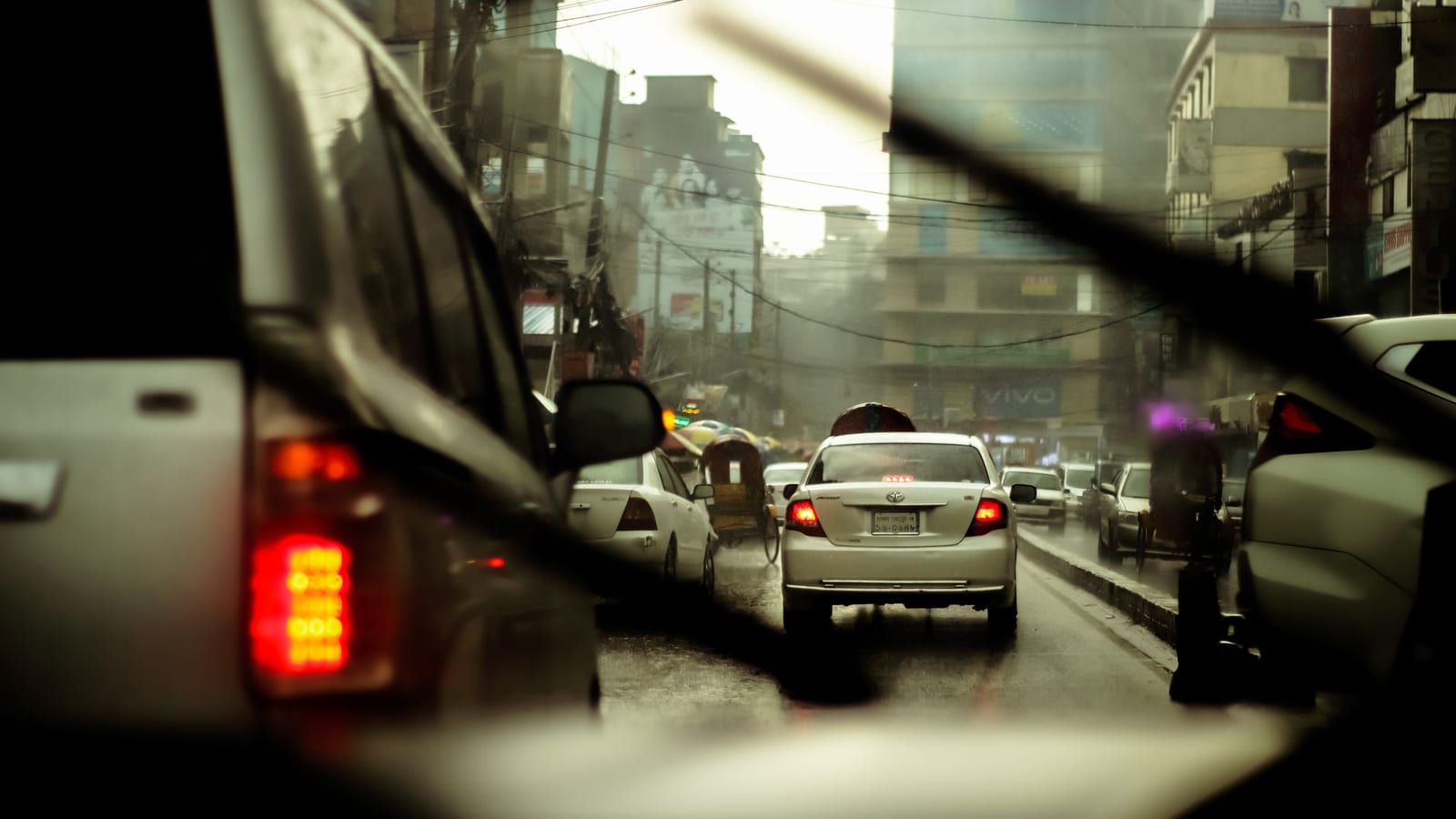
A city can look busy and still feel fragile. Pune showed that on Monday, with heavy rain near the district, falling dam levels in the city’s supply system, transport confusion, and a long-running property dispute all surfacing together.
For families, commuters, small builders, and office workers, these are not separate headlines. They are the daily cost of living in a city that has grown faster than its basic systems.
Pune’s monsoon puzzle deepens
Near Pune, Bhira recorded 407 mm of rain, a striking number even by monsoon standards. Yet the city’s own water anxiety has not vanished.
Civic officials have been watching dam storage carefully, with water levels gradually falling as June ended without the kind of steady rain Pune needs. That is why talk of an artificial rain experiment has returned.
Cloud seeding sounds dramatic, but the idea is simple. Aircraft or rockets release particles into suitable clouds, hoping they trigger rainfall. It does not create clouds from nothing. It only works when nature has already done half the job.
For households, the issue is less scientific and more practical. People want to know whether taps will run, housing societies will need tankers, and small businesses can plan their day without surprise water cuts.
Bike taxi action hits confusion
The transport story is just as messy. A letter from the transport minister on action against illegal bike taxis has reportedly not been found in the Director General of Police office records, based on an RTI response.
That matters because bike taxis sit at the centre of a real urban argument. Riders want cheaper last-mile travel. Auto drivers and taxi unions fear lost income. App firms want clear rules. The state wants control, but the paper trail itself now appears unclear.
For a young professional heading from a metro station to an office park, a bike taxi can mean saving time and money. For a licensed driver paying permits, insurance, and fees, it can feel unfair.
This is where policy cannot remain vague. If Maharashtra wants bike taxis, it must regulate them properly. If it does not, enforcement must be clear, recorded, and consistent. Half-signals help nobody.
Red zone relief still awaits
In Pimpri-Chinchwad, the state government has announced a coordination committee on the city’s red zone issue. The matter affects thousands of residents and about 62,000 properties.
The red zone restrictions have held back development across large pockets of the city. For many families, this is not an abstract planning dispute. It affects whether they can repair, sell, redevelop, or formally use property they already occupy.
For small businesses, property uncertainty also blocks credit. Banks dislike unclear titles and restricted land use. A shop owner or workshop operator may have an asset on paper, but no easy way to raise money against it.
The government’s promise of movement within a month will now face a familiar test. Committees are useful only if they produce decisions that departments actually follow.
Civic services remain stretched
The Pune Municipal Corporation has also extended arrangements for children who missed Sunday’s polio dose. The civic body will run the drive for five more days.
This may sound like routine health administration, but it shows the other side of urban growth. A city with IT parks, premium housing, and expressways still depends on door-level public health work.
Parents who missed the dose now have a second chance. For migrant workers and daily-wage families, such follow-up matters even more, because Sunday campaigns can clash with work, travel, or lack of awareness.
The same city is also dealing with exam protests, crime cases, road accidents, and civic pressure. Each item pulls on government capacity. Each one also reminds us that Pune’s growth story rests on ordinary systems doing their job.
Highway risk and worker loss
The Pune-Nashik highway accident near Narayangaon underlined another hidden business cost. An IT engineer died after a car hit three vehicles, while seven people were injured, including four women.
Road deaths rarely enter balance sheets, but they hurt the economy deeply. Families lose earners. Companies lose trained workers. Hospitals, police, insurers, and courts all enter the picture after one bad crash.
Pune’s economy depends heavily on daily movement across highways, industrial belts, and nearby towns. Safer roads are not just a public welfare demand. They are basic economic infrastructure.
That is the larger message from Pune’s crowded news day. Rainfall, water supply, transport rules, health drives, property restrictions, and road safety may look like separate files. For ordinary people, they form one lived reality: whether the city lets them work, travel, build, and raise a family with some confidence.
Pune does not need only more growth. It needs growth that can breathe. The next few weeks will show whether the monsoon, the state, and the city’s own institutions can give residents that breathing room.