Tilekar Targets Event Businesses Using Swami Imagery
Mahesh Tilekar questions paid religious performances at private barse ceremonies, saying devotion should not become content or commerce.
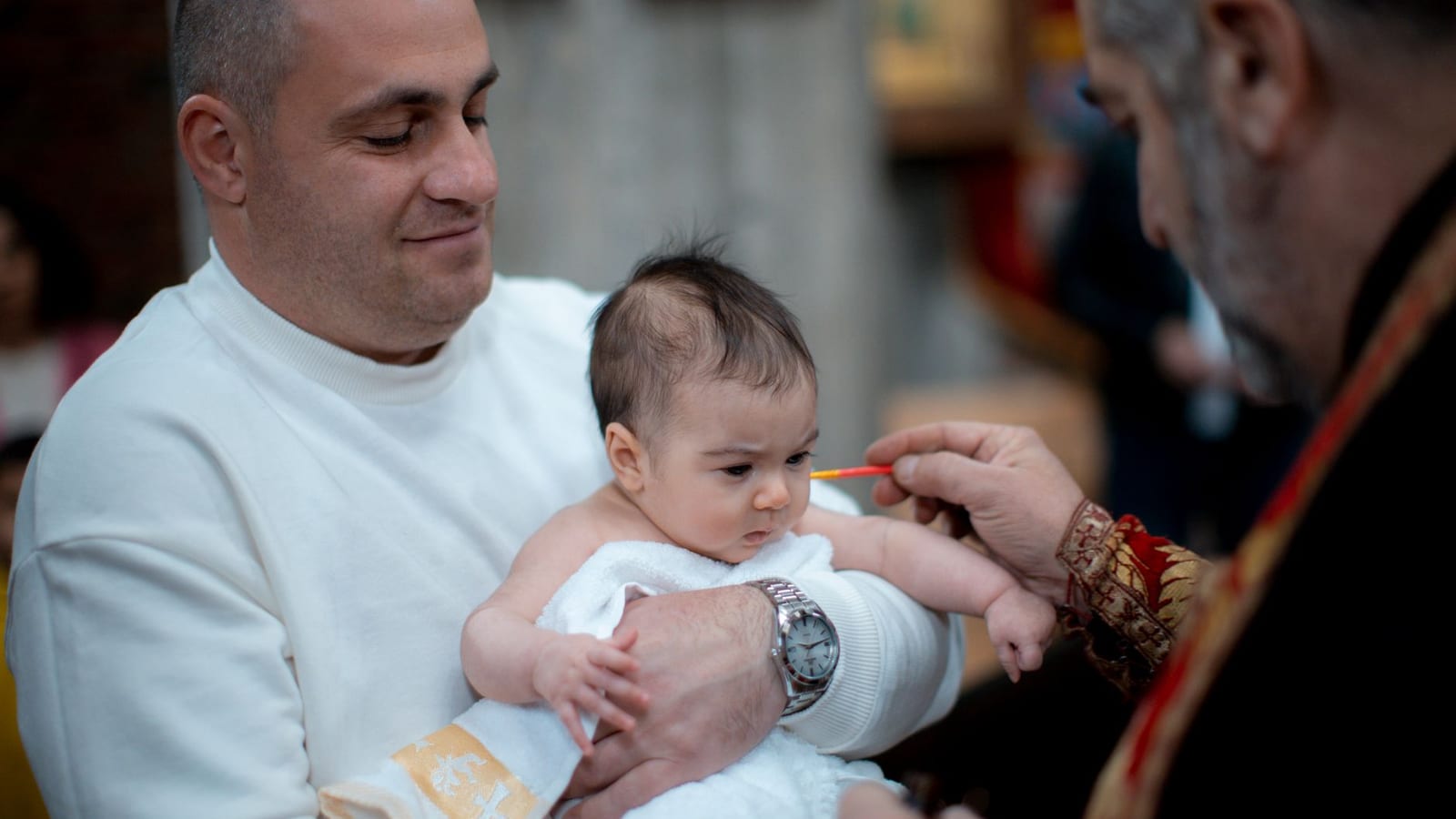
A baby’s naming ceremony should feel tender, not like a stage-managed religious package with costumes, cameras, and cash counters nearby.
That is the unease filmmaker Mahesh Tilekar has now put into plain words. He has questioned the growing business around devotion, especially videos where performers dress as saints and enter private rituals.
Tilekar’s point is simple, and uncomfortable. Faith can comfort people. But once faith becomes content, event work, and paid performance, someone always starts asking what exactly is being sold.
Tilekar questions paid devotion
Tilekar said every person has the right to worship Swami Samarth in their own way. His objection is not to devotion itself.
His problem begins when people turn that devotion into a marketplace. He said some people use religious emotion to create earning opportunities, and that troubles him.
He spoke about videos where a performer dressed as Swami appears at a child’s naming ceremony. In Maharashtra, this ceremony is called a barse.
For a family, a barse is an intimate moment. Relatives gather, the baby gets a name, and blessings matter deeply. When a saint’s image enters that space as paid spectacle, Tilekar said he feels disturbed.
He also described seeing an artiste dressed as Swami making odd hand gestures. His reaction was sharp. He felt the performance crossed a line.
That line matters because religious imagery carries emotional weight. A costume here is not just a costume. It borrows trust from people’s faith.
Where performance crosses belief
India has always mixed faith and performance. Kirtans, bhajans, yatras, mythological plays, devotional films, and temple festivals have shaped public culture for generations.
Tilekar himself did not reject artistic portrayal. He pointed to Sudhir Dalvi’s portrayal of Sai Baba in cinema as a different matter.
That distinction is important. A film tells viewers they are watching a performance. A public or private ritual can blur that boundary.
When someone arrives at a real ceremony dressed as a saint, the mood changes. Some people may see theatre. Others may feel they are receiving a holy presence.
That emotional confusion has business value. Event organisers, performers, video makers, and social media pages can all benefit from it.
This is not only about one saint or one community. Across India, religious symbols now travel through reels, event packages, merchandise, stage shows, and influencer-style devotion.
Some of it is harmless. Some of it supports artists and small workers. But Tilekar’s warning points to the grey zone, where reverence becomes a product.
The business behind bhakti
The word “commercialisation” sounds heavy. In simple terms, it means turning something people value into something people can sell.
Faith has always had an economy around it. Temple towns support flower sellers, transport workers, food stalls, lodges, priests, musicians, photographers, and guides.
That ecosystem is not automatically wrong. For many families, it provides honest income. For pilgrims, it offers services they actually need.
The trouble begins when sellers use belief itself as the product. Then the question changes from “What service is being offered?” to “Is someone selling divine access?”
That is the tension Tilekar has tapped into. A person can pay for music, decoration, travel, food, or a hall. But paying for the feeling that a saint has personally arrived is more complicated.
Social media has made this sharper. A ritual once seen by 40 relatives can now become a viral clip.
That gives performers and organisers a fresh incentive. The more dramatic the act, the more attention it gets. The more attention it gets, the easier it becomes to sell the next performance.
For ordinary devotees, this creates pressure too. A family may start feeling that a simple ceremony looks incomplete. That is how markets quietly enter private life.
Akkalkot experience shaped his view
Tilekar also shared an experience from Akkalkot, a major centre of Swami Samarth devotion. He said people connected with the annachhatra there invited him to hold his Marathi Taraka show.
The show usually includes dance. Tilekar said he first hesitated because of the devotional setting.
He later agreed, but only after choosing songs that suited the place. The artists stayed at the bhakta niwas, the pilgrims’ lodging, and ate at the annachhatra.
That detail explains his position better than any slogan. He is not arguing that art must stay away from faith. He is saying art must understand where it is standing.
There is a difference between performing near a shrine with care, and using a saint’s appearance as an event gimmick.
Tilekar said he felt satisfied that the show happened at Swami’s doorstep. That satisfaction came from restraint, not from spectacle.
That is a useful word here: restraint. Indian public life often forgets it, especially when religion, money, and cameras meet.
Why this debate matters now
Tilekar is known for films such as Ladi Godi, One Room Kitchen, Aadhar, and Hawahawai. But this comment has travelled beyond cinema because it touches a larger anxiety.
Many Indians are religious, but they also recognise excess when they see it. They know the difference between devotion and display.
A shopkeeper near a temple, a singer at a bhajan event, or a cook at an annachhatra may all earn through faith-linked work. That work can be dignified.
But a market that feeds on insecurity is different. It tells people their prayer needs packaging, their ritual needs spectacle, and their faith needs a paid upgrade.
That is where families can lose both money and simplicity. A ceremony meant for blessing becomes another expense to prove status.
Tilekar’s comments will not settle this debate. They may even anger people who see these performances as devotion.
But his challenge deserves attention. A society can respect faith and still question those who profit from its emotional power.
The real test is not whether devotion has money around it. It always will. The test is whether the money serves people’s faith, or quietly starts controlling it.