June Rout Pulls Gold Under $4,000 as Buyers Reassess
Gold fell below $4,000 an ounce after a 12% June slide, forcing Indian jewellery buyers, ETF investors and savers to reassess exposure.
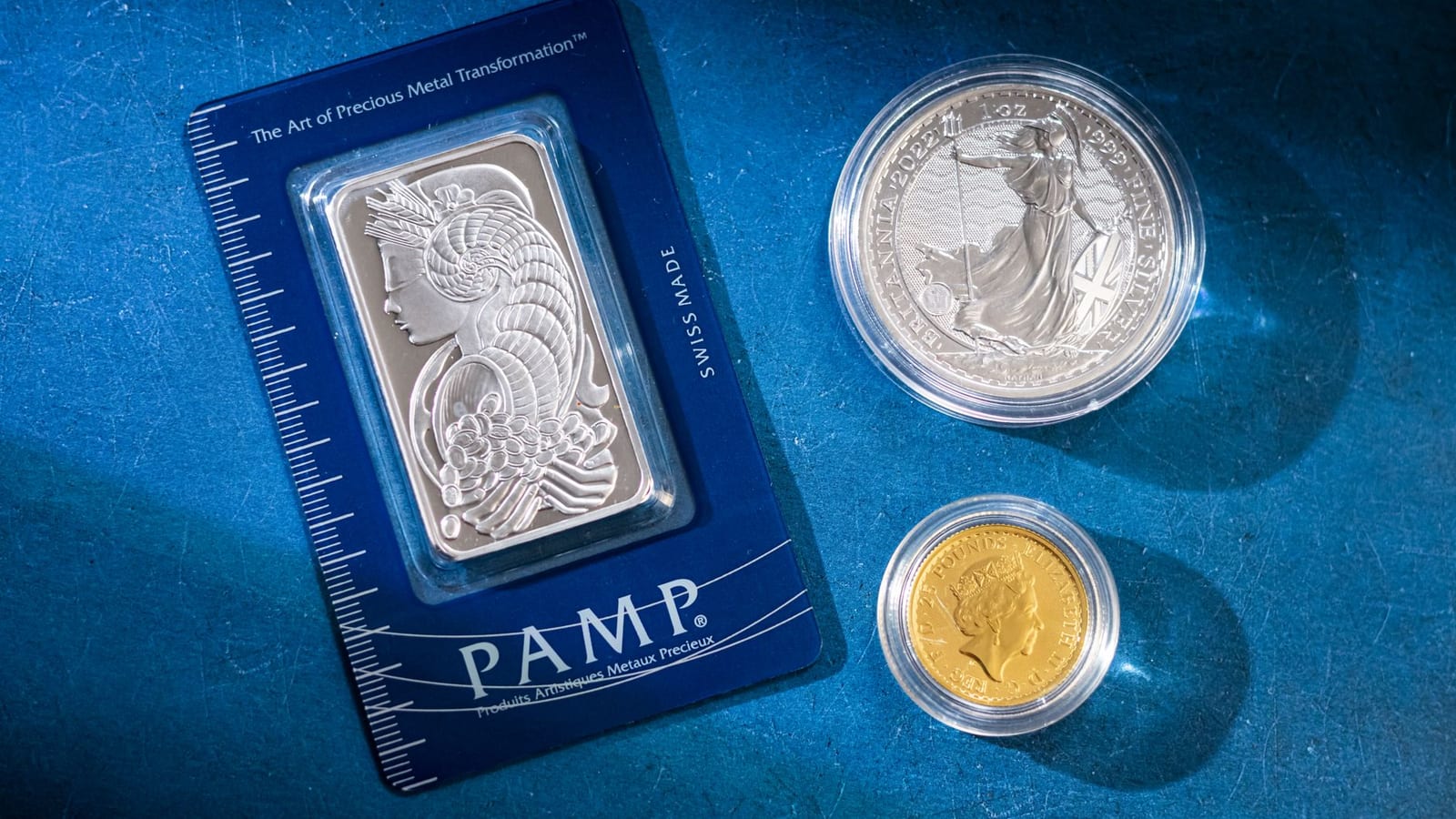
Gold has slipped below $4,000 an ounce, and that is not just a trader’s headache.
For Indian families, this matters at the jewellery counter, in gold ETFs, and in the locker. A 12 percent fall in June means a ₹5 lakh gold holding, if fully tied to global prices, would be down about ₹60,000 before currency effects.
The strange part is this: gold still sits higher than a year ago. So investors are not looking at a collapse. They are looking at a sharp reality check.
Gold loses its safe-haven shine
Spot gold fell 0.8 percent to $3,974.75 an ounce on Wednesday morning GMT. It had touched $3,942.99 in the previous session, its weakest level since last November.
US gold futures for August delivery dropped 1.3 percent to $3,987.70 an ounce. That matters because futures often show where larger traders expect prices to settle.
The bigger picture looks more bruising. Gold fell 12 percent in June, its steepest monthly fall since October 2008. Back then, the world was in the grip of the financial crisis.
Over three months, gold has dropped about 20 percent. Over six months, it is down more than 8 percent. Yet over one year, it still remains around 20 percent higher.
That mix explains the confusion among retail investors. Long-term buyers still see profits. Recent entrants, especially those who bought near the top, now feel the heat.
Why rates are hurting bullion
The main pressure comes from the Federal Reserve, US bond yields, and the dollar.
Gold pays no interest. So when US government bonds offer higher returns, large investors often move money there. It is a simple choice between holding shiny metal and earning steady income.
The US 10-year Treasury yield rose to 4.465 percent on Wednesday. It had already jumped sharply the previous day. For global funds, that makes bonds more attractive.
The dollar also strengthened against major currencies. A stronger dollar makes gold costlier for buyers using other currencies. That usually cools demand.
The CME FedWatch Tool now shows traders see about a 67 percent chance of a US rate hike by September. That is the number gold traders are watching closely.
If US rates rise again, gold may face more pressure. If jobs data weakens and rate expectations ease, gold could find some support.
Iran tensions add a twist
Normally, war fears help gold. Investors rush to it when the world looks unsafe. This time, the story has turned more complicated.
Tensions around the US-Iran conflict have pushed oil prices higher. Costlier oil can feed inflation, because transport, fuel, and many goods become more expensive.
That gives the Federal Reserve another reason to keep rates high, or raise them further. So the same geopolitical fear that should help gold is also hurting it.
Iran has signalled it will not meet senior US envoys visiting the region. A Qatari official also indicated that high-level talks may not happen soon.
That reduces hopes of a quick cooling-off. Oil traders react first, bond traders follow, and gold gets caught in between.
For Indian households, this chain is easy to miss. A flare-up in West Asia can raise crude prices. That can pressure the rupee, fuel prices, and imported inflation.
Rupee may cushion Indian prices
For Indian buyers, global gold prices tell only half the story. The rupee decides the other half.
Tata Mutual Fund said rupee depreciation could limit the fall in domestic gold prices. In plain English, a weaker rupee can make imported gold costlier in India.
So even if gold falls in dollars, Indian prices may not drop as much. That is why local jewellery prices often feel stubborn.
The fund house expects near-term consolidation, with pressure from rate hike worries, a stronger dollar, and high bond yields. It also sees short-term swings of about 5 percent around geopolitical news.
For a family planning wedding purchases, that means prices may move quickly both ways. Waiting may help, but timing the perfect bottom rarely works.
For investors using gold ETFs or sovereign gold bonds, the question is different. They must decide whether gold is insurance, a trade, or a long-term allocation.
Analysts see volatile weeks ahead
Renisha Chainani, head of research at Augmont, said gold has broken the key $4,000 level. She sees a confirmed breakdown opening room toward $3,600.
At the same time, she said oversold conditions may trigger a bounce. Gold could recover toward $4,100 or $4,165 if traders cover short positions.
That sounds technical, but the idea is simple. When prices fall too fast, sellers sometimes pause. Buyers then step in for a short-term rebound.
The next clues will come from US jobs data. The ADP employment report and nonfarm payroll numbers can influence rate expectations.
Strong jobs data may support another rate hike. Weak data may soften that view. Gold will react to that shift almost instantly.
For Indian retail investors, the lesson is old but useful. Gold works best as a cushion, not as a quick-profit bet. When everyone treats it like a one-way trade, the correction often feels brutal.
The next few weeks will test patience. If rates stay high and the dollar remains firm, gold may struggle. But if inflation fears ease or the Fed turns softer, buyers may return. For ordinary Indians, the smarter move is to treat this fall as a reminder, not a panic signal. Gold still has a place in savings, but it should not carry the whole locker.