Kyiv Under Russian Air Attack as Defences Open Fire
Air defences fired over Kyiv during an overnight Russian attack as officials reported a rooftop fire and warned residents to stay in shelters.
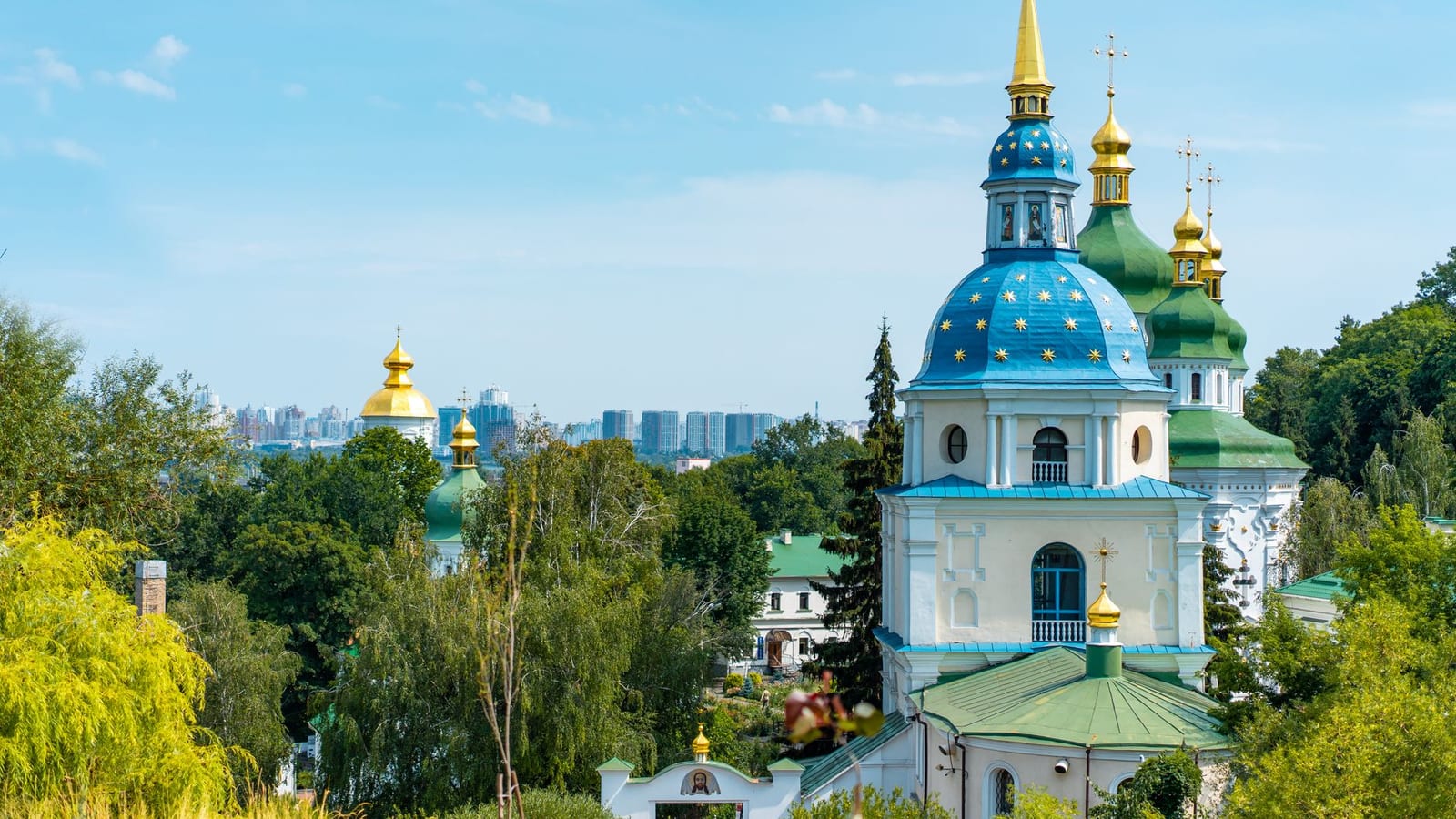
A rooftop fire in central Kyiv told its own story on Wednesday night. Even away from the front line, Ukrainians still live by the sound of sirens, explosions and hurried messages telling them to stay underground.
The city’s air defences opened fire during a Russian attack, while residents were told to remain in shelters. Mayor Vitali Klitschko said the roof of a three-storey non-residential building had caught fire in the Shevchenkivskyi district.
For India, this is not some distant European tragedy anymore. The war now touches energy prices, defence technology, global alignments and even petrol flows between India and Russia.
Kyiv braces for another night
The attack came after Ukrainian officials warned of a possible large Russian strike. President Volodymyr Zelensky said Ukraine’s intelligence services had picked up signs of a fresh massive attack.
Zelensky, speaking during a visit to Dublin, urged Ukrainians to remain careful. He said Russia now launches large attacks about twice a week, using hundreds of drones and many missiles.
That phrase, “twice a week”, matters. It shows how war has become a grim routine. For people in Kyiv, the night no longer means rest. It means checking alerts, finding shelter, charging phones and waiting.
Officials said Russian attack drones had entered Ukrainian airspace earlier in the evening. Alerts sounded across several regions. Ten Russian bombers, capable of carrying cruise missiles, were also reported in flight.
Ukraine’s air defence response has become central to daily survival. It does not stop every strike. But each successful interception can mean one less apartment block, power station or school hit.
A war of drones and endurance
This war has entered a phase where drones shape the battlefield and the home front. Cheap machines now force costly responses. A drone worth a fraction of a missile can still shut down a city.
Ukrainian officials say Russian long-range drone and missile attacks dropped in June compared with May. But that does not mean the danger has passed. A lower number can still mean thousands of drones.
Kiev’s figures put Russian long-range drone launches in June at 5,749. Missile launches stood at 180. Those numbers were lower than May, but still brutal for any civilian population.
Ukraine has also pushed the fight deeper into Russia. Zelensky said Ukrainian forces hit the Ufa oil refinery for the second time in a week. The refinery lies more than 1,500 kilometres from Ukraine’s border.
That distance is the real message. Russia once treated its own rear areas as largely protected. Ukraine is now showing that energy sites far inside Russia can be reached.
For Moscow, this creates a new headache. It must defend oil infrastructure, supply lines and military sites across a huge country. That stretches money, manpower and air defence systems.
For ordinary Russians, the war is also entering petrol pumps. Reports from inside Russia point to shortages, rationing, long queues and record petrol prices across several time zones.
The human bill keeps rising
A new American strategic study has put the military toll above two million casualties. That includes killed, wounded and missing soldiers from both sides since Russia’s 2022 invasion.
The study estimates Russia has suffered around 1.4 million military casualties. It puts Russian deaths between 400,000 and 450,000. Ukraine’s military deaths are estimated at 125,000.
These numbers are not just battlefield data. Behind each figure sits a family, a workplace, a village, a pensioner parent, a child growing up with absence.
Ukraine’s wounded count is estimated between 525,000 and 625,000 soldiers. That means a long medical burden, even if the shooting stopped tomorrow. War does not end when a soldier leaves the front.
Russia still holds more population depth than Ukraine. That gives Moscow room to absorb losses in a cold strategic sense. But political systems also have limits, even when they hide grief well.
Ukraine faces a different pressure. It must keep enough trained soldiers in the field while also keeping its economy and society alive. That is a harder balance than outsiders often admit.
Defence industry gets battle-tested
Ukraine is now trying to turn battlefield experience into industrial strength. Its government plans to let partner countries buy Ukrainian weapons under a new mechanism.
The system will apply to partners in its Drone Deal programme. They can buy Ukrainian equipment and work directly with manufacturers. Export requests should be reviewed within 30 days.
Ukraine says its own military needs will come first. If the army needs a system, export approval can be refused. That is common sense in wartime.
The high-tech part of Ukraine’s defence industry reached about $6.8 billion in 2025, according to the Kyiv School of Economics. The real number may be higher.
This is where India should pay attention. Ukraine is not just asking for weapons now. It is selling lessons from a live battlefield, especially in drones, electronic warfare and fast design cycles.
Airbus Defence and Space has signed an agreement with Brave1, Ukraine’s defence innovation platform. The partnership will test new military technologies close to battlefield conditions.
Brave1 officials say Ukraine’s research cycles now move in days, not months or years. That sounds dramatic, but war often compresses innovation. Soldiers test, complain, modify and return systems quickly.
For Indian defence planners, that is a useful lesson. Procurement cannot always move at file-pushing speed when technology changes every season. Drones, jammers and battlefield software age quickly.
Why India cannot look away
India has walked a careful line since the war began. It buys Russian oil, speaks to Moscow, engages Kyiv and keeps its Western partnerships active. That balance has helped New Delhi protect its interests.
But the war keeps changing the cost of that balance. Russia’s energy troubles now include reports of petrol purchases from India. That flips the old assumption that India only depends on Russian fuel.
The broader lesson is simple. Energy markets are no longer one-way streets. Sanctions, refinery damage and wartime shortages can create strange supply loops.
India also has defence ties with Russia that go back decades. Yet the Ukraine war has exposed weaknesses in older military thinking. Tanks, artillery and aircraft still matter, but drones now crowd the sky.
Western Europe is also moving. Germany wants to produce American weapons on its own soil. Airbus is working with Ukrainian innovators. Defence industrial policy has returned to the centre of politics.
India cannot afford to watch this as a spectator. The next conflict in Asia may also involve drones, missiles, cyber tools, satellites and attacks on energy infrastructure.
For Indian households, the link may look indirect. But wars travel through petrol prices, food costs, shipping routes and government budgets. A strike on a refinery far away can still pinch a monthly bill here.
Kyiv’s burning rooftop is one frame in a long war. The larger picture is a world learning that distance offers less protection than before. For India, the sensible response is neither panic nor moral laziness. It is hard-headed preparation, sharper diplomacy and a clear eye on how tomorrow’s wars are already being tested today.