Delhi Monsoon Delay Puts North India Travel on Alert
Delayed Delhi rains and hill alerts in Uttarakhand and Himachal Pradesh are reshaping weekend plans, pilgrim routes and commutes across north India.
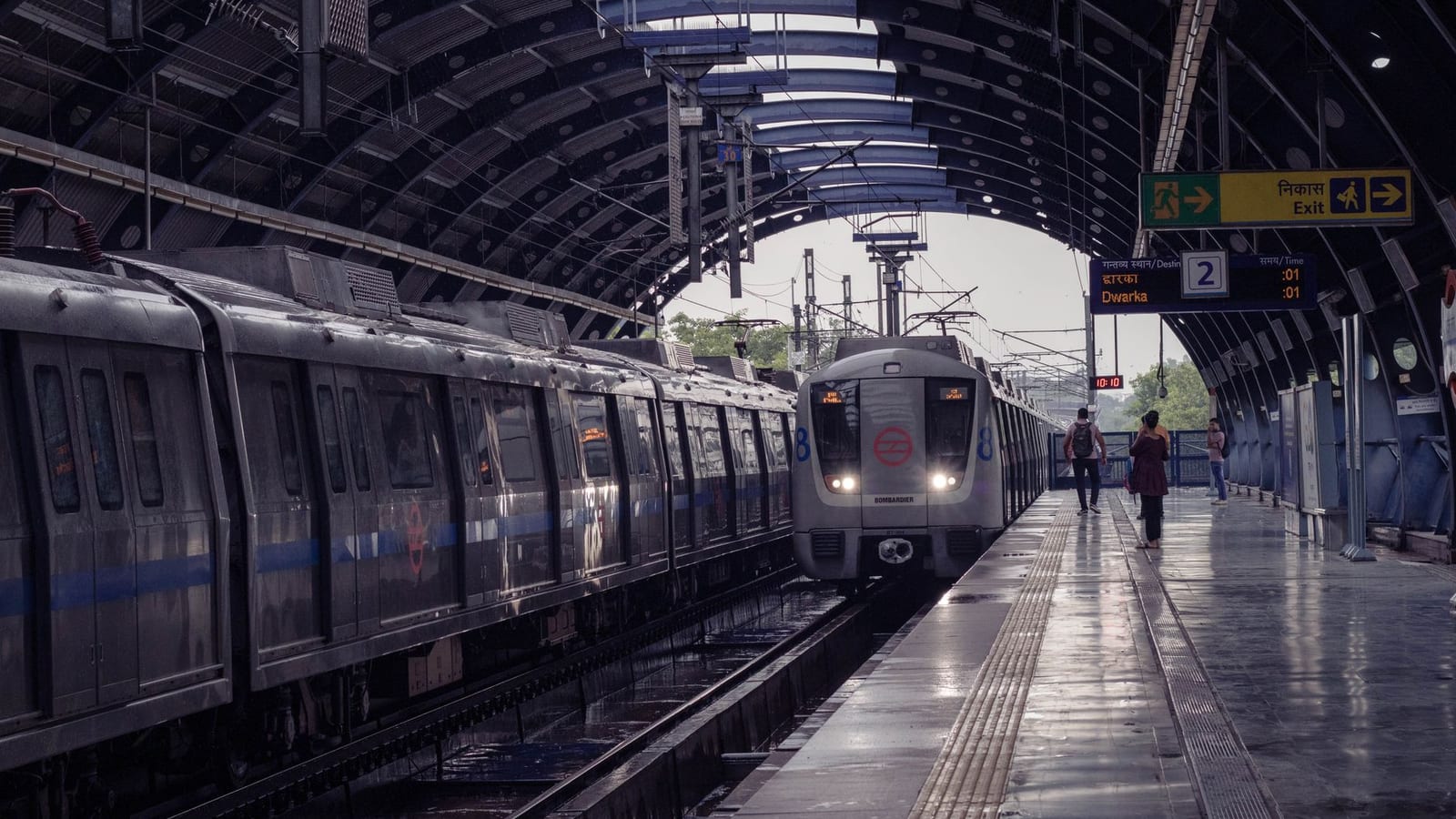
The monsoon is no longer just a weather update. It is now changing weekend plans, pilgrim routes, office commutes, and holiday budgets across north India.
From Delhi’s delayed showers to hill alerts in Uttarakhand and Himachal Pradesh, July has opened with a familiar Indian anxiety. Everyone wants rain, but nobody wants to be caught in the wrong place when it arrives.
For families planning temple trips, workers travelling home, or city residents waiting for cooler evenings, this monsoon comes with a clear message. Check the sky, but also check the roads.
Delhi waits for delayed rain
The IMD has indicated that Delhi may see the monsoon arrive within 48 hours. That sounds routine, but this year’s timing has drawn attention because the city is staring at its latest monsoon entry in five years.
For Delhi residents, that delay matters. Heat does not end just because the calendar says July. Power bills stay high, water demand rises, and even short walks feel tiring.
The forecast suggests rain may continue till July 7. That could bring relief, but also the usual urban mess. Waterlogging, traffic snarls, late metro feeders, and cab surges often follow the first serious spell.
The monsoon in Delhi always exposes the same truth. The city loves the first rain for ten minutes, then spends hours negotiating drains, diversions, and flooded service roads.
Hill travel turns uncertain
The sharper concern sits in the hills. In Uttarakhand, authorities have warned of heavy weather over three days. Alerts are being sent through SMS, and a mock drill has also been planned.
At Kedarnath dham, the weather risk has already affected movement. Heli services have been suspended, and rescue teams have been placed on alert.
For pilgrims, this changes the mood of the journey. A yatra is rarely just travel. Families plan leave, save money, book rooms, and carry emotional expectations.
But mountain weather does not care for bookings. A clear morning can turn dangerous by afternoon. In the Himalayas, rain can mean landslides, blocked roads, and sudden delays.
The Kailash Mansarovar route has also begun with restrictions. Pilgrims will not be allowed to take a dip in the lake, after China barred it. That removes one deeply symbolic part of the journey.
For many devotees, the route itself still matters. Yet small changes in ritual can feel large when people have waited years for a pilgrimage.
Himachal faces early damage
Himachal Pradesh has already seen the harsher side of the season. Heavy rain warnings followed reports of a cloudburst in Lahaul, with several roads closed.
Reports from the state also point to landslides, shut roads, and power disruptions. In one update, 254 transformers were reported affected. That means power cuts for homes, shops, and small stays that depend on tourists.
The state has also seen serious damage before the full monsoon settled in. Rain and storms ahead of the season reportedly claimed 128 lives.
That number should make holiday travellers pause. Hill tourism has changed in recent years. More people drive up for short breaks, chase snowfall, or book homestays at the last minute.
But the hills are not a theme park. Narrow roads, loose slopes, and sudden rain create risks that city drivers often underestimate.
For local businesses, this is a hard balance. Cafes, guest houses, taxi operators, guides, and small shopkeepers depend on the travel season. Bad weather keeps tourists away, but reckless travel puts everyone in danger.
Roads, rain and daily life
The monsoon story is not only about mountains. Uttar Pradesh has also seen rain alerts across 29 districts. The state is watching heavy showers over the next couple of days.
At the same time, road infrastructure remains central to everyday life. The Lucknow-Kanpur Expressway is scheduled for inauguration on July 13. The promised travel time is about one hour.
The Kanpur-Kabrai greenfield highway has also received approval. The 117 km stretch is expected to cut travel to around one and a half hours.
These projects show how strongly modern life now depends on faster roads. A shorter journey can help students, traders, patients, and office workers. It can also change where people choose to live.
But rain tests roads faster than speeches do. A new highway wins trust only when it drains properly, has clear signs, and stays safe in bad weather.
Rajasthan offered a grim reminder of that. After a bus-trailer collision, reports pointed to poor lighting and weak signage at the spot. Eight lives were lost in that crash.
For ordinary travellers, this is the most practical question. Not how wide a road is, but whether it guides people safely at night and during rain.
A season of small adjustments
Across north India, the monsoon is forcing small lifestyle changes. People delay road trips, rethink pilgrimages, move weddings indoors, and keep an eye on school messages.
A young professional with a home loan worries about seepage. A small hotel owner in the hills watches cancellations. A daily commuter in Delhi calculates whether one shower will ruin the evening ride home.
These are not dramatic changes, but they shape daily life. The monsoon has always been emotional in India. It brings romance, relief, crops, tea, pakoras, and childhood memories.
It also brings risk. That risk is rising as more Indians travel more often, build closer to fragile slopes, and expect roads to behave like all-weather corridors.
This July, the sensible Indian routine is changing. Rain is welcome, but plans need more room. The season ahead will reward patience, better alerts, and less bravado on the road.