Shraddha Srinath Calls Out Moral Policing On Reel
Shraddha Srinath responded with dry wit after an Instagram song reel drew comments about her outfit and unmarried status, shifting focus to online
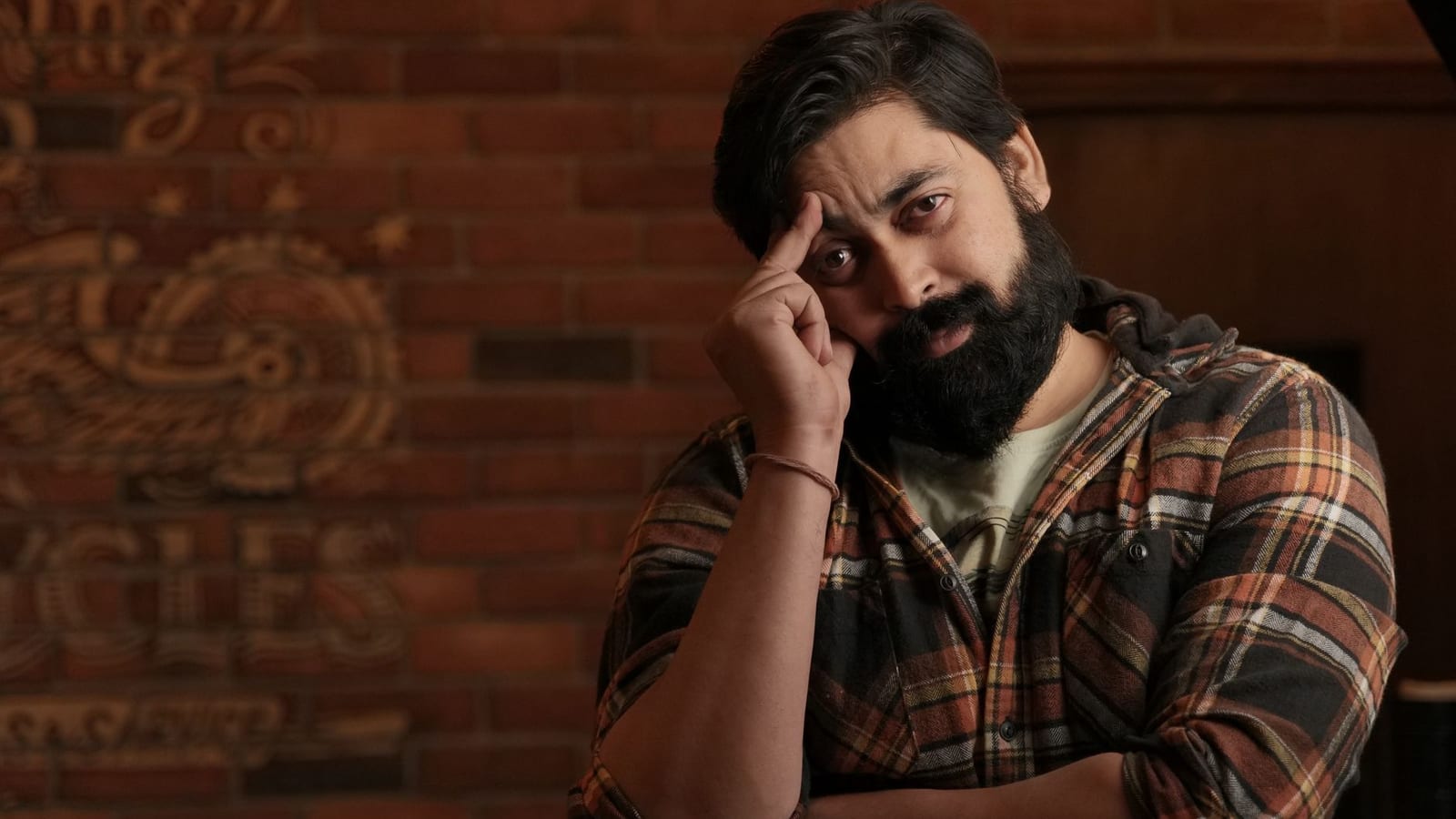
Shraddha Srinath posted a song. The internet, naturally, tried to turn it into a family meeting.
The actor had shared a reel on Instagram, singing “Tere Paas Mein” from the recently released film “Mem Vapas Aaunga”. Many fans praised her voice. Then came the usual free advice, this time about her clothes and her unmarried life.
Shraddha did not let it pass. She answered the moral policing with the kind of dry wit that travels faster online than most film promotions.
A song reel becomes a sermon
The reel itself was simple. Shraddha sang a track she clearly loved. In the caption, she said she would watch the film many more times, just to cry to the song again.
That is a familiar Indian internet moment now. A woman posts talent. Strangers discuss her wardrobe. A celebrity shares joy. Someone appoints himself guardian of “values”.
One commenter told her she sang well, but claimed her outfit did not suit the song. Shraddha replied that he could take such complaints to the nearest municipal office.
That one line did the job. It did not sound angry. It sounded tired, amused, and completely unwilling to perform politeness for nonsense.
Marriage advice meets a comeback
Another user moved from clothing to marriage, because the online moral-policing syllabus has limited chapters.
The commenter told Shraddha that life was precious and she should not waste it. He then advised her to marry a man first, and enjoy her future life after that.
Shraddha’s reply was sharper. She told him to get married first, and then she would consider it.
It worked because it exposed the absurdity of the comment. The advice had nothing to do with her song, her work, or her life. It was a stranger treating a woman’s personal choices like public property.
For many Indian women online, that pattern will feel painfully familiar. Clothes, age, marriage, motherhood, and “settling down” become open topics. Talent often gets pushed into the corner.
Why this struck a chord
The reaction grew because Shraddha did what many public figures usually avoid. She answered back.
Most celebrities ignore such comments. That makes sense. Social media rewards provocation, and silence can be a survival tool. But silence also lets moral policing look normal.
Shraddha’s replies landed because they felt casual, not staged. She did not post a long note. She did not dress up the issue in heavy language. She just refused to accept the scolding tone.
That is why the moment felt bigger than one reel. It touched a wider shift in urban Indian culture, especially among younger women.
Many women now push back against the old script. They do not want every public appearance judged by “modesty”. They do not want marriage treated like a correction course. They also do not want praise that comes with conditions.
This is not only about film stars. A young professional in Bengaluru, a creator in Kochi, or a student in Pune sees the same thing at smaller scale. The platform changes, but the policing sounds the same.
Industry friends back her voice
The reel also drew warmth from the film industry. Actor Simran Choudhary called the singing beautiful. Director Ravikanth Perepu praised it too.
Mrunal Thakur responded with a heart emoji. Aditi Rao Hydari and Ali Fazal also showed support with heart emojis.
That matters in a small but visible way. Online trolling often tries to isolate women. Public support from peers changes the mood around the post.
It brings the focus back to what Shraddha shared in the first place, her singing. She is known primarily as an actor, but the reel showed another side of her screen personality.
In Indian cinema, that matters more than people admit. Audiences now follow actors beyond films. They watch their reels, interviews, music tastes, travel photos, and political silences. A public personality gets built in fragments.
Shraddha’s reel added one more fragment. She can sing. She has a sense of humour. And she knows when not to indulge silly lectures.
The old gaze is losing patience
The larger story here sits inside a familiar Indian contradiction. Audiences want women stars to be expressive, stylish, funny, and available online. Then some viewers punish them for being exactly that.
A woman celebrity’s body still attracts committee-level debate. Her marital status becomes a public notice board. Her comments section turns into an uncle colony, with unsolicited guidance arriving hourly.
But the patience for such behaviour has thinned. The old “ignore it” model no longer feels enough to many public women. A quick comeback now works as both defence and signal.
It tells fans that the boundary exists. It tells trolls that mockery can travel both ways. It also tells younger followers that obedience is not the price of being liked.
This is where Shraddha’s reply fits modern celebrity culture. It was not a grand feminist speech. It was lighter, and perhaps more effective for that reason.
Indian audiences often respond better to wit than sermons. A joke can puncture authority faster than an argument. Shraddha used that well.
Her replies also show how celebrity image has changed. Earlier, stars guarded mystery. Today, relatability matters. A smart comment under a reel can shape public affection as much as a film promotion.
For ordinary readers, the lesson is simple. The internet gives everyone a microphone, but not everyone deserves a chair in someone else’s life. Shraddha posted a song, and the noise around it revealed something larger. Indian women, famous or not, are increasingly done smiling through advice they never asked for.