Doha confusion clouds US-Iran nuclear deal deadline
Mixed signals over Qatar talks deepen uncertainty around a US-Iran nuclear deal as Hormuz risks keep oil, airfare and travel costs in focus.
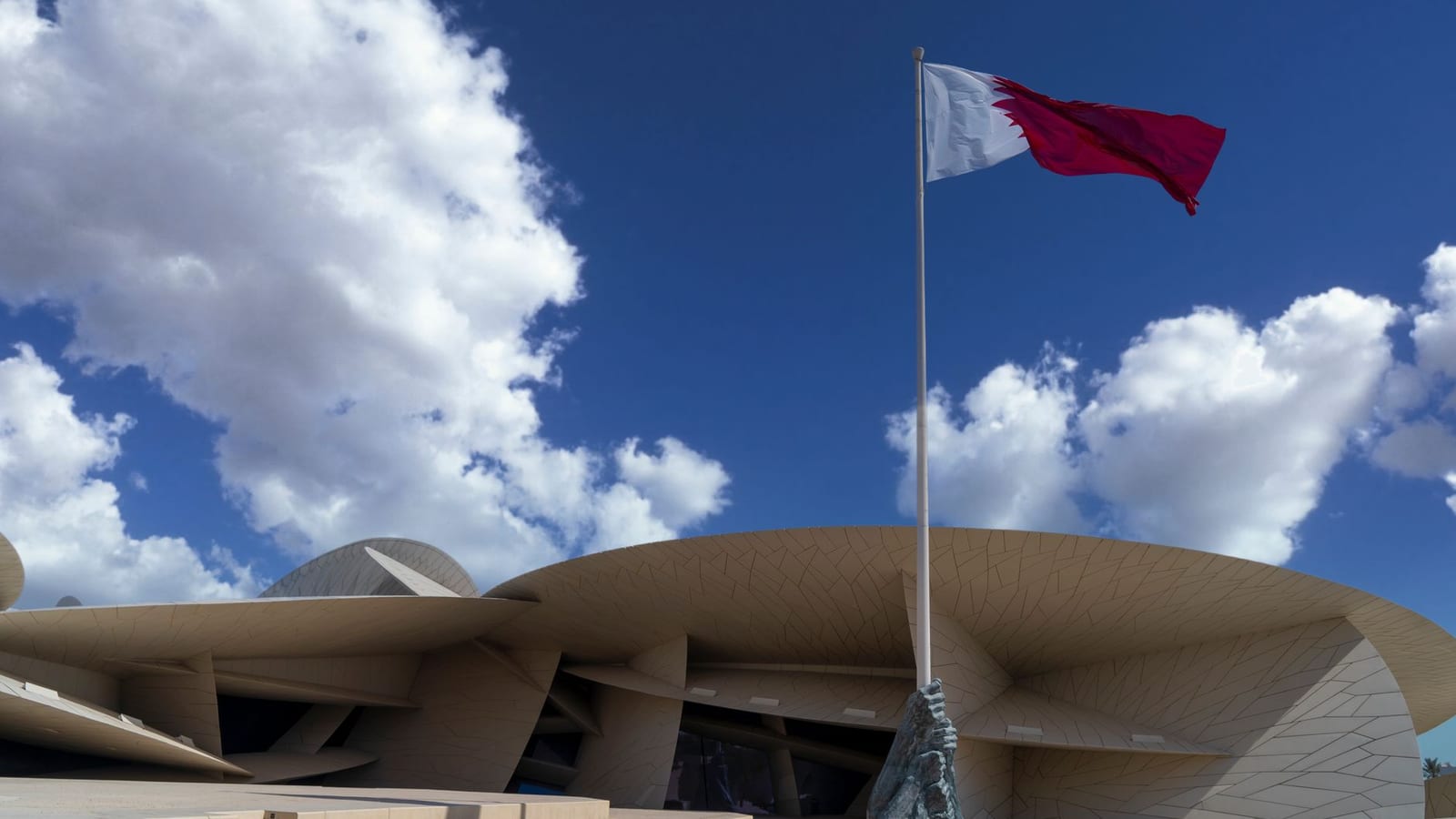
For an Indian family planning an overseas summer break, the Strait of Hormuz may sound far away. But if ships slow down there, airfares, fuel bills, and hotel costs can feel the pinch back home.
That is why the latest US-Iran standoff matters beyond diplomats and war rooms. It sits on a narrow sea lane, a nuclear dispute, and a fragile pause in fighting.
The United States and Iran now face a rough mid-August deadline for a permanent deal. Yet even the next meeting has become a matter of argument.
Doha talks hit confusion
US President Donald Trump said Iran had asked for talks in Doha. He said the meeting would happen on Tuesday.
Iran quickly pushed back. Foreign Ministry spokesperson Esmail Baghaei said no talks with the US were scheduled at any level in the coming days.
That may sound like diplomatic theatre. But such mixed signals matter when soldiers, ships, and oil markets are watching every sentence.
The White House said Steve Witkoff and Jared Kushner would travel to Qatar. It also said technical talks could happen on the sidelines. Iran said its experts would go to Qatar too, but not to meet American officials.
So both sides may be in the same city, around the same time, discussing the same crisis, while denying the same table. That tells you how fragile this process is.
Hormuz remains the pressure point
The Strait of Hormuz is the sharpest part of this dispute. It is a narrow waterway between Iran and Oman, and a huge share of global oil trade passes through it.
For ordinary Indians, that matters in plain terms. If shipping there becomes risky, fuel prices can rise. Airlines face higher costs. Tour packages and long-haul fares can become more expensive.
The interim understanding says commercial ships should move through the strait. The US says the route must stay open. Iran says ships must follow its routes and coordinate with its authorities.
Iran has objected to a separate route watched by the US along Oman’s side. That disagreement helped trigger the weekend exchange of fire.
A US official said both sides appeared to be standing down on Monday. Ships have started moving again, though traffic remains below earlier levels.
For travellers, this does not mean panic. It does mean uncertainty. Travel companies hate uncertainty because insurance, fuel, and routing costs can change quickly.
Lebanon adds another knot
The crisis does not stop at the Gulf. Lebanon has become another sticking point in the peace effort.
Iran says fighting must stop everywhere. It also says Israel must withdraw from Lebanon before broader progress can happen.
Hezbollah leader Naim Kassem said the group would resist Israel’s presence in southern Lebanon. He also rejected linking Israeli withdrawal to Hezbollah’s disarmament.
Israeli Prime Minister Benjamin Netanyahu has taken the opposite line. He said Israeli forces would remain until Hezbollah and other armed groups no longer threaten Israel.
This creates a hard problem. Lebanon’s government cannot easily force Hezbollah to disarm. Hezbollah was not part of the separate US-brokered Israel-Lebanon arrangement.
So even if Washington and Tehran calm the Gulf, Lebanon can still pull the talks backwards. One clash there can sour the mood in Doha before anyone sits down.
A nuclear deadline looms
The mid-August deadline carries the heaviest issue, Iran’s nuclear programme. The permanent deal must address Iran’s stockpile of highly enriched uranium.
That phrase sounds technical, but the meaning is simple. The more highly enriched uranium a country has, the closer it may be to weapons-grade material.
Iran says its nuclear programme has peaceful aims. The US and its allies have long demanded tighter limits and checks.
Before leaders can sell any final deal, technical teams must settle the fine print. How much uranium stays? Where does it go? Who verifies compliance?
These details decide whether the truce becomes a real agreement or only a pause before the next round of fire.
For India, the nuclear issue may feel distant. But a wider West Asia conflict would hit energy security, shipping, and the lives of Indians working across the Gulf.
What travellers should watch
This is still a diplomacy story, not a travel advisory by itself. But Indian travellers should keep an eye on airline notices, insurance terms, and government updates.
Those flying through Gulf hubs may not face immediate disruption. But tensions near Hormuz can affect routing, schedules, and ticket prices if they drag on.
Tour operators also tend to price risk quietly. You may not see “Iran tension surcharge” on an invoice. You may simply see fares harden.
Families planning Europe or US trips through Doha, Dubai, Abu Dhabi, or Muscat should avoid tight connections. A little buffer can save a holiday from becoming a customer-care marathon.
The larger lesson is simple. Modern travel rests on invisible stability, shipping lanes, fuel flows, air routes, and quiet diplomacy. When one narrow strait becomes tense, the effects can travel faster than most of us expect.
For now, the guns seem quieter, but the deal is not yet real. Until Washington and Tehran agree on Hormuz, Lebanon, sanctions, and uranium, Indian travellers and businesses should treat this as a pause, not peace.