Doha Thaw Gives Iran Fund Access, Opens US Hotline
Iran may get limited access to blocked funds as Qatar-brokered talks with the US open a channel for ceasefire complaints.
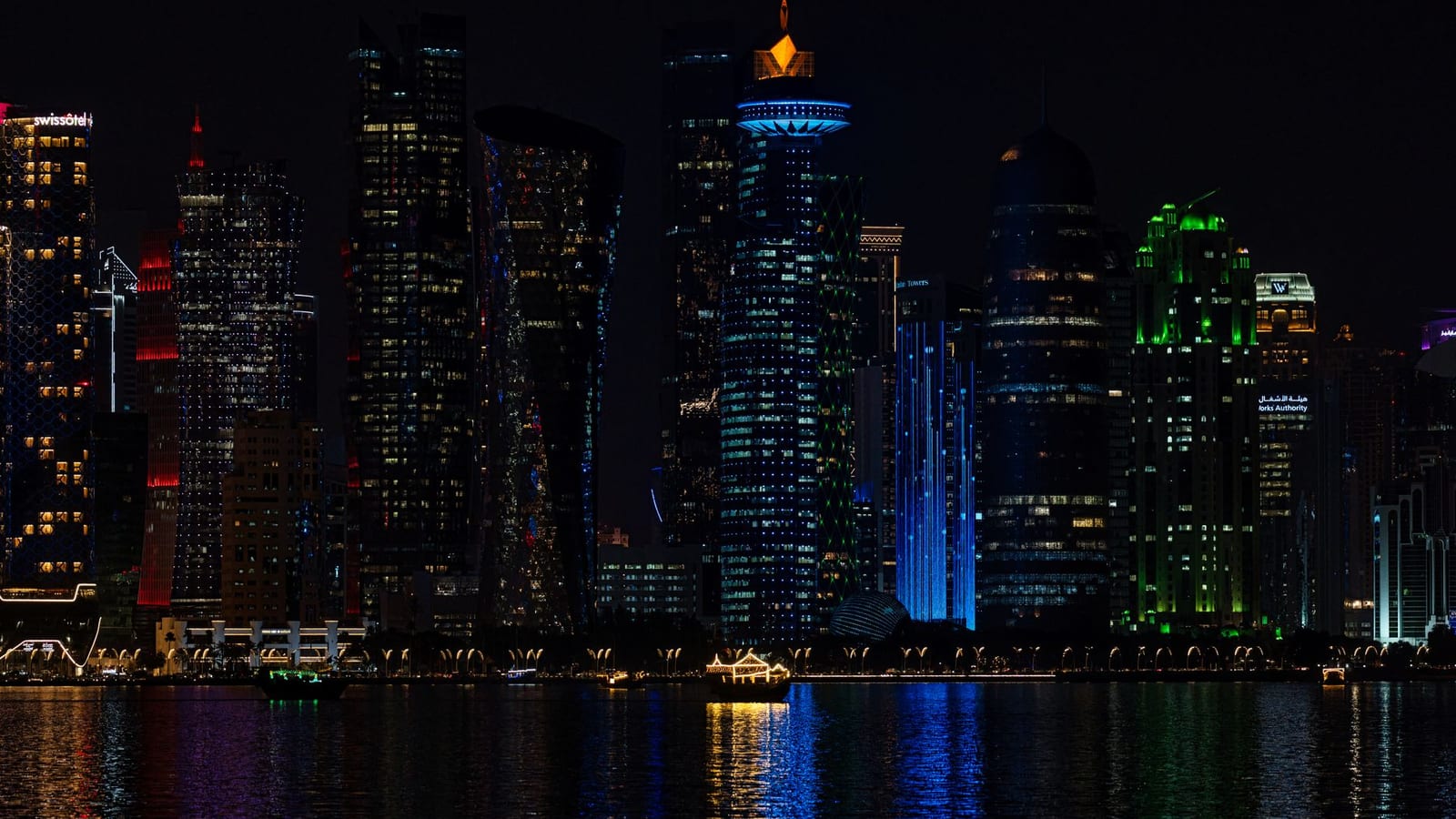
For millions who watch Gulf news through petrol prices and flight alerts, this Doha thaw matters.
Qatar has hosted another round of indirect talks between Iran and the United States. The result is modest, but not meaningless. Tehran may get partial access to frozen funds, and both sides will open a channel to handle ceasefire complaints.
That sounds dry. It is not. The Strait of Hormuz carries a huge slice of the world’s oil and gas trade. When it shakes, Indian households feel it at fuel pumps, air fares, and shipping bills.
Doha talks deliver limited progress
Iranian Deputy Foreign Minister Kazem Gharibabadi said the latest talks ended after two days of technical discussions. He said both sides discussed how to implement an interim understanding reached last month.
The talks did not happen face to face. American and Iranian teams sat apart, with Qatari and Pakistani mediators carrying messages between them. That tells you both the urgency and the distrust.
The clearest outcome concerns frozen Iranian money. Iran says part of its $6 billion in blocked funds will become available for buying goods needed at home.
This is not a blank cheque. Frozen funds usually move under strict rules. The money often pays for food, medicine, or other approved items, not missiles or cash payouts.
The second outcome is a communication channel. In simple terms, both sides want a complaint line before bullets start flying again.
If one side alleges a ceasefire breach, it can raise the matter through this route. That may sound basic, but wars often restart because nobody has a reliable off-ramp.
Hormuz remains the pressure point
The Strait of Hormuz remains the real prize. Before this conflict, nearly one-fifth of global oil and liquefied natural gas trade moved through that narrow waterway.
Commercial shipping has resumed, but nobody should mistake that for normalcy. Oil analysts have described the reopening as uneven and hard to read.
Iran wants wider recognition of its authority over the waterway. Tehran also wants to charge commercial ships once the toll-free period under the interim deal ends in mid-August.
Washington and several Gulf governments oppose that idea. They see Hormuz as an international passage, not a toll road controlled by one country.
For India, this matters in a very practical way. Crude oil becomes costlier when insurers see danger. Freight charges rise when ships face delays.
That eventually travels through the economy. Diesel prices affect transporters. Aviation turbine fuel affects airlines. Imported fertilisers and chemicals can also become more expensive.
A foreign container ship reportedly ran aground after entering shallow waters outside a proper lane. Such incidents add to the nervousness around the route.
European countries have offered mine-clearing help. Germany, however, appears unlikely to join because Iran remains wary of outside military involvement.
Washington keeps diplomacy alive
US Vice President JD Vance said talks were moving in the right direction. He also warned that everything depends on what Iran does next.
Vance made one point very clearly. President Donald Trump does not want to send American forces back unless he sees a clear reason.
That is important because both countries traded strikes only last weekend. One Iranian attack on a cargo ship triggered American retaliation, and the truce looked shaky again.
Trump sounded more upbeat. He said efforts around Iran’s denuclearisation were progressing, though the latest Doha round did not tackle the nuclear file directly.
That gap matters. The immediate talks dealt with shipping, money, and ceasefire mechanics. The harder arguments still sit on the table.
Those include Iran’s nuclear programme, sanctions relief, and wider security arrangements across the region. None of those issues has an easy switch.
For Tehran, frozen funds bring economic breathing space. For Washington, keeping Hormuz open protects energy markets and avoids another costly military spiral.
Both sides have reasons to talk. Neither side has yet shown enough trust to bargain openly.
India watches the Gulf closely
India may not sit at the Doha table, but it has skin in this story. The Gulf connects to Indian homes through oil, jobs, remittances, and travel.
Indian families with relatives working in West Asia watch such flare-ups closely. A regional conflict can disrupt flights, raise ticket prices, and create anxiety overnight.
For working couples planning a Dubai stopover or families visiting relatives in the Gulf, uncertainty has a cost. People delay bookings when air routes feel exposed.
Businesses feel it too. A small importer in Surat or a trader in Kochi does not track every diplomatic line. But shipping delays can still hit margins.
India also buys energy in a market where sentiment matters. Traders price risk before ordinary people understand what changed.
That is why even partial progress in Doha matters. It lowers the temperature, at least for now.
Still, nobody should oversell this. A complaint channel and partial fund release do not equal peace. They only reduce the chance of accidental escalation.
The next round waits
Qatar’s Foreign Ministry said the talks made positive progress on the interim understanding. It also said another round will follow after Ayatollah Ali Khamenei’s funeral on July 9.
The interim deal gives both sides a 60-day window to negotiate a wider settlement. That clock is already ticking.
If the next round moves into nuclear and sanctions questions, the talks will become tougher. That is where old grudges return quickly.
For now, Doha has produced something useful but fragile. It has given ships a little more certainty, diplomats another room, and markets a reason to pause.
For ordinary Indians, the story is not distant geopolitics. It is the price of petrol, the cost of flying, and the confidence to plan around the Gulf. If this channel holds, the region gets time to breathe. If it breaks, the bill will not stay in West Asia for long.