Qatar relays US-Iran messages to salvage Hormuz deal
US envoys and Iranian officials are in Qatar as mediators try to keep an interim Hormuz deal alive, with oil and travel costs at stake.
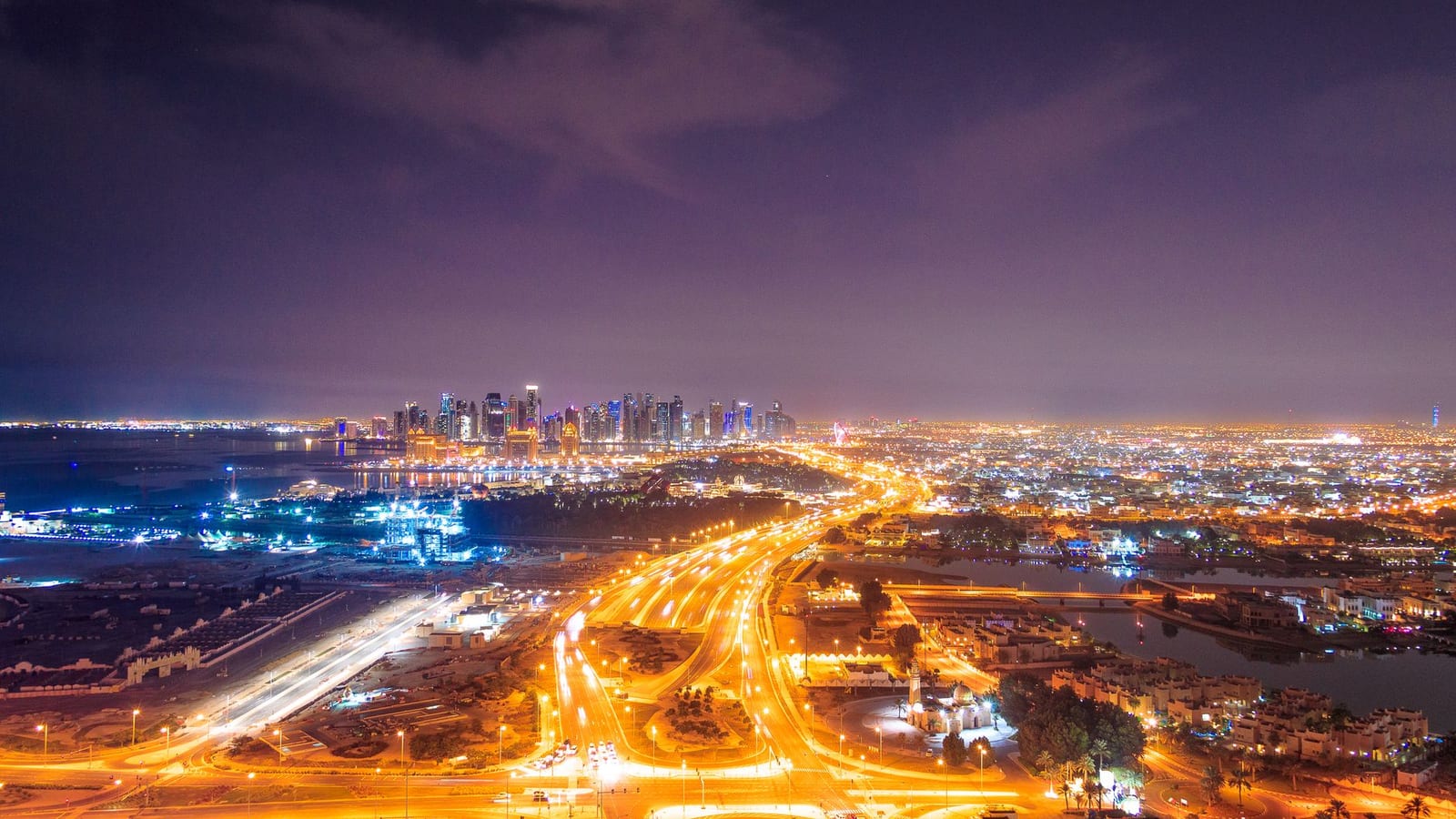
For many Indian families, the Gulf is not a faraway crisis zone. It is where sons work, where flights connect, and where oil prices quietly decide monthly budgets.
That is why talks in Qatar this week matter beyond diplomacy. Two American envoys have reached Doha as Washington and Tehran try to keep a fragile interim deal alive.
At the centre sits the Strait of Hormuz, the narrow sea route that can shake fuel bills from Mumbai to Madurai.
Doha becomes the message room
Steve Witkoff, US President Donald Trump’s Middle East envoy, and Jared Kushner have travelled to Doha for talks through Qatari mediators.
Qatar’s foreign ministry said there will be no direct meeting with Iranian diplomats. For now, Doha is working as the message room.
That matters because direct US-Iran talks remain politically loaded. Even sitting across one table can look like a concession.
Iran has also sent a delegation to Qatar. Foreign Ministry spokesman Esmail Baghaei said Tehran does not plan any meeting with the American side.
He said Iran will discuss parts of the memorandum with Qatar. That includes the release of frozen Iranian assets.
In plain English, both sides are talking without admitting they are talking. This is old diplomacy in a new crisis.
Why Hormuz worries everyone
Before the latest war, nearly one-fifth of global oil moved through Hormuz. That is a staggering share for one narrow stretch of water.
For India, this is not an academic number. India imports most of its crude oil, and Gulf shipping routes remain critical.
When tankers slow down, insurers get nervous. When insurers get nervous, shipping gets costlier. Soon, petrol pumps and airline fares feel it.
Families planning summer travel to Dubai, Doha or Muscat may not see the shipping charts. But they notice fare jumps fast.
A working couple booking a long weekend abroad sees the change first. A transporter sees it in diesel. A small factory sees it in power costs.
Iran had threatened and attacked shipping around the strait. Cargo ships and tankers stopped moving freely, triggering pressure across energy markets.
The strait sits between Iran and Oman. It works like a gate for ships entering and leaving the Persian Gulf.
That is why even limited military action there feels large. The geography leaves little room for error.
The interim deal on table
The US and Iran reached an interim understanding earlier this month. It aims to cool the conflict and reopen shipping traffic.
Under the arrangement, Tehran would dilute its enriched uranium stockpile. That means reducing the strength of nuclear material already processed.
The deal also eases US-backed oil sanctions on Iran. It calls for free passage through Hormuz.
Both sides have 60 days to work towards broader agreements. That is not much time in diplomacy, especially after strikes at sea.
Iranian President Masoud Pezeshkian said Qatar plans to release 6 billion dollars in frozen Iranian assets.
A US official confirmed the amount and said the money would buy American food products for Iranian people.
That detail is not small. It lets Washington say the money serves civilians, not the Iranian state.
For Tehran, the release offers domestic proof that talks can bring relief. Sanctions have squeezed ordinary Iranians for years.
Fresh strikes test the deal
The problem is that peace talks are running beside active violence. Last week, both sides traded strikes around the Gulf.
Iran attacked vessels in the strait, including a tanker carrying Qatari crude. The US responded with airstrikes.
Iran also launched drone and missile attacks aimed at Bahrain and Kuwait on Sunday.
This is why Doha’s role has become delicate. Qatar must host messages while the region remains on edge.
It also explains why the talks avoid senior officials. Lower-level contact gives both sides more room to step back.
If talks fail, Hormuz could again become the pressure point. That would hit energy markets before it hits speechwriters.
What Indians should watch
Indian travellers should watch flight advisories, not rumours. Airlines may adjust routes, timings or fares if tensions rise.
People with Gulf travel plans should also check insurance terms. Some policies treat conflict-related disruption differently.
For Indian workers in the Gulf, the bigger worry is uncertainty. Families back home depend on salaries from Qatar, UAE, Kuwait, Bahrain and Oman.
No one wants panic. But the Gulf’s everyday normalcy rests on shipping lanes, airports and stable governments.
For businesses, the concern is crude oil. Even a temporary supply scare can move prices and affect import bills.
The government in New Delhi usually tracks such moments closely. Any oil shock can disturb inflation and the rupee.
This is where foreign policy meets the kitchen budget. A tanker delay can become a higher commute bill weeks later.
Doha’s talks may look slow and indirect. But in the Gulf, slow talking is better than fast escalation. For ordinary Indians, the hope is simple: keep the ships moving, keep the flights steady, and keep another distant conflict from entering the monthly budget.