Ahmedabad Auto Fare Hike Adds To Gujarat Cost Pinch
Ahmedabad's higher rickshaw fares, CNG costs, rain damage, low dam levels and fraud cases are squeezing Gujarat households and small earners.
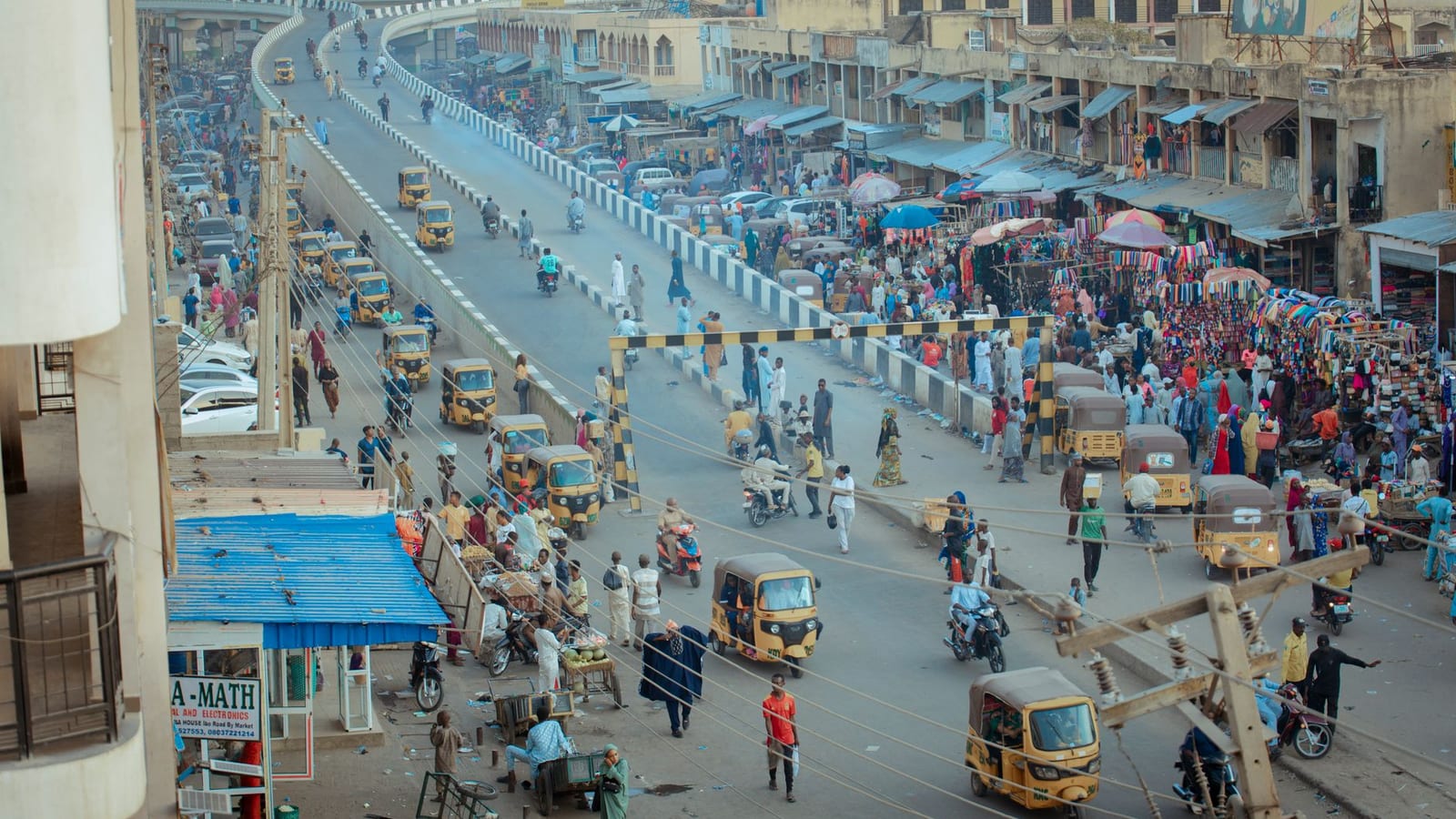
One ₹5 rise in a rickshaw fare can look small on paper. For a daily commuter, it quickly becomes lunch money.
That is the plain business story coming out of Gujarat this week. Rain has hit roads, CNG prices have pushed up travel costs, dam levels are worrying farmers, and fraud cases are eating into household savings.
None of these is a boardroom headline. Yet each one touches how people earn, spend, save, and move through the day.
Auto fares squeeze daily commuters
In Ahmedabad, rickshaw fares have gone up after a rise in CNG prices. The minimum fare has moved to ₹25, up by ₹5. The per-kilometre rate has gone from ₹15 to ₹20.
That matters because rickshaws are not a luxury service in many Indian cities. Students, office workers, patients, small traders, and domestic workers use them for short trips every day.
For a person taking two short rides daily, the monthly hit can add up fast. It may not break a household budget, but it can quietly tighten it.
For rickshaw drivers, the story cuts both ways. Higher CNG prices eat into daily earnings. Higher fares may protect income, but they can also reduce rides if customers start walking, sharing, or switching to buses.
Rain shows weak city spending
In Surat, the first spell of rain exposed familiar cracks. A city bus reportedly got stuck in a newly built road cave-in at Pandesara, injuring seven passengers. A BRTS bus also faced trouble near the Pal-Umra bridge.
This is where urban spending becomes personal. A bad road is not just a civic failure. It delays workers, damages vehicles, hurts shop footfall, and raises medical risk.
Small businesses suffer first when city movement slows. A delivery boy loses trips. A shop owner gets fewer customers. A bus passenger loses wages for the day.
Municipal bodies often talk about pre-monsoon work before the rains arrive. But the real test comes with the first heavy shower. This time, several towns saw waterlogging, stuck vehicles, and public anger.
Water stress reaches the market
Gujarat’s dam position adds another worry. Reports from the state said 68 dams had touched low levels, with Saurashtra and Kutch among the most stressed regions.
In Saurashtra, 141 dams were reported to have only about 27 percent water left. The state has started supplying water through the SAUNI scheme in affected areas.
Water stress is an economic problem before it becomes a headline problem. Farmers delay sowing. Milk supply chains feel pressure. Small factories worry about operating hours.
For households, it means tankers, storage drums, and rationed usage. For traders, it means weaker rural spending. When farm income looks uncertain, people postpone purchases.
That is why monsoon timing matters so much in western India. A few good spells can calm the market. A long gap can unsettle both farmers and urban businesses.
Fraud cases hit household savings
The week also brought several fraud and tax cases. In Surat, operators of a company named Ocean Emtech were accused of collecting ₹1.93 crore from investors after promising to double their money.
Such cases follow an old pattern. The promise is simple, fast money. The target is often someone who feels regular savings are too slow.
Police also reported a major cyber fraud case in Patan, involving ₹16.65 crore. Eight accused were arrested, and investigators linked the case to nine mule accounts and 139 complaints.
A mule account is a bank account used to move stolen money. Many account holders may not fully understand the crime. Some rent out accounts for a fee, then face legal trouble later.
Jamnagar also saw action in a ₹23 crore GST fraud case. State GST officials investigated a brass scrap firm for around 50 hours before police arrested a father and son.
The allegation involved fake tax credit. In simple terms, tax credit allows a business to reduce tax by showing tax already paid earlier. Fake credit means claiming that benefit without a genuine transaction.
Consumer complaints move to WhatsApp
There was also one useful consumer-facing step. Consumer Education and Research Centre launched a WhatsApp complaint desk for customers.
That may sound small, but access matters. Many consumers never file complaints because the process feels slow, formal, or confusing.
A WhatsApp desk lowers that first barrier. It can help people flag billing issues, defective goods, misleading schemes, or poor service without visiting an office.
The test will be follow-through. A complaint channel only works if people get replies, tracking, and closure. Otherwise, it becomes another unread message window.
For ordinary readers, the week’s Gujarat news carries one clear lesson. The economy is not only made in stock markets or factory floors. It is made in rickshaw meters, flooded roads, water tanks, bank accounts, and complaint desks. When those systems work, daily life feels manageable. When they fail together, even a normal week starts feeling expensive.