Pankaj Kapur recalls young Shah Rukh at NSD canteen
Pankaj Kapur said Shah Rukh Khan was about 10 when he helped at NSD's canteen, recalling a modest Delhi memory from before stardom.
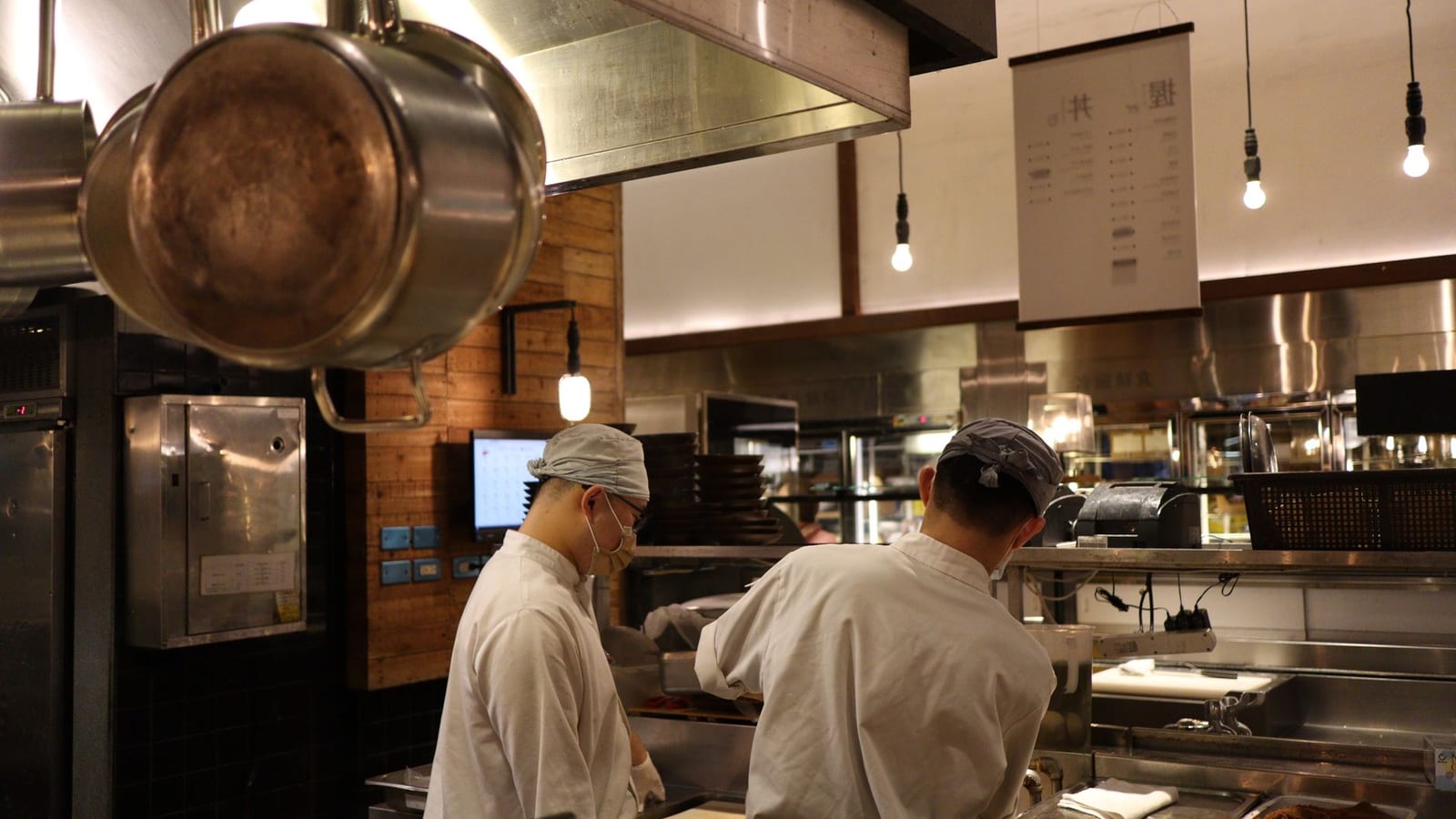
A samosa tray can sometimes tell a bigger story than a film poster.
Long before Shah Rukh Khan became the man who could open films on his name alone, he was apparently a child moving around a theatre canteen in Delhi. Not as an actor. Not as a star kid. Just a boy helping serve snacks during an interval.
That memory came from Pankaj Kapur, who recently recalled seeing a young Shah Rukh at the National School of Drama canteen. Kapur said Shah Rukh was around 10 then, and would help serve samosas to theatre artistes.
A Delhi canteen memory returns
Kapur was speaking about his student days in the mid-1970s, when NSD was a serious training ground for actors. It was also a place where conversations moved from stagecraft to politics, from money problems to dreams.
In that setting, Shah Rukh was not a performer yet. Kapur remembered him as a child who came to the canteen often. He said someone from Shah Rukh’s family, possibly his father or uncle, was connected to the canteen.
The detail is small, but it has weight. Bollywood usually likes its origin stories neat and shiny. This one is more ordinary, and therefore more believable.
A child in a canteen sees actors walk in tired, hungry, nervous, excited. He hears the noise before a show and the silence after one. That does not make a career by itself, but it can leave a mark.
Why the samosa story matters
For an industry that sells stardom, this story reminds us how much cinema depends on invisible labour. Before the camera, there is the rehearsal room. Before the rehearsal room, there is often a family business paying bills.
Shah Rukh’s father, Meer Taj Mohammed Khan, ran a restaurant in Delhi. The family had a known outlet in Safdarjung called Khatir. After his father’s death, Shah Rukh’s mother kept the business going for as long as she could.
That background matters because it cuts through the myth of overnight success. Shah Rukh did not arrive in Mumbai wrapped in destiny. He came from a home where work, loss, and ambition sat at the same table.
For many Indian families, that part feels familiar. A shop, a stall, a small restaurant, or a canteen often funds education and dreams. Children grow up inside these spaces, watching adults stretch every rupee.
In Shah Rukh’s case, that early world sat close to theatre. It gave him a view of performers before fame dressed them up. That is a rare classroom, even if nobody calls it one.
From NSD lanes to Bollywood scale
Kapur later worked with Shah Rukh in Ram Jaane, the 1995 action thriller. By then, the child from the canteen had become one of Hindi cinema’s fastest-rising stars.
That timing is interesting. The mid-1990s were a turning point for Bollywood. The industry was becoming more corporate, overseas markets were opening up, and television had already made Shah Rukh familiar to homes.
He was not the old-style film heir. He was also not the quiet art-house import. He carried theatre training, TV sharpness, Delhi energy, and a hunger that showed on screen.
That mix helped him build a new kind of stardom. He could play the obsessive lover, the charming son, the outsider, and the wounded romantic. Producers understood that he brought both risk and reach.
Kapur’s memory adds another layer to that rise. It places Shah Rukh near the stage before he owned the screen. It also shows how Delhi’s theatre culture quietly fed Hindi cinema for decades.
The business behind the myth
Film industries need stories like this, but they also use them carefully. A humble beginning makes a star feel closer to the audience. It gives fans a bridge between their daily lives and a very distant celebrity world.
But there is a business lesson here too. Shah Rukh’s value did not come only from acting talent. It came from an ability to turn personal history into public connection.
Audiences saw him as ambitious, emotional, and self-made. That image became part of the brand. Studios could sell the film, but Shah Rukh sold the feeling around it.
This is why such memories travel fast. They speak to fans, but they also refresh a star’s long market life. At 60, Shah Rukh remains a commercial force because his story still feels alive.
In an industry where new faces arrive every Friday, memory is currency. The star who can connect his past to the present stays relevant longer.
What young actors can read here
For younger actors, this anecdote offers a quieter lesson. Access matters, but attention matters too. Being around theatre people may not guarantee success, but it can teach rhythm, discipline, and respect.
NSD was not just a campus in that period. It was a meeting place for serious actors who later shaped theatre, television, and cinema. A child moving through that space would see ambition without glamour.
That matters in a business where many entrants only see the final product. They see red carpets, streaming deals, and box-office posts. They do not always see waiting, rejection, rehearsal, and small paid work.
Kapur’s recollection also reminds us that careers look obvious only after success arrives. At the time, nobody could have known that a boy serving snacks would become Hindi cinema’s global face.
That is the honest charm of this story. It does not pretend destiny was visible in the canteen. It simply says the future was walking around quietly, carrying samosas during interval.
For ordinary readers, that is the part worth keeping. Big careers often begin in small rooms, around working families, and near people chasing their own dreams. Stardom may look distant, but the first lesson can be as simple as showing up, watching closely, and doing the work in front of you.