Ahmedabad auto fares rise as unions cite CNG costs
Ahmedabad rickshaw unions raised the minimum fare to Rs 30, citing higher CNG costs, and urged Gujarat to approve a Rs 50 base fare.
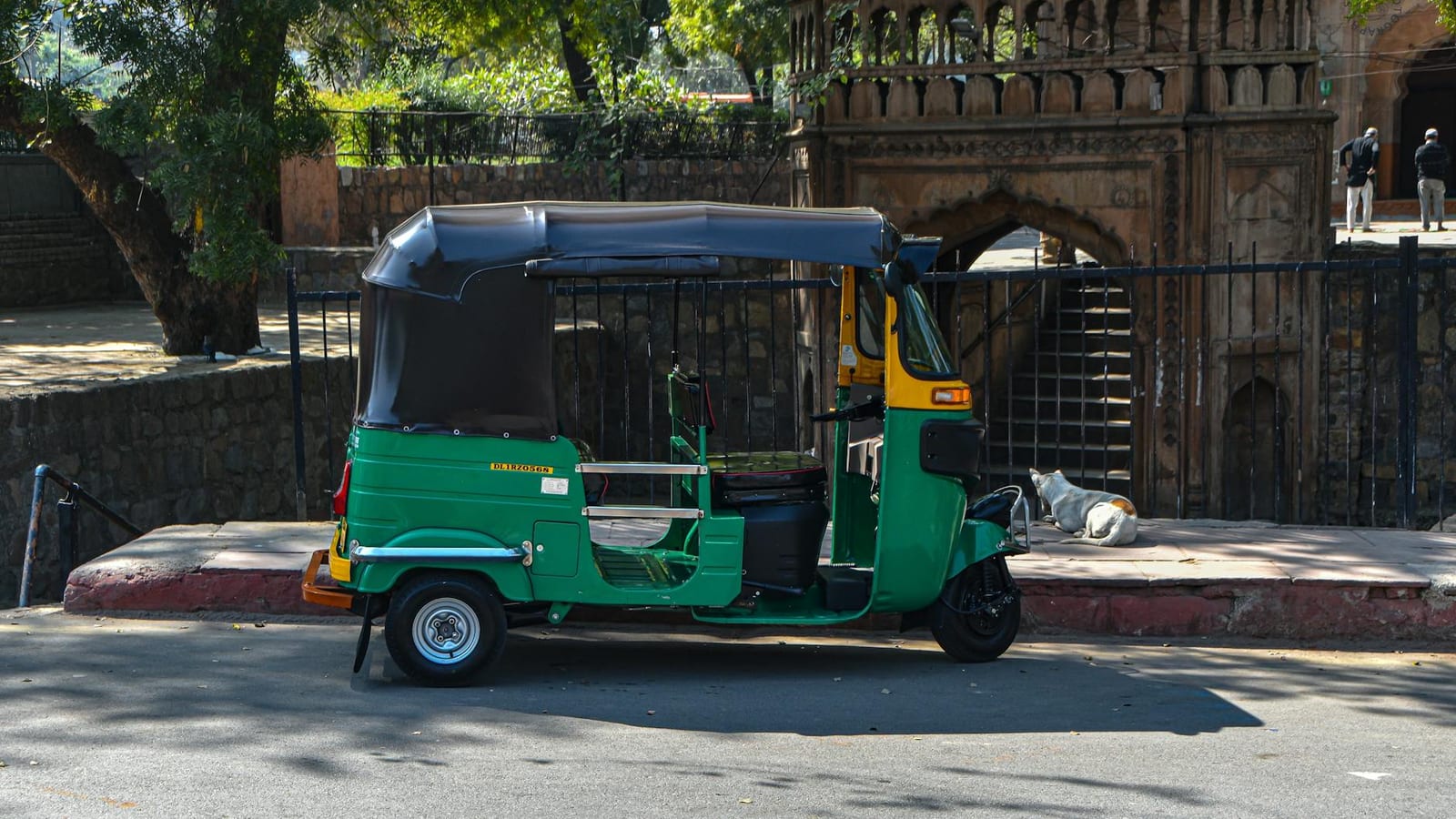
A ₹10 jump in a rickshaw fare sounds small, until it becomes daily rent on city life.
In Ahmedabad, rickshaw unions have announced a higher minimum fare, from ₹20 to ₹30. They say rising CNG prices have made the old fare unworkable.
The union has also asked the Gujarat government to raise the minimum fare to ₹50. For drivers, this is about survival. For commuters, it is another squeeze on monthly budgets.
Why rickshaw fares are rising
Rickshaw unions say the government has not revised fares despite higher fuel costs. So they have announced their own increase.
The new minimum fare means a short ride now costs ₹30 instead of ₹20. That is a 50 percent jump at the bottom end.
This matters because short rides form the backbone of rickshaw earnings. People use autos for metro stations, markets, clinics, offices, and school drops.
For a driver, CNG is not a small line item. It decides whether the day ends with savings or debt.
A rickshaw driver pays for fuel first. Then come rent, loan instalments, repairs, permits, and household expenses.
If fuel rises and fares stay frozen, the driver absorbs the hit. That sounds neat on paper. It is brutal in real life.
Commuters will feel it first
The first people to feel the increase will be regular short-distance commuters.
A student taking two rides a day will now spend ₹20 extra daily. Across 25 days, that becomes ₹500.
For an office worker, it may mean choosing shared rides more often. For a domestic worker, it could mean walking longer distances.
Small traders also depend on rickshaws. Many move light goods, samples, bags, and parcels by auto.
A ₹10 rise may not break a business. But costs rarely rise alone.
Milk, vegetables, electricity, rent, school fees, and mobile bills already compete for space in a household budget. Transport then becomes the silent tax.
That is why fare increases create such sharp reactions. They touch almost everyone, even those who do not own vehicles.
Drivers are caught in the middle
The rickshaw driver is often treated as the villain in fare disputes. The reality is more tangled.
Most drivers do not control fuel prices. Many do not own their vehicles either. They rent autos or pay daily instalments.
A driver must earn before he earns for himself. The first few hours often go into covering daily costs.
Only after that does the day’s income become actual income.
CNG once gave auto drivers a cheaper option than petrol. It also helped cities cut pollution from older fuels.
But when CNG prices rise, that advantage shrinks. Drivers cannot switch fuels easily. Their vehicles run on what they run on.
This is where the policy problem begins. If the state delays fare revision, pressure shifts to the street.
The driver negotiates with the passenger. The passenger argues. The union steps in. The government then faces anger from both sides.
The government has a hard call
Fare control exists for a reason. Without it, commuters can face random pricing and daily arguments.
But a fare chart must also reflect actual costs. If it does not, the system becomes fiction.
The Gujarat government now has to decide whether it accepts the union’s demand, rejects it, or works out a middle path.
The union has asked for ₹50 as the minimum fare. That would be a much sharper jump than ₹30.
For passengers, ₹50 for the shortest ride will feel steep. For drivers, anything lower may feel like delay dressed as compromise.
The better answer is a clear formula. Fuel prices, maintenance costs, inflation, and driver earnings should all count.
Many Indian cities avoid that discipline. They delay fare decisions until unions protest or commuters complain.
That creates sudden shocks. A small yearly revision hurts less than a large jump after years of neglect.
What this says about city life
The Ahmedabad rickshaw fare dispute is not just about autos. It shows how fragile urban budgets have become.
Cities ask people to travel more for work, school, healthcare, and opportunity. But they do not always make travel affordable.
Public transport helps, but it cannot cover every lane, shift, and emergency. Rickshaws fill that gap.
They are the last-mile service before we started calling it last-mile service. India’s cities ran on them long before app maps arrived.
That is why fare policy cannot treat autos as an afterthought. They are part of the daily economy.
When their costs rise, the effect spreads across workers, customers, and small businesses.
A kirana store owner may pay more for short deliveries. A clinic visitor may delay a trip. A worker may skip a ride and lose time.
These are not dramatic changes. They are slow cuts in ordinary life.
The government should move quickly, but carefully. It must protect commuters from sudden fare shocks. It must also stop pretending drivers can absorb every cost increase forever.
Ahmedabad’s ₹30 fare may look like a small local dispute. But it carries a bigger warning for Indian cities. If urban transport stays underpriced for politics and overpriced by pressure, ordinary people will keep paying both ways.