Watch-Free Habits May Signal Time Stress Boundaries
Psychologists say skipping a watch can reflect comfort, routines or stress triggers, but the habit alone cannot define a person's character.
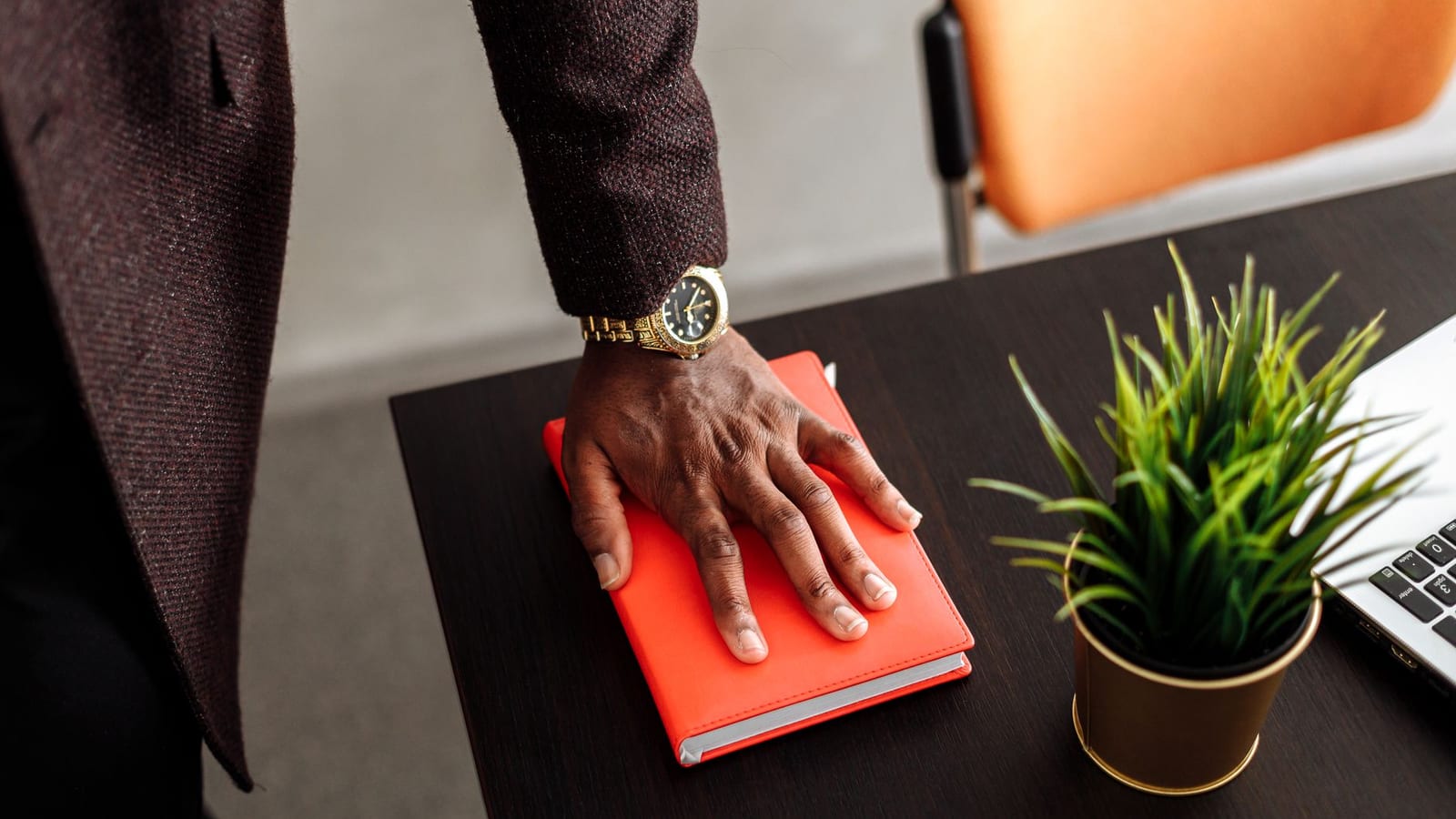
Look at any office lift at 9.55 am, and you will see time everywhere. On phones, smartwatches, laptop screens, and anxious faces.
Yet some people still walk out with bare wrists. No watch, no fuss, no small panic. For them, time exists, but it need not sit on the skin all day.
That tiny choice has become a small social test. Are they relaxed, careless, creative, or simply practical? Psychology gives a more useful answer: maybe some of each, but never from one habit alone.
Watches reveal habits, not character
A person who never wears a watch is not automatically irresponsible. That is the first trap to avoid. One accessory cannot explain someone’s whole personality.
Psychologists often read such habits as behavioural clues. They may show comfort, routine, identity, or stress. They do not work like blood tests.
The American Psychological Association describes stress as the mind and body reacting to demands. For some people, a watch becomes a tiny demand machine. It keeps asking: are you late, are you behind, are you wasting time?
That does not mean the watch creates anxiety by itself. It means constant checking can feed an already rushed mind. Anyone who has watched minutes crawl before a meeting knows that feeling.
Some people avoid watches because they dislike that pressure. They prefer checking the time only when they need it. In plain English, they choose fewer reminders.
Time pressure can feel personal
There is also a temperament angle. Some people like neat schedules, fixed slots, and reminders. Others work better with a looser sense of the day.
This is common in creative work. Writers, musicians, designers, and artists often talk about losing track of time. They are not always being dramatic. Deep attention can make the clock fade.
The psychologist Mihaly Csikszentmihalyi shaped the idea of “flow”. It means full absorption in a task. In that state, people often notice the work more than the minutes.
But let us not romanticise this too much. Missing deadlines is not creativity. Turning up late for a patient, client, class, or train still has consequences.
The healthier reading is simpler. Some people feel calmer without a watch. Others feel safer with one. Both can be perfectly normal.
Smartphones changed the wrist
The smartphone changed this debate completely. For many Indians, the phone already gives the time, alarm, calendar, cab arrival, payment alert, and office message.
So the wristwatch lost its old job. It no longer had to answer the basic question: what time is it? The phone did that well enough.
That is why many younger people see watches as optional. They may spend heavily on shoes, earbuds, or a phone case. But a watch feels unnecessary.
At the same time, devices like the Apple Watch made the wrist important again. The watch became a health tracker, payment device, and notification screen. It stopped being only a clock.
This split tells us something about modern life. Some people want fewer screens on their body. Others want useful data at a glance. Neither side has a monopoly on wisdom.
Punctuality still needs proof
The real question is not whether someone wears a watch. It is whether they respect other people’s time. That shows up in behaviour, not accessories.
A kirana store owner who opens at the same hour daily understands time. A nurse moving between patients understands time. A commuter catching a 7.42 local understands time very well.
They may wear watches, or they may not. Their actions tell the story.
This is where casual psychology often goes wrong. We love turning small signals into big labels. Watch means disciplined. No watch means free-spirited. Life rarely behaves so neatly.
There can also be simple comfort reasons. Some people dislike anything tight on the wrist. Some sweat too much in Indian weather. Some remove watches for work, hygiene, or religious practice.
Fashion matters too. A watch can signal taste, wealth, restraint, or nostalgia. For others, it feels like clutter. The same object can mean very different things.
A softer way to read people
A better way to understand this habit is to ask what role time plays in someone’s day. Is time a tool, a threat, or just background noise?
For a young professional on back-to-back calls, visible time may bring control. For someone trying to reduce stress, one less visible clock may bring relief.
For parents managing school drops, office work, and household errands, time is rarely abstract. It decides breakfast, traffic, homework, and sleep.
So, not wearing a watch does not mean ignoring time. It may mean using time differently. It may also mean relying on the phone, like most of us now do.
The useful lesson is not about judging bare wrists. It is about noticing our own relationship with time. If checking the clock helps you plan, keep it. If it keeps tightening your chest, change the habit.
A watch can organise a day, but it cannot measure a life. The bigger question is whether our routines leave enough room to think, rest, work well, and show up for others.
This article is for informational purposes only and does not substitute medical advice. Consult a qualified physician for any health concern.
This article is for informational purposes only and does not substitute medical advice. Consult a qualified physician for any health concern.