Ahmedabad Auto Unions Raise Minimum Fare to Rs 30
Ahmedabad rickshaw unions plan a Rs 30 minimum fare, citing higher CNG costs, before Gujarat approves any formal revision.
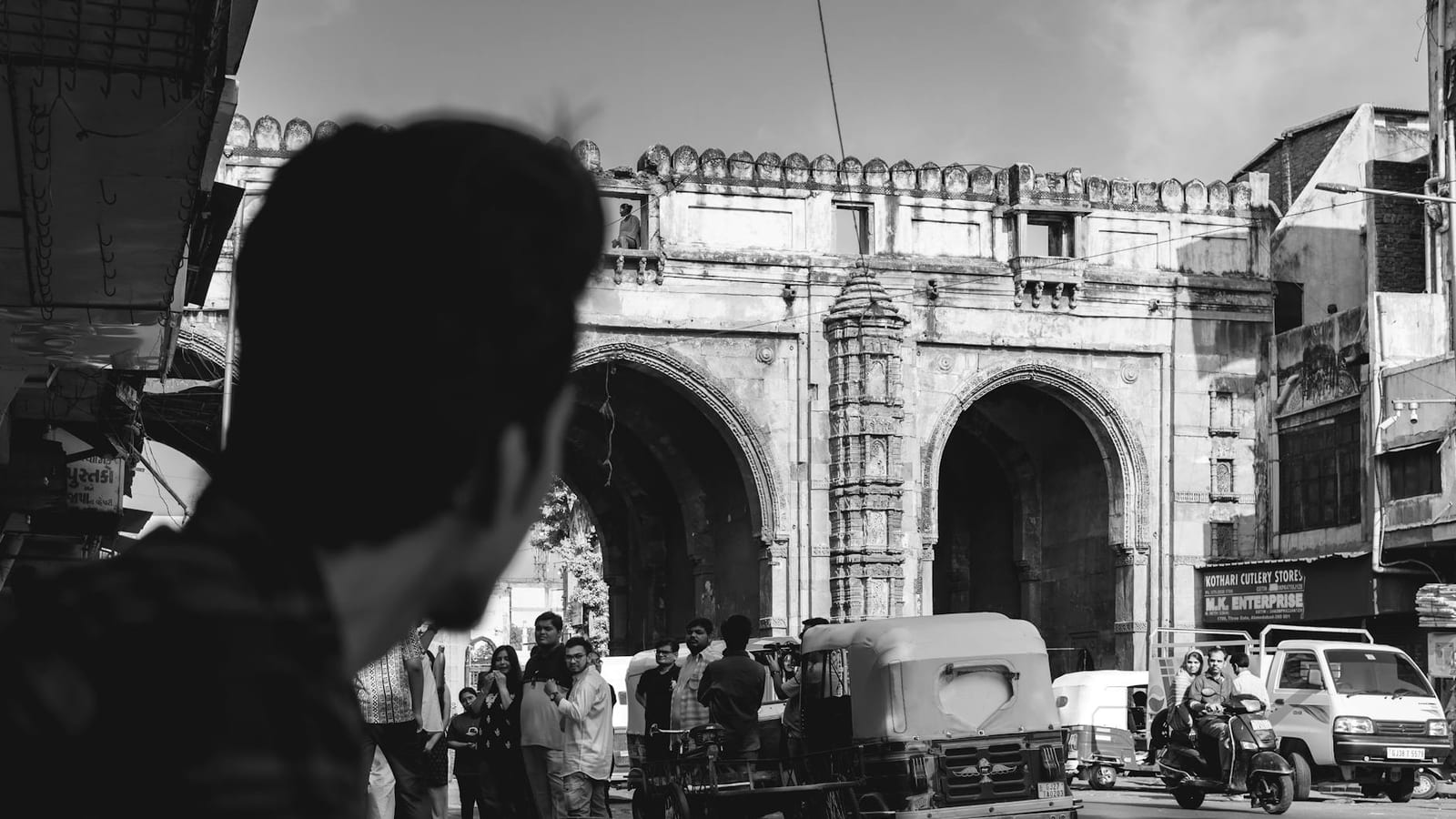
For many Ahmedabad commuters, the morning auto ride may soon feel like a small tax on daily life.
Rickshaw unions in Ahmedabad have announced that they will charge ₹30 as the minimum fare, instead of the current ₹20. The unions say rising CNG prices have made the old fare impossible to live with.
The move comes before any formal fare revision by the Gujarat government. That is where the trouble begins.
Rickshaw fares move up
The rickshaw union has said drivers will start collecting ₹30 as the minimum fare. It has also asked the government to raise the minimum fare to ₹50.
That is a sharp ask. For a short ride, the difference between ₹20 and ₹30 may look small. But for someone taking two autos a day, it adds up fast.
A student, office worker, shop employee, or domestic worker may spend ₹20 more daily. Over a month, that can mean ₹500 to ₹600 extra. For many families, that is not loose change.
The union argues that drivers have no choice. CNG, the main fuel for many autos, has become costlier. Maintenance, tyres, permits, and daily household expenses have also risen.
Why drivers are pushing back
An auto driver’s earnings look simple from outside. A passenger pays a fare, the driver keeps it. In reality, the driver first pays for fuel, repairs, vehicle rent if the auto is not owned, and daily running costs.
Only what remains becomes income.
That is why fuel price changes hit drivers quickly. When CNG rises, the meter does not automatically rise with it. The driver absorbs the pain until the government revises fares.
Rickshaw unions say the current minimum fare does not match the cost of running the vehicle. Their demand for ₹50 shows how wide they think the gap has become.
But there is another side. Passengers are also under pressure. Food, rent, school fees, and loan EMIs have already stretched household budgets.
So this is not just a driver-versus-passenger story. It is a classic urban squeeze. One working group asks another working group to pay more.
Government silence creates confusion
The biggest problem is the timing. The unions have announced the increase because the government has not revised fares.
That leaves passengers in an awkward position. If a driver asks for ₹30, is it a legal fare or a union-decided fare? If a passenger refuses, who settles the dispute?
Fare systems work only when everyone knows the rules. Drivers need certainty. Passengers need trust. The city needs enforcement that does not turn every short ride into an argument.
The government can avoid this confusion by taking a clear call. It can approve a revised fare, reject the demand, or propose a middle path.
A proper fare formula would help. It could link fares to fuel prices, distance, and running costs. That way, drivers do not need street-level pressure each time fuel moves.
Many Indian cities have faced this same problem. When governments delay fare revisions, unions step in. Once that happens, the passenger hears the news not from an official order, but from the driver at the stand.
That is never a healthy way to run public transport.
Commuters face the daily pinch
Ahmedabad depends heavily on autos for short trips. Metro and buses help, but they do not solve the last-mile problem for everyone.
Autos connect homes to offices, markets, hospitals, coaching centres, and railway stations. They are especially important for those who do not own a two-wheeler or car.
A ₹10 increase in the minimum fare will change behaviour. Some commuters may walk longer distances. Some may shift to shared autos. Others may cut non-essential trips.
Small businesses also feel such changes. A customer who thinks twice about a short ride may postpone a market visit. Delivery workers and small traders may see transport costs creep up.
For drivers, the risk is also real. Higher fares can reduce short-distance demand. A fare hike helps only if enough passengers still ride.
That is the delicate balance. Push fares too low, and drivers cannot survive. Push them too high, and passengers disappear.
The wider cost-of-living signal
This fare dispute says something bigger about city life. Urban India runs on millions of small payments, a bus ticket, an auto ride, a tea, a phone recharge.
When each of these rises a little, the household budget changes a lot.
CNG was once sold as a cleaner and cheaper option for city transport. It still has environmental benefits when compared with dirtier fuels. But “cheaper” no longer feels automatic for drivers.
For policymakers, this is a warning. Public transport cannot depend only on private negotiation between drivers and passengers. Cities need predictable fares, cleaner fleets, and enough affordable options.
Ahmedabad’s next step matters. If the government responds with a clear fare decision, the dispute may settle. If it stays silent, the road will decide the price, one ride at a time.
For ordinary commuters, the question is simple. Can the city keep transport affordable without making drivers poorer? That answer will decide more than an auto fare. It will decide how fair daily life feels in a growing city.