Air India Adds Gujarati Meals On Long-Haul Flights
Air India’s Gujarati menu on long-haul routes shows how regional food can shape passenger comfort, loyalty and airline experience.
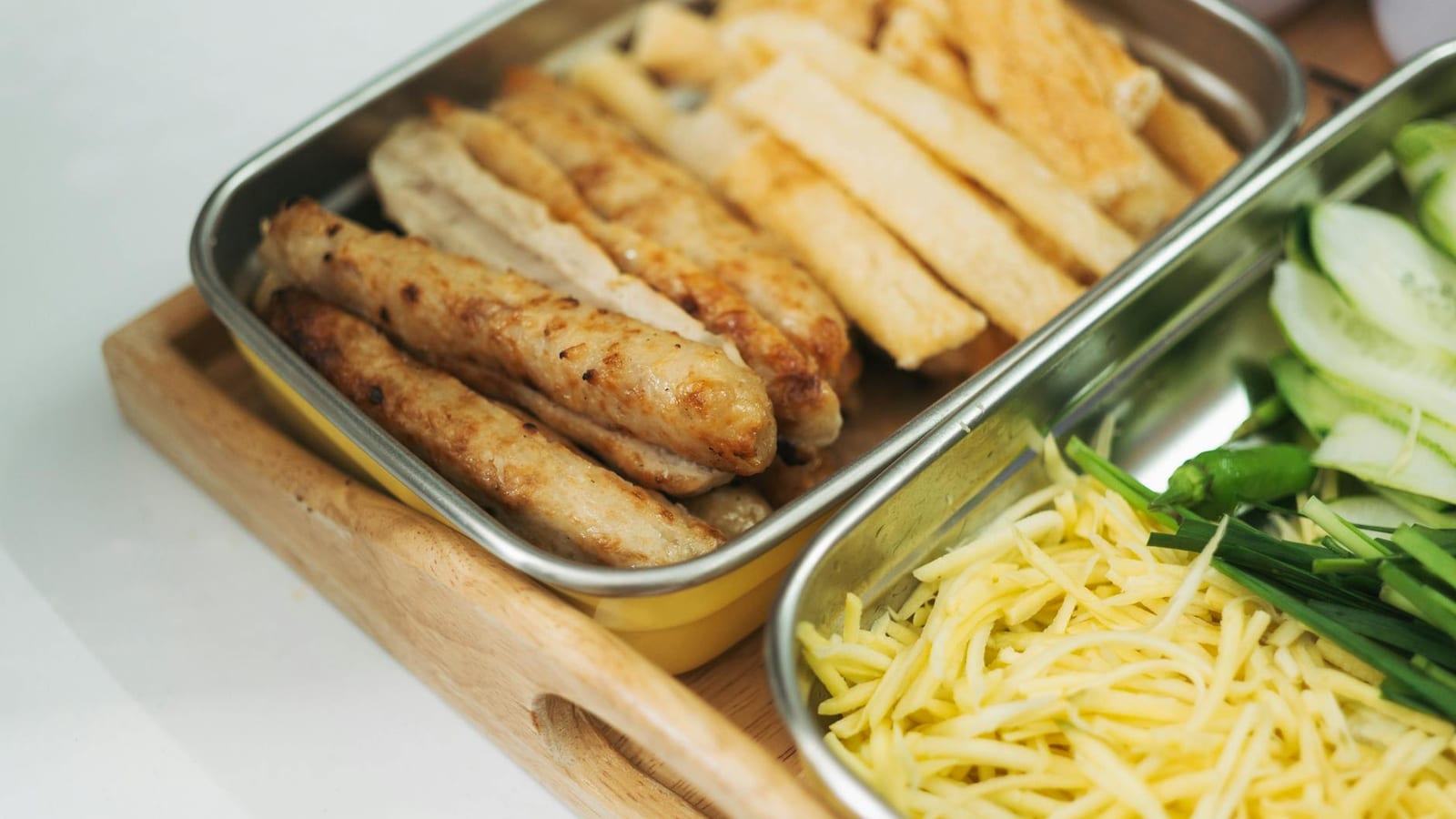
A tray of shrikhand, puri and patra at 35,000 feet says more than it first appears.
For a Gujarati family flying to America, food is not just a meal. It is comfort, memory, and a small defence against the fatigue of a long-haul flight.
That is why Air India Limited adding Gujarati food to its menu matters beyond nostalgia. It shows how Indian aviation is learning a simple business lesson. Passengers remember how a flight made them feel.
Gujarati food reaches long-haul cabins
The menu addition came after efforts by Dilip Shah, a well-known figure linked with Gujarat’s aviation circles. The new offering includes familiar Gujarati items such as shrikhand, puri and patra.
For many passengers from Gujarat, these are not exotic dishes. They are regular Sunday food, wedding food, and festival food. On a long flight, that emotional value can be powerful.
Airlines usually sell comfort through seats, screens and punctuality. Food often gets treated like a side issue. But Indian passengers, especially older travellers and families, notice meals closely.
A vegetarian passenger on a long international route wants trust first. They want to know what is on the plate. A familiar Gujarati meal reduces that small but real anxiety.
Why airlines care about regional taste
This is not only a cultural story. It is also sharp business.
India’s international travel market has become more competitive. Airlines fight for passengers flying to the United States, Europe, the Gulf and Southeast Asia. Price matters, but experience also decides loyalty.
For Air India, food becomes one more way to speak to specific passenger groups. A Gujarati menu can appeal to families, business travellers, students and older flyers on overseas routes.
The Gujarati diaspora has deep links with America. Many families travel often for weddings, graduations, business visits and medical support. These passengers are valuable because they travel in groups and plan repeat trips.
A regional meal also tells passengers that the airline sees them. That may sound soft, but it has hard business value. A passenger who feels understood is more likely to book again.
The soft power of a thali
Air India is trying to rebuild trust after years of uneven service. Every visible change gets judged by passengers. Food is one of the easiest changes to notice.
A hot meal cannot fix a delayed flight. It cannot replace clean cabins or trained staff. But it can improve the emotional memory of a journey.
That matters for a carrier trying to sharpen its identity. Air India has to compete with global airlines that have spent years perfecting service details. Indian food, done well, can become an advantage.
The trick is consistency. Gujarati food at altitude must still taste fresh. It must survive reheating, packaging and long service cycles. A poor version of a beloved dish can annoy passengers more than a neutral meal.
This is where execution becomes serious. Airlines need suppliers who understand texture, shelf life and regional taste. Patra cannot arrive dry. Shrikhand cannot feel like sweet paste. Puri cannot become rubbery.
Suppliers may see new demand
If regional menus grow, the benefit may travel beyond the airline.
Food vendors, caterers and small suppliers could get new opportunities. Regional snacks and sweets have already become big business in Indian retail. Aviation can add another premium channel.
But airline catering has strict rules. Suppliers need hygiene systems, steady quality and reliable delivery. A popular local brand cannot simply send food to an aircraft kitchen overnight.
Still, the direction is clear. Indian aviation is moving from generic “veg or non-veg” meals to sharper passenger targeting. That mirrors what hotels, quick-service restaurants and packaged food brands have already learned.
India is not one food market. It is many food markets inside one country. Gujarati, Tamil, Punjabi, Bengali and Maharashtrian travellers carry different expectations.
Airlines that understand this can build stronger customer loyalty. Airlines that ignore it may look cheaper on paper, but feel colder in practice.
A small plate, a larger signal
The menu move also shows how Indian brands now see the diaspora. Earlier, overseas Indians often adjusted to whatever was available. Now companies chase them with language, festivals, banking products and food.
This is especially true for Gujaratis, who have strong business and family networks abroad. For them, travel is not occasional. It is part of life.
Air India’s Gujarati menu is a small example of a bigger shift. Indian companies are realising that culture can be a commercial asset, if handled with care.
The risk is tokenism. One regional dish on a tray cannot become a substitute for better service. Passengers will still judge check-in, baggage, crew behaviour and on-time performance.
But food can open the door. It can make a passenger feel that the airline is not just moving bodies between airports. It is carrying people between two homes.
For ordinary travellers, that is the real point. A familiar meal in the sky will not change the economics of flying. But it can make a long journey feel less tiring, less anonymous, and a little more Indian.