Air India Adds Gujarati Meals On US-Bound Flights
Air India is using regional Gujarati dishes on US routes to court long-haul flyers, linking food, identity and loyalty in cabin service.
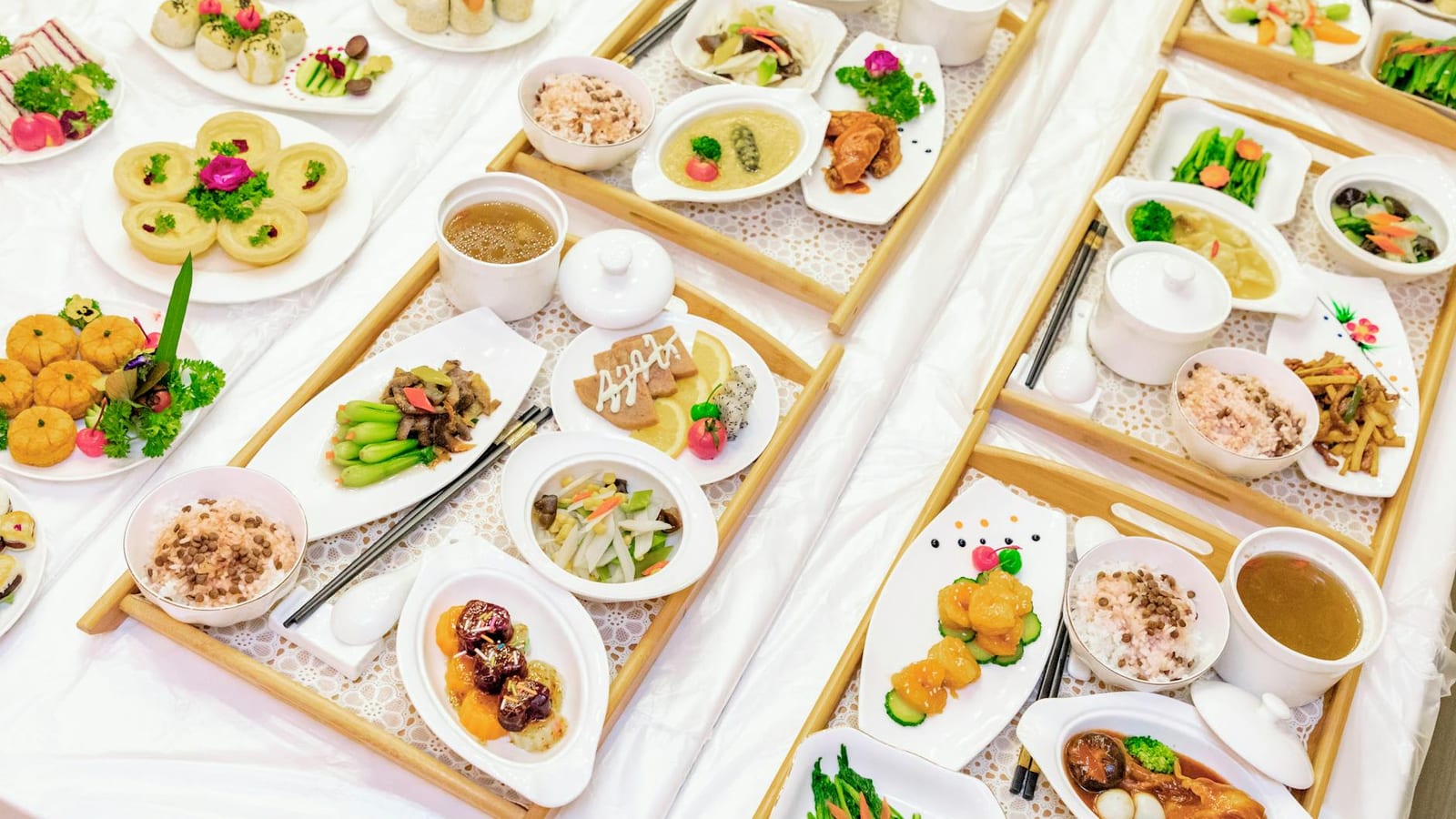
A Gujarati meal at 35,000 feet can do more than fill a tray. It can tell a nervous flyer, far from home, that someone remembered where they came from.
That is why the sight of shrikhand, puri and patra on a US-bound flight matters. It sounds small. In airline business, it is not small at all.
For years, Indian passengers have quietly adjusted to bland “Indian vegetarian” meals abroad. Now, regional food is becoming part of how airlines compete for loyalty.
Gujarati food enters the cabin
Air India Limited has added Gujarati dishes to its menu on flights to the United States, after efforts linked to Dilip Shah, a Gujarati figure associated with aviation circles.
The meal included familiar dishes such as shrikhand, puri and patra. For many Gujaratis flying long-haul, that is not just food. It is memory, comfort and identity packed into an airline tray.
This move speaks directly to a large travelling community. Gujaratis form a visible part of India’s business, student and family travel to North America. Many fly regularly for work, weddings, education and family visits.
Airlines understand this better than most people think. A passenger may forget seat fabric or cabin lighting. But they remember whether the food felt careless or thoughtful.
Why airline meals matter
Airline food looks simple from the outside. Inside the business, it is a serious operation.
Every dish must survive storage, reheating, pressure changes and strict safety checks. It must taste decent even when the human palate becomes dull in the air.
That makes regional food tricky. Gujarati food, for example, depends on balance. Sweet, sour, soft, crisp and spiced notes often sit together. If one part fails, the whole meal feels wrong.
So, serving patra or shrikhand is not like placing a local snack on a plate. The airline must get sourcing, packaging and timing right.
For passengers, the test is simpler. Does it taste close enough to home? If yes, the airline earns goodwill. If no, social media will do the rest.
A business case in every thali
The airline industry often talks about premium cabins, fleet expansion and route economics. But food can shape brand loyalty in a quieter way.
A family choosing between two similar flights may remember the airline that served food their parents could eat happily. A business traveller may prefer the carrier that does not make every meal feel like compromise.
For Gujarat, this also has a cultural business angle. Regional food on global flights gives small culinary traditions a bigger stage.
It can help caterers, suppliers and food entrepreneurs too. If airlines expand such menus, they need reliable vendors who can deliver taste at scale.
That is where the real business begins. A dish that works in a home kitchen must change for aviation. It needs measured ingredients, standard quality and safe shelf life.
This creates opportunities for food processors and caterers. It also creates pressure. One bad batch can damage trust fast.
Air India’s larger signal
Air India has been trying to rebuild its image since returning to the Tata Group. The airline has spoken often about better aircraft, improved service and a more polished passenger experience.
Food sits inside that larger story. It is one of the few things every passenger touches directly.
A better meal cannot fix delayed flights or old seats. But it can show intent. It tells passengers the airline is paying attention to details that affect daily experience.
That matters because Indian aviation is no longer only about cheap fares. Price still matters, of course. But on long-haul flights, comfort matters too.
A passenger flying to the US spends many hours in the aircraft. At that point, a familiar meal becomes part of the value offered by the ticket.
Regional tastes, global routes
India is not one market when it comes to food. It is hundreds of markets sharing one passport.
A Punjabi traveller, a Tamil student, a Gujarati business family and a Bengali parent may all book the same international flight. Their food expectations differ sharply.
Airlines cannot serve every cuisine on every flight. That would become costly and chaotic. But they can study passenger routes and make smarter choices.
Gujarati food on US routes makes business sense because the community is large and frequent. Similar logic could apply to other routes.
For example, flights with strong South Indian traffic may benefit from carefully designed regional vegetarian meals. Middle East routes may need another mix. East Asia routes may need lighter, quicker meal formats.
The challenge is to avoid tokenism. A regional dish badly made can irritate passengers more than no regional dish at all.
The smarter approach is simple. Pick fewer dishes, execute them well and keep feedback loops open.
That is how airline food moves from checkbox to strategy.
For ordinary passengers, this is the bigger point. Indian travellers are no longer grateful for being merely accommodated. They expect to be understood.
A tray with shrikhand, puri and patra will not transform aviation by itself. But it shows where the market is moving. The Indian flyer now carries both purchasing power and cultural confidence. Airlines that notice this early will not just serve better meals. They will build deeper loyalty, one remembered taste at a time.