Binance Turns AI On Deepfake Crypto Scam Networks
Binance is using AI to spot deepfake calls, fake support agents and social engineering as crypto fraud losses climb across digital wallets.
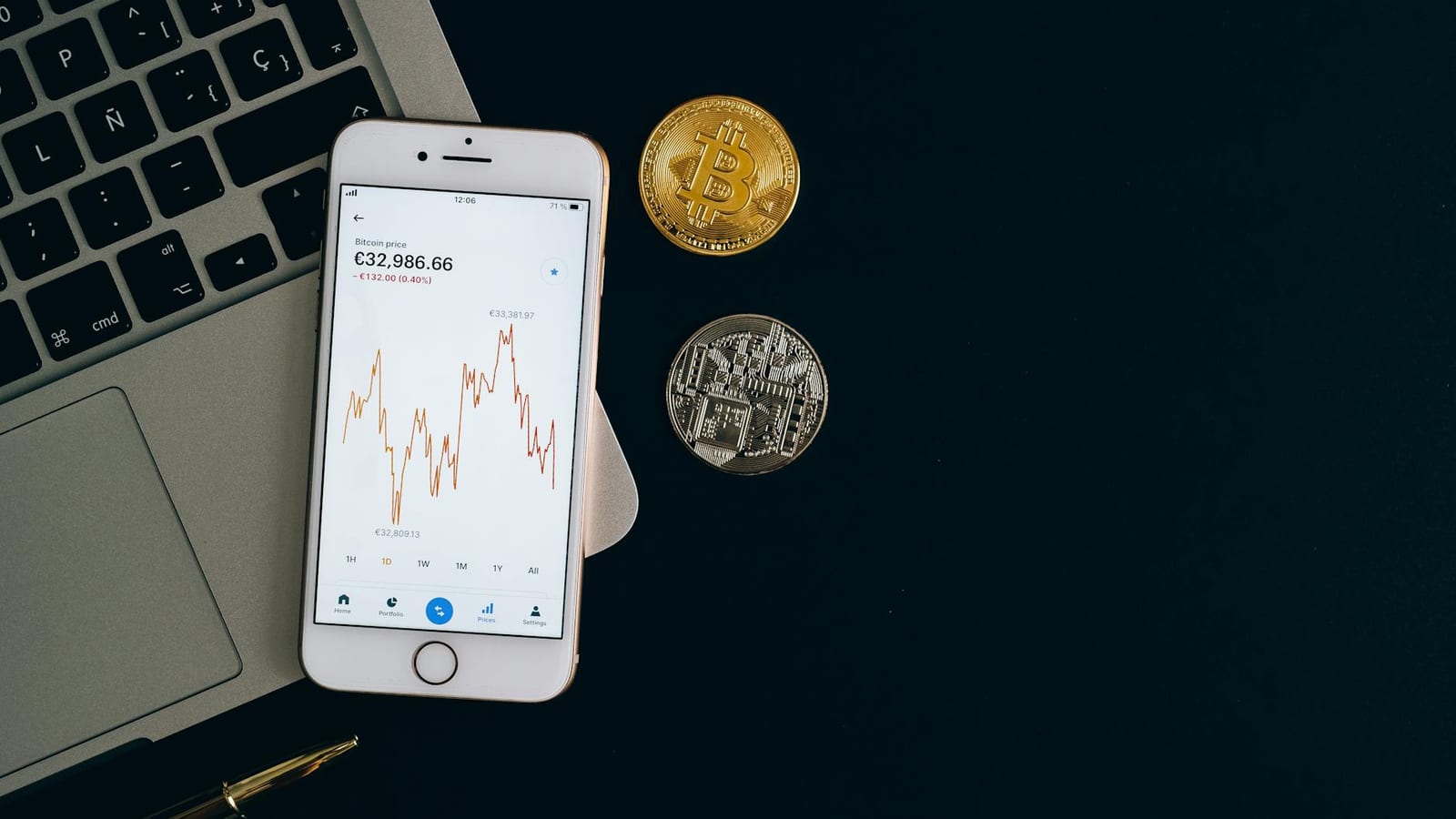
A video call from “customer support” can now look frighteningly real.
The face moves naturally. The voice sounds calm. The background looks official. For a crypto investor, that is exactly the danger. The person on screen may not exist at all.
That is the new fraud market facing Binance Holdings Limited, and every user with money sitting in a digital wallet. Scammers are no longer just sending bad links with broken English. They are using artificial intelligence to sound, look, and react like trusted people.
AI has changed crypto fraud
Crypto scams were already painful because money moves fast and borders mean little. AI has made the problem sharper.
Industry estimates cited by Binance say global crypto fraud rose about 30 percent in 2025. The losses were put near $17 billion across the digital asset ecosystem.
The FBI said crypto scam losses in the United States crossed $11 billion in 2025. It pointed to advanced social engineering and synthetic media. In simple terms, criminals are using fake voices, fake faces, and fake conversations to make people trust them.
Chainalysis has also linked AI tools to higher scam profits. Its industry analysis said face-swap software and large language models helped lift crypto scam gains by 17 percent in 2025.
For Indian investors, this matters more than it may first appear. Many small crypto users do not have large teams, legal advisers, or dedicated security staff. They have a phone, an app, and a password.
That makes trust the weakest point. A fake support agent can create panic. A fake executive can ask for urgent action. A fake website can collect login details in seconds.
Binance puts AI on defence
Binance says it has built a large AI-led security system to stop such attacks before they reach users.
Between the first quarter of 2025 and the first quarter of 2026, the exchange says its systems blocked $10.53 billion in suspicious and fraudulent transactions globally. It also says more than 5.4 million retail and institutional users were protected during this period.
The numbers are striking. In the first quarter of 2026 alone, Binance says it stopped 22.9 million scam and phishing attempts. The company says this protected $1.98 billion of user funds.
It also claims it cut credit card fraud by 60 to 70 percent compared with common industry levels. That matters because crypto exchanges sit at the crossing point between bank money and digital assets.
The company says more than 100 machine learning models now run across its security stack. Machine learning simply means software that studies patterns and improves as it sees more examples.
These models watch transaction behaviour, device signals, network routes, and account activity. If a user suddenly behaves unlike their usual self, the system can raise a red flag.
Binance says AI now handles 57 percent of fraud detection on its platform. That does not mean humans have disappeared. It means machines scan the flood first, because fraud now moves too fast for manual checks alone.
Deepfakes target ordinary users
The scariest part of this story is not the technology. It is how ordinary it can feel.
A user may get a message from what looks like official support. The person may say there is a security issue. The user may then be pushed to a fake website that looks almost identical to the real one.
This is social engineering. The criminal does not break the lock. He convinces the owner to hand over the key.
Deepfake video and voice cloning make that trick more convincing. Earlier, a careful user could spot spelling errors, strange links, or odd language. Now, the scam can speak smoothly in real time.
That is why Binance has also focused on education. The company says its account takeover education programme trained more than 179,000 users in the first quarter of 2026.
The training covers warning signs around deepfakes, impersonation, phishing, and account takeover attempts. It also includes alerts when users behave in ways that look similar to known scam victims.
This may sound basic, but it is crucial. No security system can fully protect a person who willingly gives away credentials. In finance, the last firewall is often the customer’s own judgement.
For Indian users, the lesson is simple. Do not trust urgency. Do not trust a face on a screen. Do not move money because someone sounds official.
AI tools need stronger guardrails
Binance is also trying to secure AI trading tools through its Binance AI Pro platform.
AI trading tools can scan markets, suggest trades, and automate some actions. But any tool that can touch money also becomes a target. If criminals compromise such a tool, the damage can spread quickly.
Binance says it uses isolation architecture for AI trading agents. That means each tool works in a limited space. If one tool is attacked, it should not reach the exchange’s core systems or sensitive user data.
The company also says third-party tools go through security checks before joining the system. It limits permissions, so tools only get the access they need.
This is the right direction for a market that often moves faster than its safeguards. In crypto, products can scale globally before users fully understand the risks.
That creates a business problem too. Big institutions will not put serious money into digital assets unless they see bank-grade security. Retail users may forgive a confusing interface. They will not forgive vanished savings.
Recovery remains the hard part
Stopping fraud is the first job. Recovering stolen money is the harder one.
Binance says its internal recovery programmes returned $12.8 million in 2025. The company says that marked a 41 percent improvement in recovery efficiency over the previous year.
It also says cooperation with external platforms and law enforcement helped recover $131 million in illicit funds globally.
Those figures sound large, but they also show the limits of the fight. Once digital assets move through multiple wallets and countries, recovery becomes slow and uncertain.
That is why prevention matters so much. For a young professional investing a few months of savings, a recovered-funds statistic offers little comfort after the damage is done.
Crypto platforms now face a plain test. They must protect users without making the product impossible to use. Too much friction drives people away. Too little security invites criminals in.
AI will sit on both sides of that contest. Scammers will use it to fake trust. Exchanges will use it to spot patterns faster. Users will still need old-fashioned caution.
For ordinary investors, the message is not to panic, but to slow down. In digital finance, the most expensive mistake often begins with one rushed click.