Binance Turns To AI To Detect Deepfake Crypto Scams
Binance says it is using AI tools to spot deepfake support calls, cloned voices and automated crypto scams as fraudsters scale attacks globally.
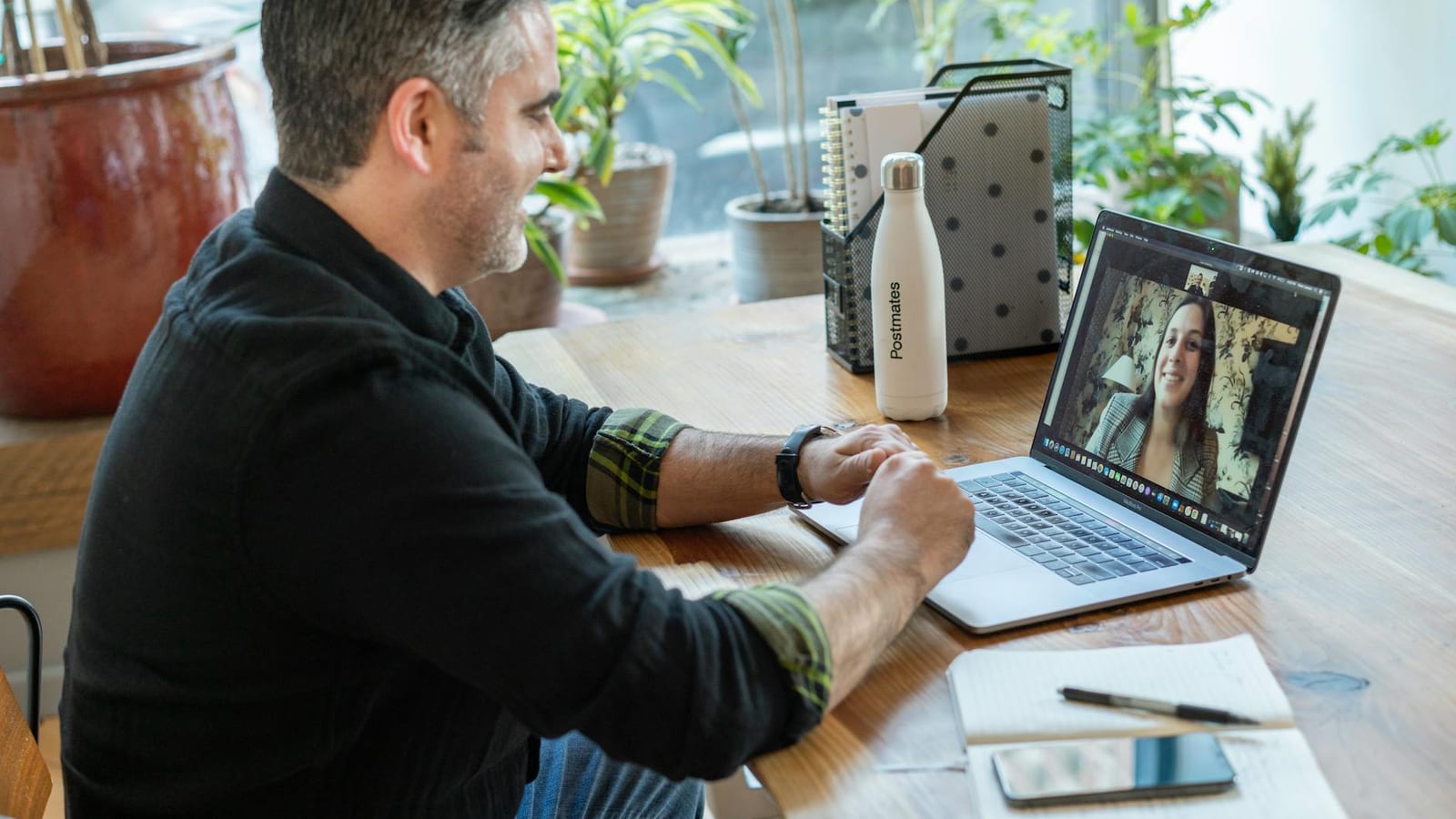
A video call from customer support should not empty someone’s savings.
That is now the uncomfortable reality in crypto. A fake executive can appear on screen, speak smoothly, copy a company backdrop, and pressure a user into sharing login details. The person may not exist at all.
For Binance Holdings Limited, better known as Binance, this has turned into a machine-versus-machine fight. Fraudsters are using artificial intelligence to cheat users. The exchange says it is using AI to stop them first.
Deepfakes have changed crypto fraud
Old crypto scams were often clumsy. A bad link, a strange email, or a fake investment promise gave users some warning.
The newer attacks look far more convincing. Criminals can create deepfake videos, clone voices, and run chatbots that speak like trained support staff. They do not need one person to trick one victim. They can run thousands of attempts at once.
Industry estimates put global crypto scam losses in 2025 at about $17 billion. In the United States alone, the FBI reported crypto scam losses crossing $11 billion that year.
That number matters for Indian readers too. Many young investors here entered crypto through mobile apps, social media tips, and online communities. A smooth fake call can feel more believable than a suspicious email.
Chainalysis has linked AI tools to a 17 percent rise in crypto scam profits in 2025. These tools include face-swap software and large language models. Put simply, criminals now have software that can mimic people, write persuasive messages, and adjust its pitch quickly.
That makes the usual advice feel thin. “Do not click suspicious links” still matters. But what happens when the scammer looks and sounds like a real company employee?
Binance puts AI on defence
Binance says it blocked $10.53 billion in suspicious and fraudulent transactions between the first quarter of 2025 and the first quarter of 2026.
The exchange says its systems protected more than 5.4 million retail and institutional users during that period. In the first quarter of 2026 alone, it says it stopped 22.9 million scam and phishing attempts.
That quarter, Binance says, helped protect $1.98 billion in user funds. It also claims a 60 to 70 percent reduction in credit card fraud compared with common industry levels.
These are large claims, and they show the scale of the problem. Crypto exchanges do not face a few bad actors sitting in isolation. They face networks that test systems all day.
Binance says more than 100 machine learning models now help detect fraud on its platform. Machine learning means software studies patterns and improves by learning from new data.
The company says these models check transaction behaviour, device signals, network routes, and user activity. In normal English, the system asks many questions at once. Is this login unusual? Is this device risky? Is the money moving in a strange way?
Binance says AI now handles 57 percent of fraud detection on its platform. The point is speed. A human team can review cases, but software can flag danger within milliseconds.
Why users still remain exposed
Technology can stop many attacks. It cannot save a user who voluntarily hands over passwords, codes, or recovery phrases.
This is the awkward truth in digital finance. The strongest lock fails if someone convinces you to open the door.
A scammer may create panic by claiming that an account faces an urgent security issue. Then the user gets pushed to a fake website that looks like the real one. The user enters details, and the money can vanish quickly.
Binance says it treats user education as a core security layer. In the first quarter of 2026, its account takeover education programme trained more than 179,000 users.
These programmes focus on spotting fake support agents, deepfakes, phishing pages, and unusual account activity. They also warn users when behaviour resembles known scam patterns.
For ordinary investors, this matters more than technical language. If an app says “pause and verify,” it is not being annoying. It may be stopping a costly mistake.
Indian users should pay special attention here. Many people discuss investments on Telegram, WhatsApp, YouTube, and X. That makes impersonation easier. A fake admin or support agent can enter the conversation quietly.
The basic rule stays simple. No real exchange should ask for passwords, one-time codes, or private keys on a call. Urgency is often the scammer’s favourite weapon.
Recovery is the harder battle
Stopping fraud before money leaves is one fight. Getting stolen crypto back is another.
Binance says its internal recovery programmes helped recover $12.8 million in 2025. It says that marked a 41 percent improvement in recovery efficiency from the previous year.
The exchange also says it helped recover $131 million in illicit funds through work with outside platforms and law enforcement agencies worldwide.
That is useful, but it also shows the limit of recovery. Crypto moves across borders very quickly. Once funds pass through multiple wallets, recovery becomes slower and harder.
This is where the industry’s trust problem sits. Banks have chargebacks, dispute systems, and clear complaint channels. Crypto still feels confusing for many users when things go wrong.
Large financial institutions will not enter this market seriously unless security improves. They need systems that can match, or beat, traditional finance controls.
Binance’s AI push also protects its own business model. More users and institutions will trade only if they believe the platform can control fraud. Security is no longer a back-office issue. It is part of the product.
Still, users should not mistake AI protection for a guarantee. Fraudsters also learn. Every successful defence forces them to change tactics. Every new tool gives them another way to test people.
For the average investor, the lesson is practical. Treat every urgent crypto message as suspicious. Verify inside the official app or website. Never move money because a caller sounds convincing.
The next phase of crypto will not be decided only by prices, tokens, or trading volumes. It will be decided by trust. If exchanges can stop smarter scams, ordinary users may feel safer. If they cannot, even the best-looking app will feel like a locked room with too many hidden doors.