Centre Clears Rs 25,530 Crore Ration System Upgrade
The Rs 25,530 crore plan will fund transport support, upgraded ration shops and digital tracking to improve foodgrain delivery.
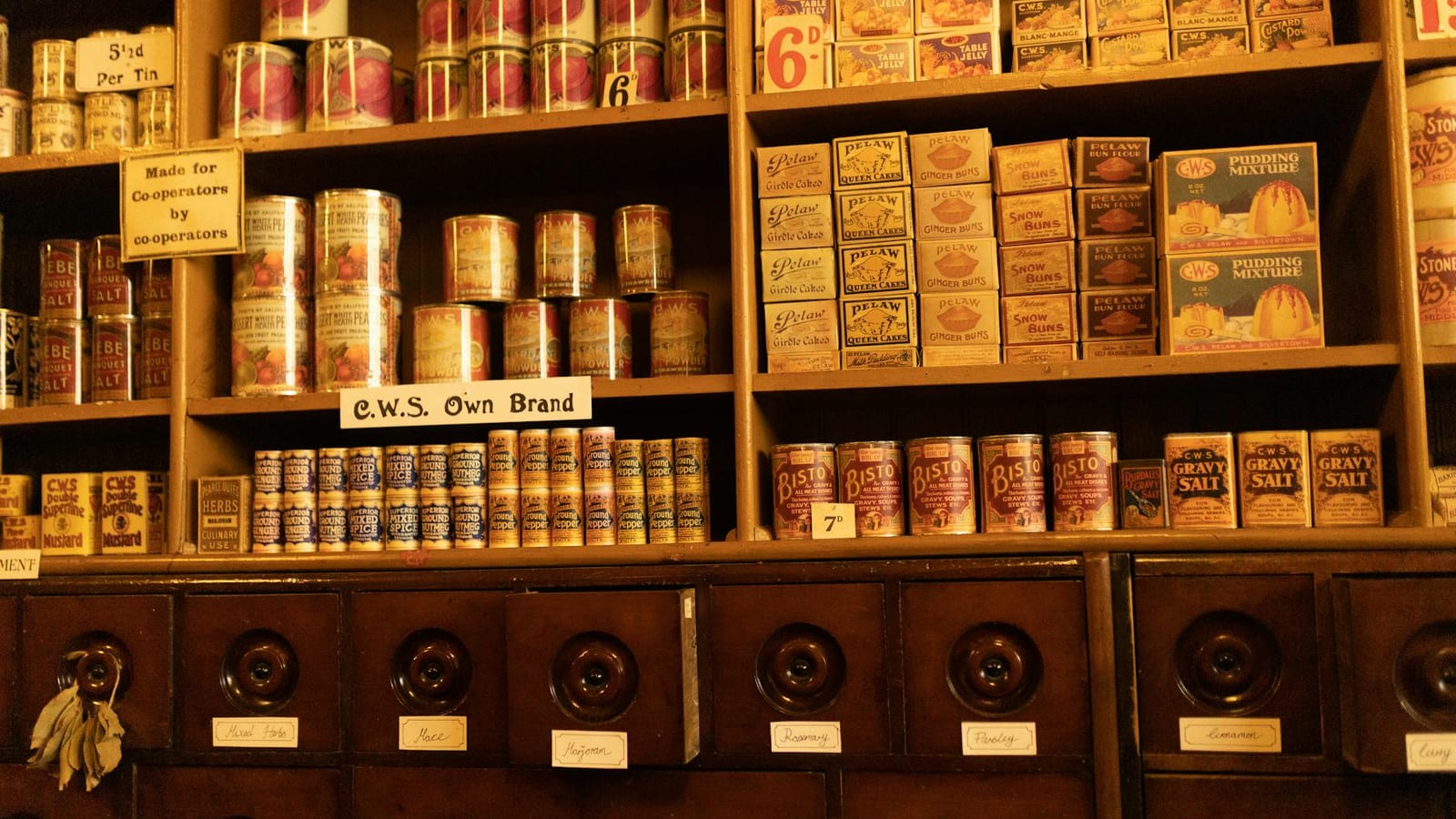
For 80 crore Indians, the monthly ration shop visit is not a small errand. It decides whether the kitchen can stretch through the month.
The Narendra Modi government has now cleared a ₹25,530 crore push to modernise India’s ration system. The money will go into transport support, better ration shops, and tighter digital tracking.
Union Minister Ashwini Vaishnaw said the aim is simple. Foodgrain must reach poor families on time, with less theft, less confusion, and fewer leakages.
Why the ration system matters
India’s public distribution system is one of the largest welfare networks in the world. Under the Pradhan Mantri Garib Kalyan Yojana, the Centre supplies foodgrain every month to about 80 crore people.
That number is not just a statistic. It covers daily-wage workers, small farmers, migrant families, and households where one lost job can upset the entire budget.
For many families, free or subsidised grain works like a monthly safety net. It does not solve poverty. But it reduces the pressure when prices rise or work becomes irregular.
The problem has always been delivery. Grain leaves government stocks, moves through state systems, reaches local shops, and then reaches families. Every step creates room for delay, damage, diversion, or paperwork trouble.
Centre backs SARTHAK PDS
The Union Cabinet has approved the continuation of SARTHAK PDS, a scheme meant to upgrade the public distribution system. The Centre has set aside ₹25,530 crore for this work.
The first big change concerns transport. The Centre will support states in moving grain from godowns to ration shops. This matters most in remote areas, where logistics can be costly and slow.
A ration card is useful only when the shop actually has grain. If trucks are delayed or storage fails, the poorest family pays the price first.
By sharing transport costs, the Centre hopes to reduce pressure on state departments. It also wants to make supply more regular, especially in hard-to-reach districts.
This is where policy meets the road, quite literally. A poor household does not care which government paid the bill. It only cares whether the wheat or rice arrives when promised.
Ration shops get a digital push
The second change focuses on fair price shops, the local ration outlets that most families deal with. These shops form the last link in the chain.
Vaishnaw said ration dealers had long asked for support. The government now plans to help them with digital devices, storage support, and possibly financial assistance.
This may sound routine, but the last-mile shop is often where the system succeeds or fails. If a shop has poor storage, grain quality suffers. If records stay messy, disputes rise.
Digital devices can help record who received grain and when. They can also reduce fake entries and make stock movement easier to track.
But technology alone will not fix everything. Many ration shops serve elderly citizens, migrant workers, and families with patchy documents. The system must stay simple for them.
A thumbprint machine or online dashboard looks efficient in Delhi. At a village shop, it must work during power cuts and weak internet too.
Tracking grain from godown to shop
The third change is the widest one. The government wants to modernise the public distribution system through automation, online monitoring, smart devices, and digital tracking.
In plain English, this means officials want to see where grain is moving, where it is stuck, and whether it reaches the correct shop.
This can help curb black marketing. When grain disappears from the chain, poor families lose and middlemen gain. Digital tracking can make that harder.
It can also help states spot shortages earlier. If a shop runs low, the department should know before families start making repeated visits.
For small ration shop owners, this shift brings both help and pressure. Better devices and support may improve business operations. But stricter tracking also means fewer excuses when stock records do not match.
That is not a bad thing. Public foodgrain belongs to the people. The state has a duty to protect it from leakage.
The real test is delivery
The ₹25,530 crore allocation shows that the government sees the ration system as critical infrastructure. It is not only welfare. It is also logistics, data, storage, and trust.
India has seen this pattern before. Big welfare schemes usually improve when money, technology, and accountability move together. They fail when one part races ahead and the others lag.
The government’s stated goal is to make food supply more transparent and modern. That is welcome. But the real test will happen outside press briefings.
It will happen when a worker’s family visits the ration shop after a long day. It will happen when a shopkeeper checks stock without confusion. It will happen when a remote village gets grain on schedule.
For ordinary readers, this decision may feel distant. But food security is never distant in India. It sits inside household budgets, school tiffins, and the quiet calculations families make every month.
If the reforms work, the ration system can become less leaky and more dependable. If they do not, the same old queues will remain, only with newer machines on the counter.