Centre lets PNG users keep LPG connection as backup
New LPG rules allow households shifting to piped natural gas to retain cylinder connections, easing worries for renters and families who may move.
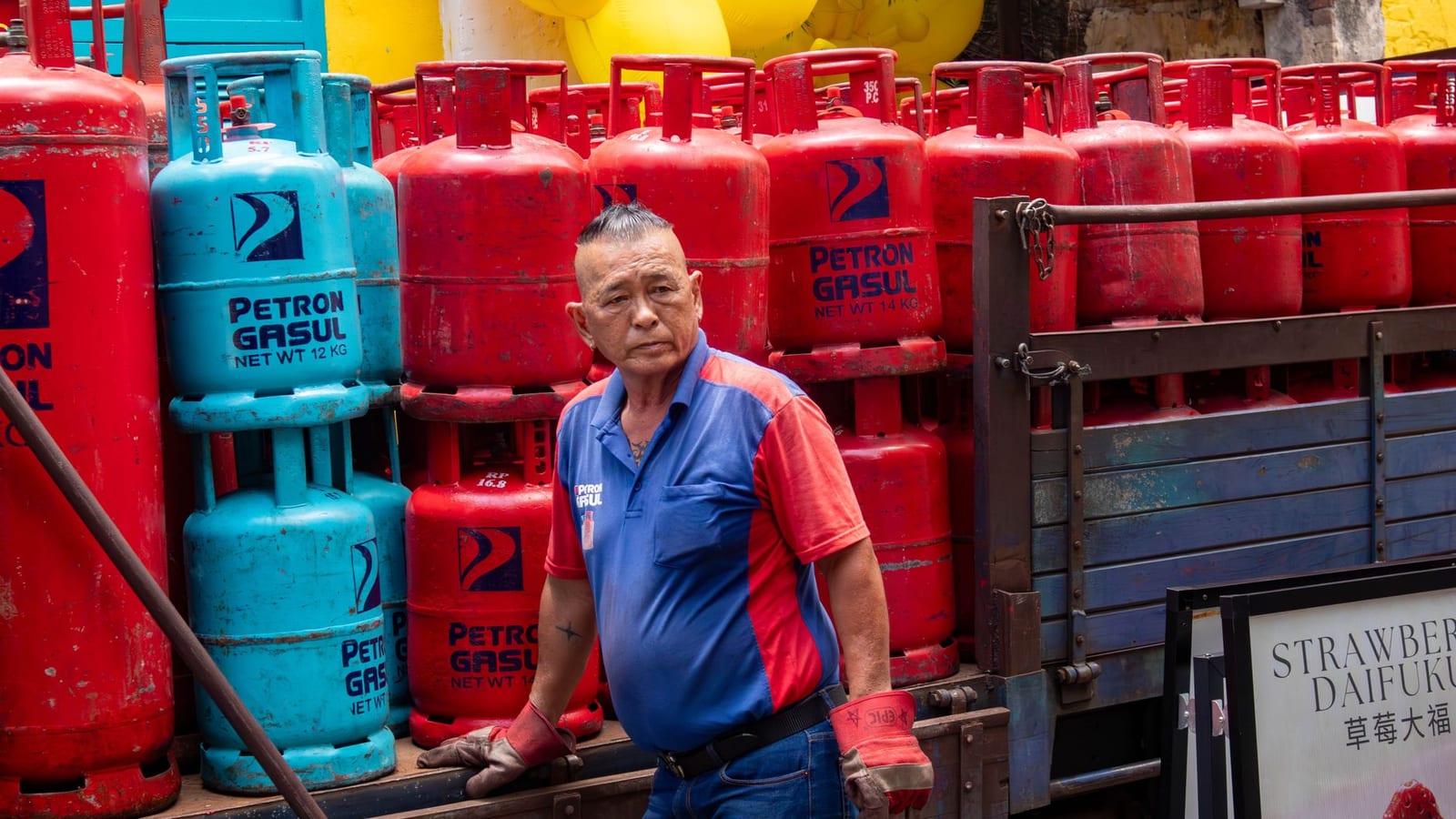
A gas cylinder sitting in a corner of the kitchen has always meant more than cooking fuel. For many Indian families, it is backup, security, and sometimes the difference between dinner being made calmly or with panic.
That is why the Centre’s new LPG rule matters. It looks like a small paperwork change. But for families moving between cities, renters, students, and salaried workers with transferable jobs, it removes a familiar worry.
Under the new rule notified on May 25, 2026, households that shift to piped natural gas will not have to fear losing their LPG connection forever.
PNG users get a safety net
The Central government has notified the Liquefied Petroleum Gas Amendment Order, 2026. The change deals with a practical problem in urban homes where piped natural gas, or PNG, is spreading.
Until now, many households hesitated before giving up their LPG cylinder connection. The fear was simple. If they moved to a place without PNG later, they might have to start the whole LPG connection process again.
That meant fresh paperwork, possible deposits, address proof issues, and the usual running around between agency counters.
The new rule gives such customers two clear choices. Once PNG starts at home, a consumer can apply to cancel the old LPG connection within 30 days.
Or the customer can take a transfer voucher from the gas company. This voucher works like a record of the old connection. If the family later moves to a city, town, or locality without PNG, it can use the voucher to restart LPG service.
In plain English, the customer is not trapped. You can shift to piped gas today and still keep a door open for LPG tomorrow.
Why this matters for households
For a settled family in a metro, this may sound like a small benefit. But India does not live in one fixed address.
A bank employee may move from Mumbai to Nagpur. A central government worker may shift from Pune to a smaller district. A young family renting in Thane may later move to a township where PNG has not arrived.
For all these people, a cooking gas connection is not just a utility. It is part of setting up a working home.
Piped natural gas has grown quickly in big cities because it is convenient. There is no booking cylinder refills, no waiting for delivery, and no need to store a metal cylinder inside the kitchen.
Many consumers also see PNG as safer and cheaper than LPG. It comes through a pipeline, and billing usually reflects actual usage.
But PNG’s reach is still uneven. One side of a city may have it. A nearby suburb may not. A new rental flat may have a pipeline. The next house may still depend on cylinders.
That uneven map created the anxiety. People knew PNG was useful, but they did not want to surrender an LPG connection and then struggle later.
This amendment recognises that Indian families move through mixed energy systems. The country is not switching from one fuel to another overnight.
The transfer voucher explained simply
The transfer voucher is the key part of the rule.
Think of it as proof that the customer had a valid LPG connection earlier. If the customer later lands in an area without PNG, the voucher helps restore the LPG connection quickly.
That matters because LPG connections involve deposits and documentation. A new consumer may need identity proof, address proof, and a security deposit. For renters, students, and migrant families, this can become irritating very fast.
With the voucher, the customer should not have to begin from zero.
This also helps people who move between cities for work. India’s formal workforce may look stable on paper, but job transfers are common in banking, insurance, government departments, sales teams, and private companies.
For such households, the gas connection is one of many small headaches during relocation. School admission, rent agreements, electricity meters, internet lines, and local transport already take enough time.
The new LPG rule removes at least one item from that list.
The bigger point is consumer choice. A household can use PNG when it is available and return to LPG when pipelines are absent. That flexibility fits India better than a rigid either-or system.
Gas companies face a cleaner process
For LPG distributors, the change could reduce confusion at the agency level. Earlier, customers moving from LPG to PNG often had doubts about what surrendering a cylinder meant.
Some wanted to keep the connection as backup. Others feared losing their deposit. Many did not know what would happen if they shifted house later.
A clear voucher system gives companies a better paper trail. It records that the customer has moved away from active LPG use but may need restoration later.
That should also help public sector oil marketing companies manage their customer base better. India’s LPG market has millions of domestic consumers, and even small rule changes can create large operational effects.
For city gas companies, the rule may also make PNG adoption easier. If customers know they are not permanently giving up LPG, they may shift with less hesitation.
That is good for pipeline gas expansion. It gives households comfort without forcing them into a permanent choice.
Still, execution will decide whether this rule becomes genuinely useful. Agencies must explain the voucher clearly. Consumers must know the 30-day cancellation window. The restoration process must be quick when families move to non-PNG areas.
A good rule can fail if the counter staff does not understand it. Indian consumers know this too well.
The bigger fuel transition story
India’s cooking fuel story has changed sharply over the past decade. More households moved away from firewood and kerosene. LPG became the mainstream urban and semi-urban cooking fuel.
Now, in larger cities, PNG is becoming the next step.
But the transition is patchy. Pipelines need city gas networks, permissions, infrastructure, and enough demand. That takes time. A cylinder can reach a lane much before a pipeline does.
So the government’s move accepts a basic truth. India will run on both LPG and PNG for a long time.
Urban middle-class homes may prefer piped gas. Semi-urban homes may stay with cylinders. Migrant families may move between both several times in ten years.
This is why the amendment is not just about one cylinder. It is about making household energy less stressful.
For ordinary readers, the practical message is simple. If PNG comes to your building, check the new rules before surrendering your LPG connection. Ask the gas company about the transfer voucher. Keep the document safely if you expect to move.
The policy will matter most when life changes, not when everything is settled. A new job, a rented flat, a transfer order, or a move back to a smaller town can quickly expose gaps in basic services. With this rule, at least cooking gas should be one less thing for families to worry about.