Centre lets PNG users retain LPG connection on move
New LPG amendment lets households that install PNG either keep or cancel their cylinder connection, easing moves across rented homes and cities.
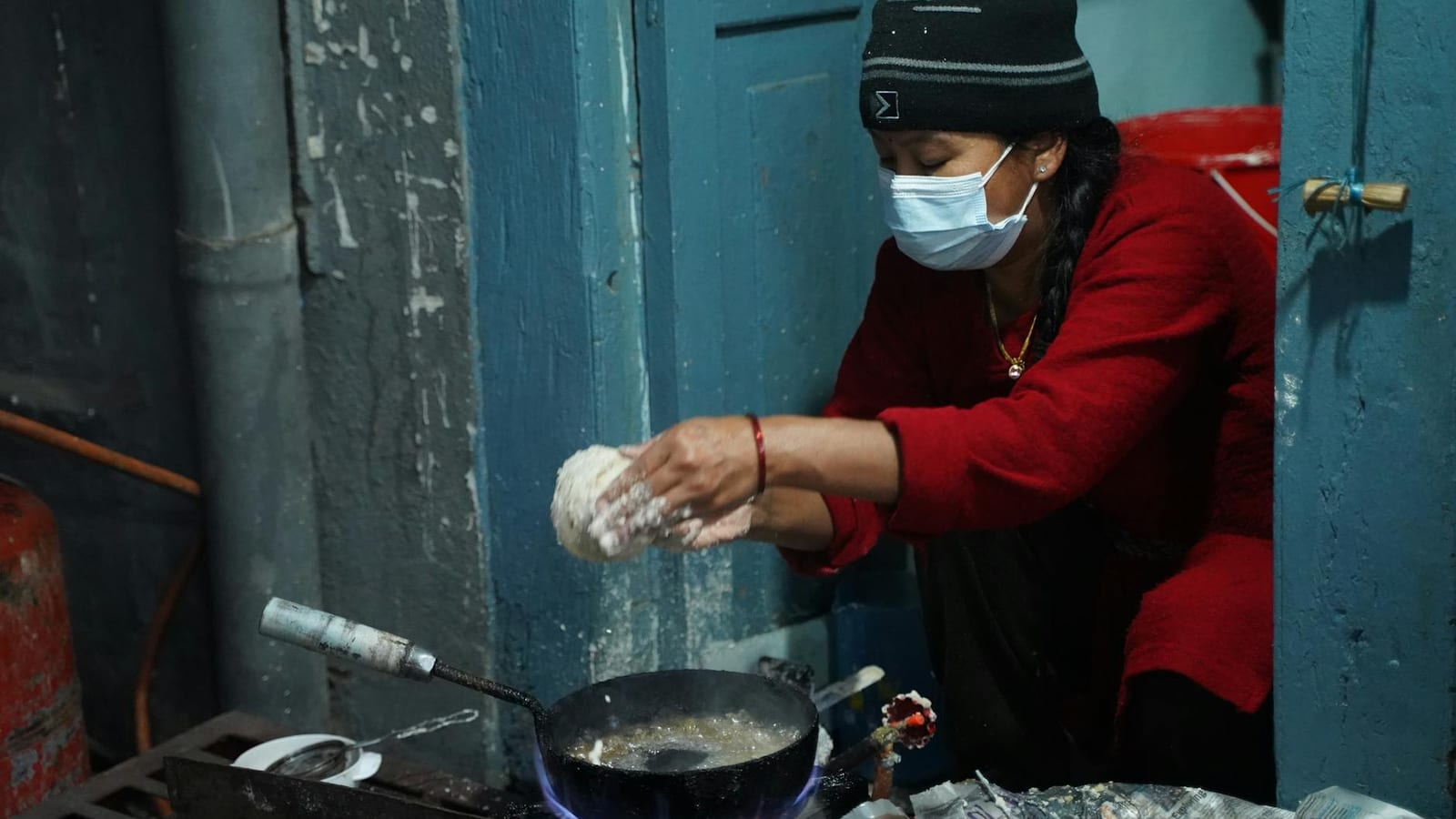
A family that shifts cities should not have to treat cooking gas like a fresh bureaucratic battle. That is the simple idea behind the Centre’s new LPG rule.
For years, many urban households faced a small but real worry. If they moved from an LPG cylinder to piped gas, would they lose an old connection they might need later?
The Government of India has now tried to settle that anxiety. On May 25, 2026, it notified the Liquid Petroleum Gas Amendment Order 2026, giving households more flexibility when they shift to piped natural gas.
LPG users get a safety net
The new rule helps customers who already have an LPG cylinder connection and install a PNG connection at home.
Earlier, many consumers feared a hard choice. If they surrendered the cylinder connection after moving to piped gas, they could struggle later.
That matters because Indian families move often. Job transfers, rented homes, student housing, and family needs can quickly change where people live.
Under the amended rule, consumers now get two clear options. They can either cancel the old LPG connection or keep a route open for future restoration.
If they want cancellation, they can apply to their gas agency within 30 days of starting the PNG connection.
The second option is more useful for mobile households. Customers can take a transfer voucher from the gas company.
Transfer voucher changes the calculation
The transfer voucher works like proof of an old connection. It lets a customer restore LPG later if they move somewhere without piped gas.
That may sound like a small administrative fix. In practice, it removes a common middle-class headache.
A family shifting from Mumbai to a smaller town may not find PNG in its new neighbourhood. A transferred employee may get company housing where piped gas is unavailable.
Without this option, they could face fresh paperwork, security deposits, and delays for a new cylinder connection.
The voucher gives them a cleaner path back. They can show it and restart the LPG connection instead of beginning from zero.
For tenants, this is especially useful. Many renters do not control what kind of gas connection a building has.
One landlord may offer piped gas. The next house may depend on cylinders. The new rule accepts that people’s lives are not fixed to one kitchen.
Why piped gas is spreading
PNG networks have expanded across many large Indian cities. Gas companies see it as cleaner, easier, and more convenient for dense urban areas.
For households, piped gas removes the need to book cylinders. It also avoids waiting for delivery and managing heavy cylinders at home.
Many families also see PNG as safer because gas reaches the home through a fixed pipeline system.
Cost is another reason people shift. In many cities, piped gas can feel cheaper and steadier for regular cooking use.
But India’s gas network still has gaps. Piped gas has grown, but it has not reached every town, suburb, or rental cluster.
That is why the old rule created uncertainty. Consumers liked PNG, but they did not want to cut off LPG completely.
The Centre’s amendment recognises this half-way reality. India is moving toward piped gas, but cylinders remain essential for millions.
Middle-class mobility is the real story
This rule is not only about fuel. It is about how Indian households now live and move.
A bank employee may shift cities every few years. A young professional may rent near office today and move after a job change.
Students often move between hostels, paying guest rooms, and rented flats. Migrant families may return to semi-urban or rural areas.
For all these groups, a cooking gas connection is not a luxury. It is a basic part of setting up a home.
When the system forces people to repeat the same paperwork, it quietly raises the cost of mobility.
Security deposits, address proof, agency visits, and waiting periods can hit families at exactly the wrong moment.
The new voucher system reduces that friction. It tells customers they can try PNG without permanently giving up LPG access.
That is also good for gas companies. More households may shift to piped gas if they do not fear losing their cylinder fallback.
The fine print still matters
The rule gives customers a right, but execution will decide its value. Gas agencies must explain the two choices clearly.
Consumers should not discover the transfer voucher only after cancelling the LPG connection. That would defeat the purpose.
The 30-day window for cancellation also needs clear communication. Households should know when the clock starts and what documents they need.
Gas companies will need simple forms and quick processing. Otherwise, a useful reform can become another counter-to-counter exercise.
The Centre has addressed the biggest fear, but the next test sits at the local distributor’s desk.
For ordinary readers, the takeaway is straightforward. If your home gets piped gas, do not rush blindly to surrender your cylinder connection. Ask your gas agency about the transfer voucher, keep the paperwork safely, and treat it like insurance for your kitchen. In a country where jobs, rents, and family needs can change fast, that small slip of paper may save a lot of trouble later.