Diesel Shortage Puts Gujarat Salt Harvest at Risk
Salt workers in the Little Rann of Kutch warn that a diesel crunch could delay transport and expose stock worth about Rs 250 crore to rain.
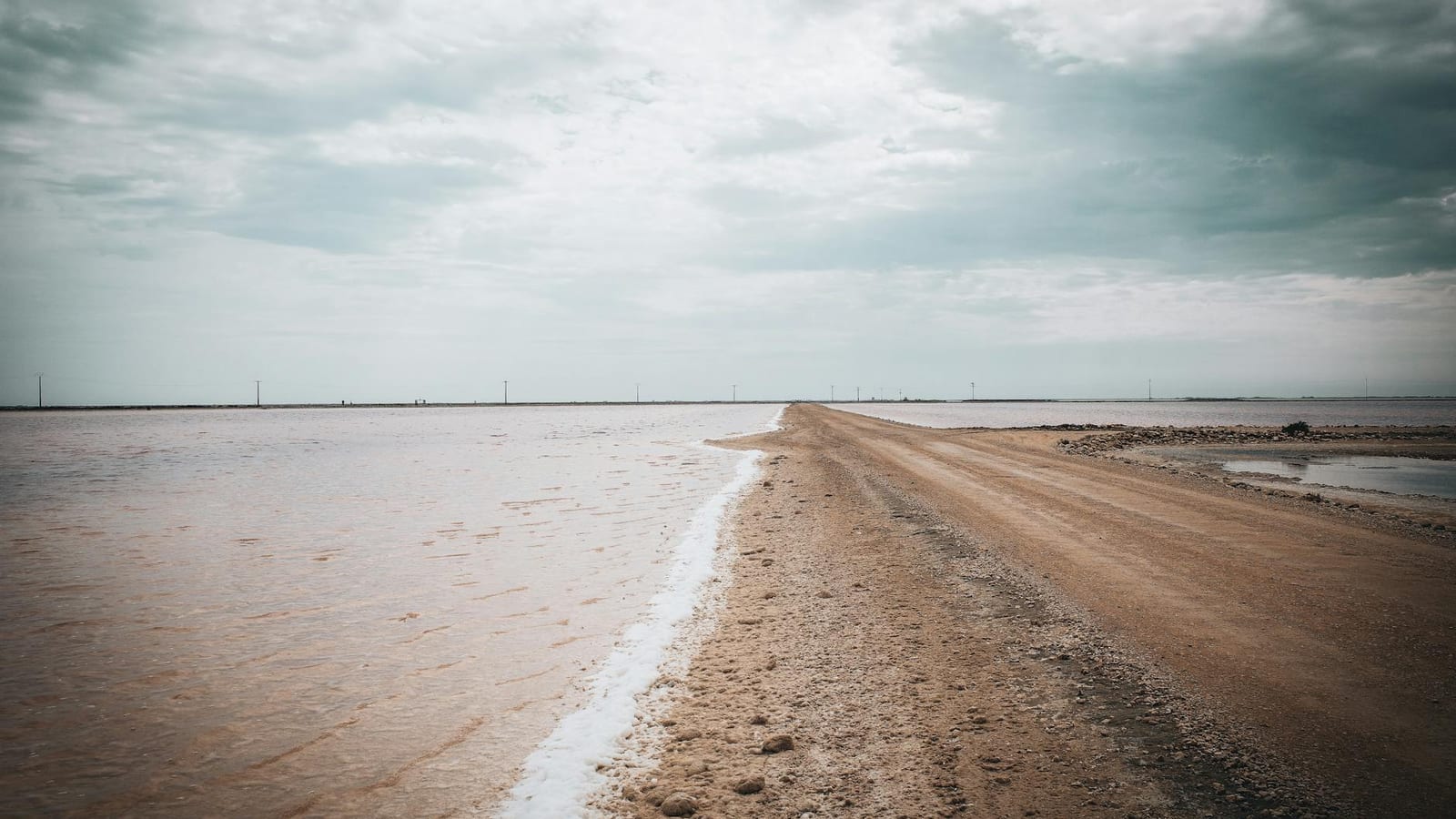
A diesel pump going dry can look like a small problem in a city. In Gujarat’s salt belt, it can trap an entire season’s work in the desert.
That is the worry now in the Little Rann of Kutch, where salt workers say a diesel shortage has hit transport from salt pans to storage yards. If rain arrives before the stock moves, local estimates fear losses of around ₹250 crore.
This is not just about fuel. It is about families who spend months in harsh heat, waiting for one narrow window to earn.
Salt workers face a fuel squeeze
The Little Rann of Kutch is one of India’s toughest workplaces. Salt workers, widely known as agariyas, spend long months in dry, punishing conditions.
Their work depends on timing. Brine turns into salt under the sun. Then tractors and vehicles move the salt from pans to collection points. Diesel keeps that chain alive.
Now that chain has slowed. Workers say they cannot move salt from the pans to the storage heaps because fuel is not available in enough quantity.
That may sound like a transport issue. In reality, it is a cash-flow issue, a weather issue, and a survival issue rolled into one.
Rain could turn stock worthless
Salt has one simple enemy: untimely rain. Once showers hit exposed stock, the damage can be swift and costly.
That is why the timing matters so much. Gujarat has already seen heat crossing 40 degrees Celsius in several cities. But the season is moving toward the monsoon clock.
For agariyas, every delayed trip now carries risk. A pile of salt that should become income can become waste if the rains catch it in the open.
The reported fear of ₹250 crore in losses is large. But the pain will not fall only on one balance sheet. It will spread across workers, contractors, transporters, small suppliers, and local traders.
A salt worker does not have the cushion of a big company. One bad season can disturb school fees, medical bills, debt payments, and household spending.
Congress turns shortage political
The Congress has demanded diesel supply for salt workers. Party workers also staged protests over the shortage in Surendranagar, carrying empty containers as a symbol of the crisis.
The politics is easy to spot. Fuel shortages always become public anger quickly, especially when livelihoods sit on the line.
But beyond the protest visuals, the question is practical. Who ensures fuel supply when a local economy depends on seasonal movement?
The state cannot treat salt production like routine freight. It works on a short calendar. Delay has a direct cost.
Gujarat’s salt economy may look old-fashioned from a city office. But it feeds real demand across households, food companies, chemical units, and small businesses.
When movement stops at the production end, the pressure travels quietly through the supply chain.
Why diesel still matters
India talks a lot about clean energy and modern logistics. Yet large parts of the rural economy still run on diesel.
In places like the Little Rann, diesel is not just a fuel. It is the difference between stock reaching the market and stock getting stranded.
Electric alternatives are not easy in such terrain. Charging networks, road conditions, vehicle availability, and upfront cost all matter.
So when diesel supply tightens, the weakest link suffers first. That is usually the small worker, not the big buyer.
A large trader can wait, renegotiate, or shift sourcing. A worker at the salt pan cannot ask the monsoon to wait.
This is the part policy often misses. A shortage does not hurt everyone equally. It hurts hardest where people have the least room to absorb delay.
Gujarat’s wider business lesson
Gujarat is often discussed through ports, factories, finance hubs, and industrial corridors. That picture is real, but incomplete.
The state also runs on smaller, rougher economies. Salt is one of them. It employs people who work far from formal offices and market screens.
Their business risk is not a quarterly result. It is fuel supply, weather, transport, and the price they get after months of labour.
The present diesel shortage shows how fragile that chain can be. One missing input can put an entire harvest at risk.
For consumers, the impact may not show up immediately. Salt is cheap, common, and taken for granted. That is exactly why the workers behind it stay invisible.
But for the families in the salt belt, this is not a small disruption. It is the season’s earnings sitting under the sky, waiting for diesel before the clouds arrive.
The immediate answer is simple: get fuel to the workers before the rains do. The larger answer is harder. Gujarat needs systems that see seasonal workers before a shortage becomes a crisis. That is where the real test lies.