Dussehra 2024 lifted festive demand across markets
Dussehra on 12 October 2024 brought rituals, Ravan Dahan events and crowded markets together, giving small businesses an early festive boost.
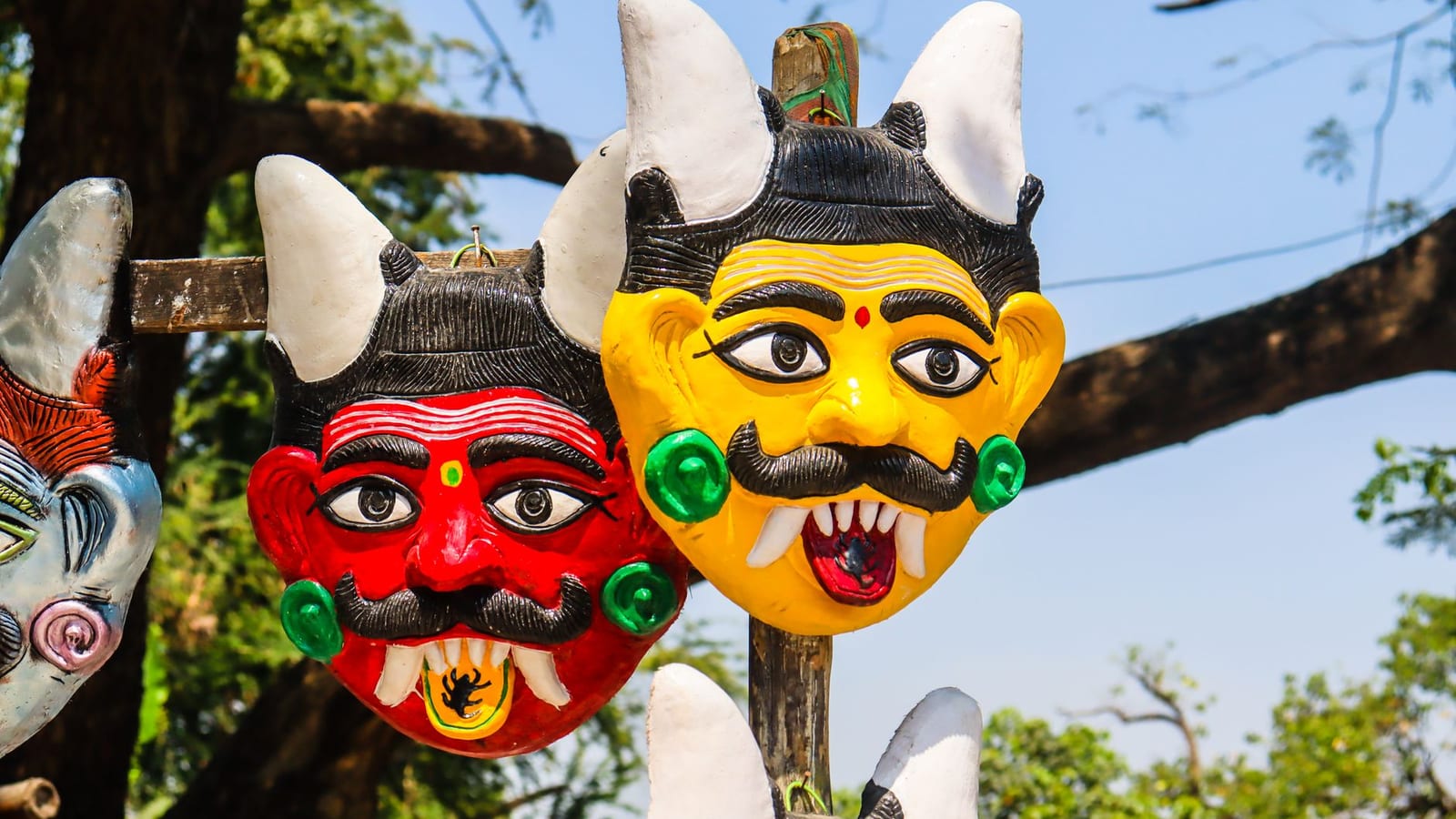
On 12 October 2024, Dussehra was not just a ritual date on the calendar. It was a busy evening for markets, pandals, sweet shops, transport workers, flower sellers, and families planning one more festive outing before Diwali.
Across India, Dussehra carries that rare mix of faith, theatre, and local commerce. One side has prayers, weapons worship, and old stories of victory. The other has neighbourhood fairs, food stalls, temporary workers, and crowded shopping lanes.
For many small businesses, this festival marks the real start of the big festive spending season.
Why this Dussehra date mattered
In 2024, Dussehra fell on Saturday, 12 October. The Dashami tithi began at 10.58 am on 12 October and ended at 9.08 am on 13 October.
That timing mattered for families who follow the Hindu calendar closely. It also mattered for organisers planning Ravan Dahan events in the evening.
The Shravan nakshatra began at 5.25 am on 12 October and ended at 4.27 am on 13 October. Many households treat these timings as useful markers for puja and family rituals.
Dussehra is also known as Vijayadashami. The festival marks the victory of good over evil. In the Ramayana tradition, Lord Ram kills Ravan and frees Sita. In another tradition, Goddess Durga defeats Mahishasur.
These stories still shape public life in very practical ways. They decide when shops open, when families travel, and when local grounds fill up.
Puja timings families followed
According to Drik Panchang, the Vijay Muhurat for Shastra Puja, Aparajita Puja, and Shami Puja was from 2.02 pm to 2.48 pm. That gave worshippers a 46-minute window.
The broader afternoon puja period ran from 1.16 pm to 3.35 pm. That gave families more time to complete rituals without rushing.
Ravan Dahan is traditionally preferred during Pradosh Kaal, the period after sunset. In 2024, the favourable time was from 5.53 pm to 7.27 pm.
That evening slot is also when the public face of Dussehra comes alive. Local grounds see giant effigies, police barricades, children with balloons, and vendors selling snacks.
For a family, it may be a religious outing. For a hawker, it can be one of the best sales evenings of the month.
The business behind the festival
Dussehra rarely appears in business pages as a balance-sheet story. But on the ground, it feeds a wide festive economy.
Effigy makers get seasonal work. Bamboo suppliers, paper traders, painters, decorators, electricians, sound vendors, and transporters all join the chain.
Sweet shops prepare for higher footfall. Flower sellers stock marigold garlands. Toy sellers and food carts depend on evening crowds near Ravan Dahan grounds.
Then come the larger retail signals. Dussehra opens the emotional runway to Diwali, which follows about 20 days later. Many Indian families begin serious festive buying around this period.
Cars, two-wheelers, electronics, gold, clothes, and home items often see higher interest. Even people who do not buy on the exact day use this period to compare prices.
For businesses, the festival is not only about faith. It is about timing demand, managing stock, and catching consumer mood before Diwali peaks.
Rituals meet modern spending
Dussehra puja at home is simple in many households. Families place a clean red cloth on a wooden platform. They install images of Lord Ram and Goddess Durga.
Rice coloured with turmeric may be used for a swastik. Some families worship Lord Ganesh and the nine planetary deities. Fruits, flowers, sweets, and prayers follow.
Many people also donate food, clothes, or money according to their means. That quiet act remains one of the festival’s strongest social threads.
Shastra Puja has also evolved with time. Earlier, it meant worshipping weapons or tools of work. Today, people worship vehicles, factory machines, laptops, account books, and shop counters.
That tells you something about India’s changing economy. The idea remains old, but the tools have changed.
A mechanic may clean his garage tools. A small trader may reopen account books with prayers. A young professional may place a laptop near the puja space.
This is where the festival feels deeply Indian. Faith does not sit away from work. It enters the shop, office, workshop, cab, and factory floor.
Why ordinary people still care
Some may see muhurat details as purely religious. But for millions, these timings help organise family time and community life.
A clear evening Ravan Dahan window helps organisers manage crowds. Police and municipal teams can plan traffic. Vendors know when to reach the venue.
Parents decide when to take children out. Elderly family members plan puja before sunset. Shopkeepers adjust business hours around local events.
The festival also gives people a language for hope. After months of inflation, uncertain jobs, or tight household budgets, festivals offer a sense of renewal.
That does not mean every family spends freely. Many households now compare prices, wait for discounts, and buy only what they need.
Businesses know this too. Festive demand is strong, but Indian consumers have become careful. They want value, not just festive noise.
Dussehra 2024, then, was more than a date of worship. It was a reminder of how India’s economy often moves through its festivals. The prayers are old, the markets are modern, and ordinary people stand at the centre of both.