Dussehra 2024 Muhurat Sets Puja And Ravan Dahan Plans
Dussehra 2024 fell on October 12, with Vijay muhurat guiding Aparajita Puja, Shami Puja, Shastra Puja and Ravan Dahan schedules.
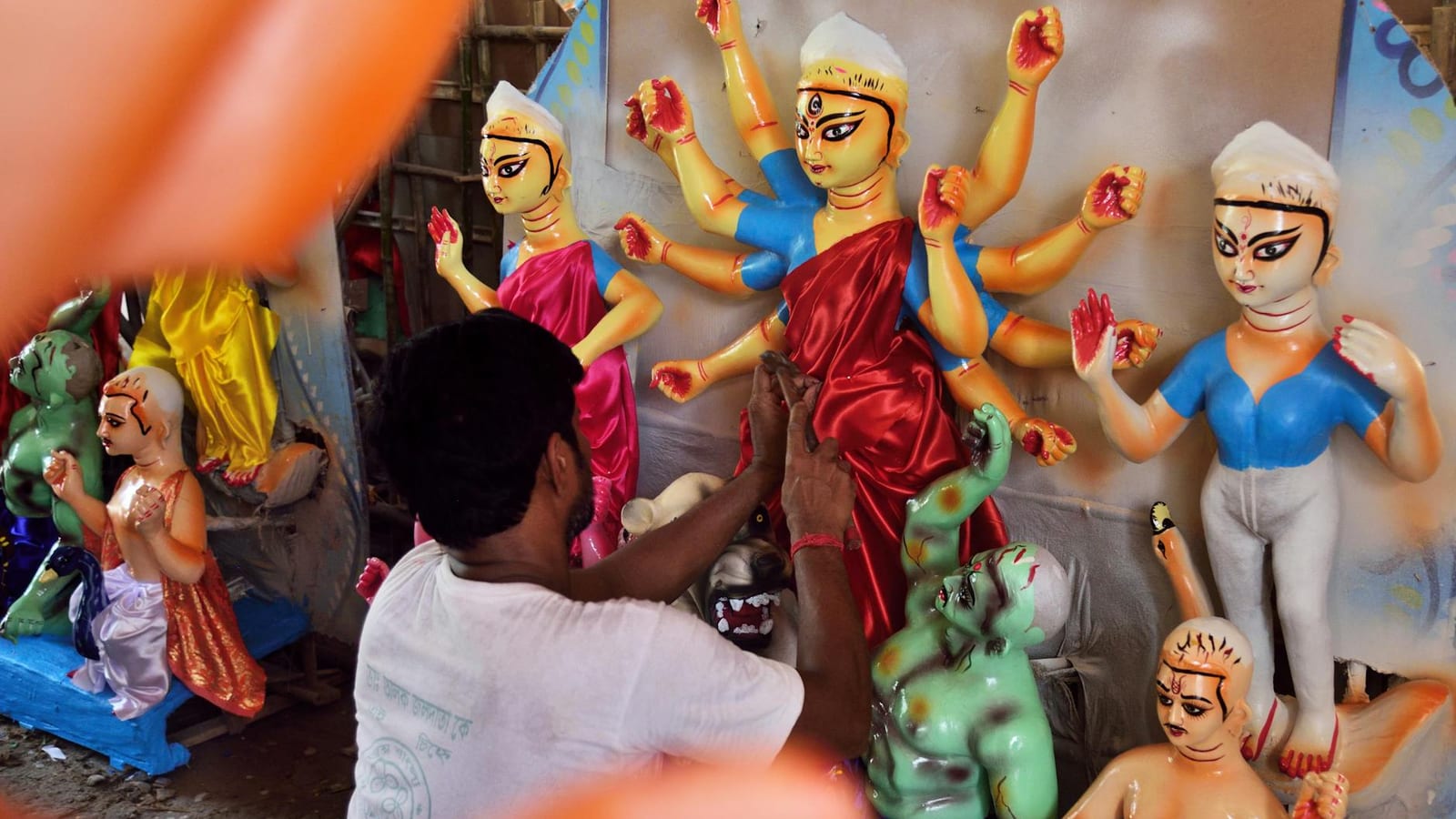
The biggest festival decisions often happen in small windows of time. On Dussehra 2024, that window was barely 46 minutes for some families.
Across India, the day was not only about watching Ravana effigies burn. It was also about shops opening after puja, tools being worshipped, sweets being bought, and families planning the evening around one question: what is the right time?
Dussehra, also known as Vijayadashami, fell on Saturday, October 12, 2024. The festival marks victory, of good over evil, discipline over ego, and courage over fear.
The timings families watched closely
The Dashami tithi began at 10:58 am on October 12, 2024. It ended at 9:08 am on October 13, 2024.
Shravan nakshatra began earlier, at 5:25 am on October 12. It continued till 4:27 am on October 13.
For many households, these timings shape the rhythm of the day. People plan puja, travel, shop visits, and community events around them.
Drik Panchang listed the Vijay muhurat from 2:02 pm to 2:48 pm. This 46-minute period was considered suitable for Shastra Puja, Aparajita Puja, and Shami Puja.
The broader afternoon puja window ran from 1:16 pm to 3:35 pm. That gave families a little more room, especially in busy cities.
Ravana Dahan was considered best during Pradosh Kaal, the evening period after sunset. The stated window for 2024 was 5:53 pm to 7:27 pm.
That timing mattered for organisers too. A local committee cannot simply light an effigy whenever it wants. It must manage crowds, fire safety, police permissions, lighting, sound systems, and families arriving after work.
Why this day reaches markets
Festivals in India rarely stay inside temples and homes. They spill into markets, transport, food stalls, tailoring shops, flower mandis, and neighbourhood grounds.
On Dussehra, demand comes from many directions at once. Families buy flowers, sweets, coconuts, cloth, idols, and puja material. Committees hire electricians, carpenters, sound operators, security staff, and decorators.
For a small trader, this day can bring a sharp sales bump. A mithai shop may see higher footfall. A flower seller may clear stock faster. A toy vendor outside a Ramlila ground may earn more in one evening than on a normal weekday.
That is why festival timings matter beyond faith. They influence when people leave home, when roads choke, and when markets peak.
The business chain is simple. A family performs puja in the afternoon, then steps out in the evening. That creates demand for transport, snacks, parking, and last-minute shopping.
Large companies track festivals for sales campaigns. Small businesses live them more directly. A kirana store owner, a tailor, or a street vendor feels the festival in cash flow, not in corporate slides.
Dussehra also marks a psychological turn in the retail calendar. It sits close to Diwali, when households usually spend more. Many families start big-ticket conversations around this period.
Some consider buying appliances. Some look at vehicles. Others plan home repairs, jewellery purchases, or gifts. The exact decision may come later, but the mood begins now.
The rituals behind the rush
The story behind Dussehra gives the day its emotional weight. Hindu tradition links it to Lord Ram defeating Ravana and rescuing Sita.
Another tradition connects the day to Maa Durga defeating Mahishasura. Both stories carry the same moral core. Power must answer to dharma.
That idea explains why people worship weapons, tools, books, machines, and vehicles on this day. For many, “shastra” no longer means only arms. It can mean the tool that feeds a household.
A mechanic may offer prayers to his spanners. A driver may decorate his vehicle. A shopkeeper may clean the cash counter. A student may place books before the deity.
This is where the ritual becomes deeply practical. People honour the instruments that support their work. They seek protection, discipline, and a clean start.
Shami Puja also holds a special place. The Shami tree has long carried symbolic value in Dussehra traditions. Families see it as linked to victory and auspicious beginnings.
Aparajita Puja, too, centres on strength and success. The word itself suggests one who cannot be defeated. For many families, that meaning matters more than any complex ritual detail.
The puja method remains simple in many homes. People place a clean red cloth on a small platform. They install images or idols of Ram and Durga.
They colour rice with turmeric, arrange offerings, and invoke Ganesh and the Navgrahas. Fruits, flowers, and sweets form the main offerings.
Many families also give something to those in need. That act keeps the festival grounded. Victory loses meaning if it does not create some kindness around it.
Ravana Dahan as public theatre
Ravana Dahan is the most visible part of Dussehra. It turns a religious story into a public gathering.
Children remember the height of the effigy. Parents remember the crowd. Vendors remember the rush. Organisers remember the safety checks.
The burning of Ravana carries a simple message. Ego, greed, and cruelty may look powerful, but they do not last forever.
That message has survived because it works at many levels. A child sees drama. A believer sees faith. A citizen sees a public reminder about conduct.
The event also shows how Indian festivals create shared civic space. People who may never enter the same home stand together in a ground. They watch the same flames and cheer the same ending.
For city administrations, this is also a management test. Roads need diversions. Fire teams need readiness. Police must handle crowd flow without killing the festive mood.
For businesses near major grounds, the evening can be intense. Food carts, toy sellers, balloon vendors, and small eateries often depend on such gatherings.
Nobody writes their names into big economic reports. Yet they form the base layer of the festival economy.
What ordinary readers should note
For households, the practical lesson is clear. Dussehra is easiest when the day gets planned early.
The main worship window in 2024 fell in the afternoon. Ravana Dahan followed in the early evening. Families that had both in mind could avoid the usual last-minute scramble.
People also need to treat muhurat timings with local context. Traditions can differ by region, family, and priestly guidance. A timing used in one city may not settle every household question.
Still, the larger meaning remains common. Dussehra asks people to look at what they value, what they depend on, and what they must defeat within themselves.
That may sound lofty, but the day keeps it very earthy. Clean your tools. Feed someone. Gather with your community. Teach children why the story matters.
And then, as the fire dies down, the season turns toward Diwali. For ordinary families and small businesses, that means hope, expense, pressure, and possibility, all arriving together.