Dussehra 2024 Puja Muhurat And Ravan Dahan Timings
Dussehra falls on October 12, 2024, with Vijay Muhurat from 2:02 pm to 2:48 pm for Shastra, Aparajita and Shami Puja before Ravan Dahan.
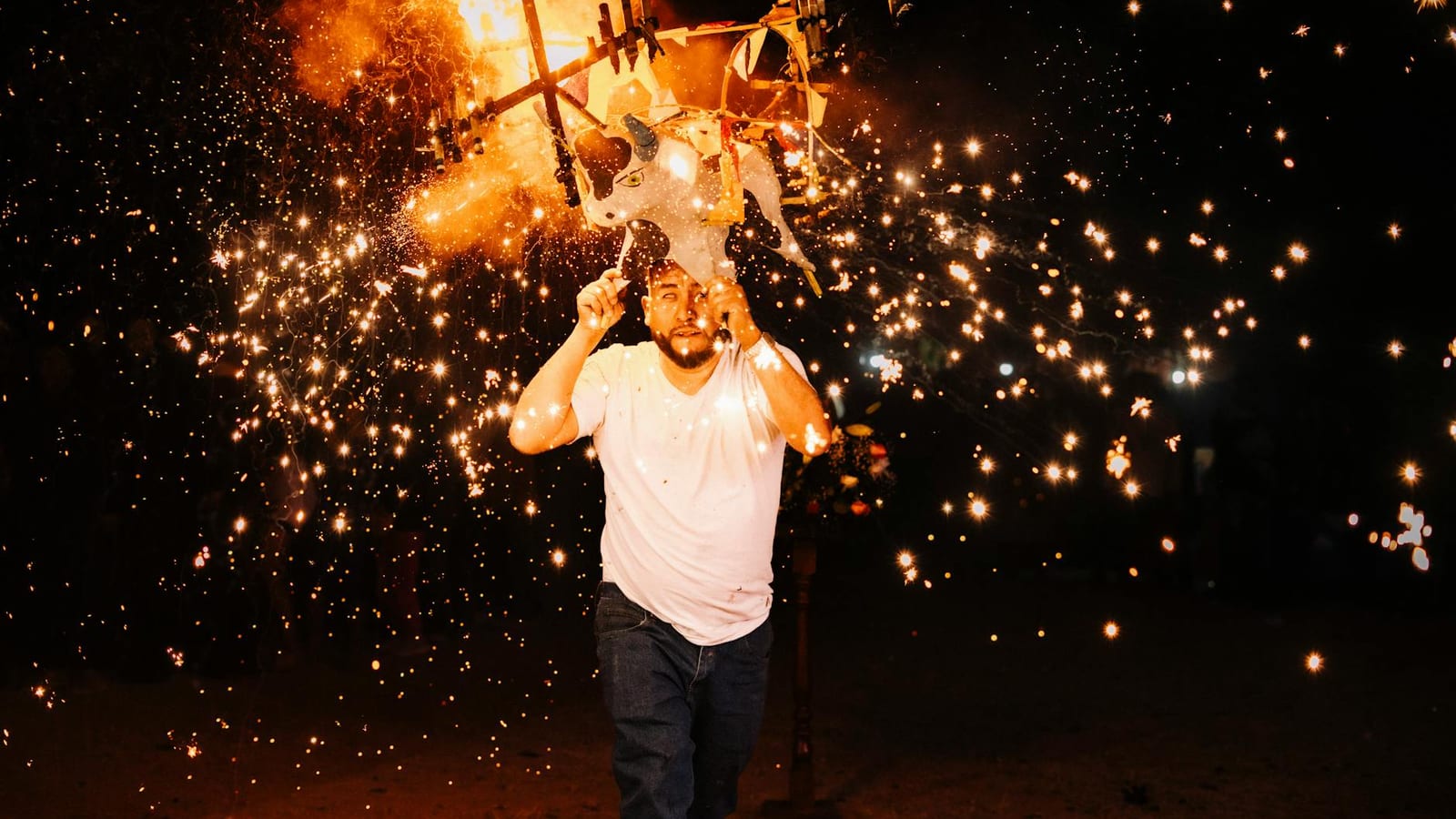
For many Indian families, Dussehra is not just a date on the calendar. It is the evening when children look up at burning effigies, markets stay busy, and homes prepare for one more festive stretch before Diwali.
This year, Dussehra falls on Saturday, October 12, 2024. The day marks the victory of good over evil, remembered through Lord Ram’s defeat of Ravan and Goddess Durga’s victory over Mahishasur.
The festival also carries a very practical rhythm. Families check puja timings. Traders worship tools. Workers clean machines. Many people begin new work, buy goods, or make donations.
Dussehra timings for October 12
The Dashami tithi begins at 10:58 am on October 12, 2024. It ends at 9:08 am on October 13, 2024.
The Shravan nakshatra begins earlier, at 5:25 am on October 12. It continues until 4:27 am on October 13.
As per Drik Panchang, the Vijay muhurat for Shastra Puja, Aparajita Puja, and Shami Puja runs from 2:02 pm to 2:48 pm. That gives devotees a 46-minute window.
The broader afternoon puja period is from 1:16 pm to 3:35 pm. This lasts for 2 hours and 19 minutes.
For Ravan Dahan, the preferred period is during Pradosh Kaal. This year’s suggested window is from 5:53 pm to 7:27 pm.
Why the evening matters
The evening Ravan Dahan is the public face of the festival. It is what many people remember first.
Across towns and cities, local grounds fill up before sunset. Families arrive early. Vendors sell snacks, toys, and balloons. Temporary markets do brisk business.
For small traders, this is not a small evening. Festival crowds can mean one of the best sales days of the season.
A toy seller near a local maidan, a sweet shop owner, or a food stall operator all depend on this festive footfall. Dussehra often works like a warm-up act before the bigger Diwali rush.
That is why timing matters beyond ritual. If Ravan Dahan happens in the early evening, families can attend comfortably. Shops also get post-event customers.
For city administrations, the same timing brings another job. They must manage crowds, fire safety, traffic, and temporary stalls.
So the festival sits at an interesting junction. It is faith, culture, and local commerce in one frame.
Puja traditions inside homes
Dussehra is also marked inside homes, not only at public grounds. Many families perform puja before stepping out for Ravan Dahan.
The usual method begins with a clean wooden platform. A red cloth is spread over it.
Images or idols of Lord Ram and Goddess Durga are placed on the platform. Rice is coloured yellow with turmeric.
The turmeric rice is then used to make a swastik. Lord Ganesh is invoked first, as is common in many Hindu rituals.
Some families also invoke the Navgrahas, or nine planetary forces. Offerings such as flowers, fruits, and sweets are made.
The day also carries a tradition of donation. Many households give food, money, or useful items to someone in need.
This part deserves attention. Festivals in India often bind worship with social duty. The idea is simple. Celebration feels incomplete unless someone else benefits too.
For business families, the day has another layer. Tools, vehicles, machines, weapons, books, and work instruments are worshipped.
That may sound symbolic, but it has a grounded meaning. People honour the means through which they earn a living.
A mechanic may worship his tools. A shopkeeper may decorate the cash counter. A driver may clean and garland the vehicle.
In that sense, Dussehra quietly respects labour. It says work is not separate from worship.
The stories behind Vijayadashami
Dussehra is also known as Vijayadashami. The name itself points to victory on the tenth day.
One popular belief links the festival to Lord Ram. Tradition says he defeated Ravan on the Dashami tithi of Ashwin Shukla Paksha.
That story is not only about war. It is about justice, restraint, duty, and the cost of arrogance.
The second story comes from the Durga tradition. It recalls Goddess Durga’s victory over Mahishasur.
Both stories carry the same moral centre. Evil may appear powerful for a time, but it does not get the final word.
This is why the burning of Ravan’s effigy remains so powerful. It turns an old story into a public reminder.
People watch the effigy burn and think of their own battles. Ego, greed, anger, fear, and dishonesty are not ancient problems. They sit inside modern life too.
For children, the lesson arrives as spectacle. For adults, it can arrive as a quiet nudge.
The festive economy begins here
Dussehra also starts the final sprint toward Diwali. Traditionally, Diwali comes 20 days after Dussehra.
For markets, that gap is crucial. Retailers begin stocking more aggressively. Sweet shops prepare for bulk orders. Garment stores expect heavier footfall.
Families also begin planning purchases. Some buy vehicles. Some book appliances. Some start home repairs.
In many parts of India, people see Dussehra as an auspicious day to begin something new. That belief often moves money through the economy.
The business impact is most visible at the local level. Big companies may track festival sales data. But the first sign appears in neighbourhood markets.
A kirana store sees more dry fruit and snack sales. A tailor gets last-minute work. A florist sells more marigold garlands.
This is why festivals matter to India’s economy in a very direct way. They create demand across layers, from organised retail to street vendors.
Yet the pressure also rises. Small businesses must manage inventory carefully. Too much stock can hurt cash flow. Too little can mean lost sales.
For workers, the season can mean longer hours. Delivery staff, shop employees, decorators, cooks, and transport workers often carry the festive rush.
That is the less visible side of celebration. Behind every bright market, someone is packing, cleaning, lifting, driving, and billing late into the night.
Dussehra 2024, then, is more than a ritual date with a list of timings. It is a reminder of how Indian festivals work. Faith gives the day meaning, markets give it movement, and ordinary people give it life. As families gather for puja and Ravan Dahan on October 12, the larger message stays simple. Renewal is not only about defeating evil outside. It is also about choosing better habits, fairer work, and a little more generosity before the next festival light comes on.