Dussehra 2024 Puja Muhurat Sets Off Festive Trade
Dussehra 2024 rituals, Ravan Dahan timings and Vijay Muhurat marked a key festive moment for families, priests and small retailers across India.
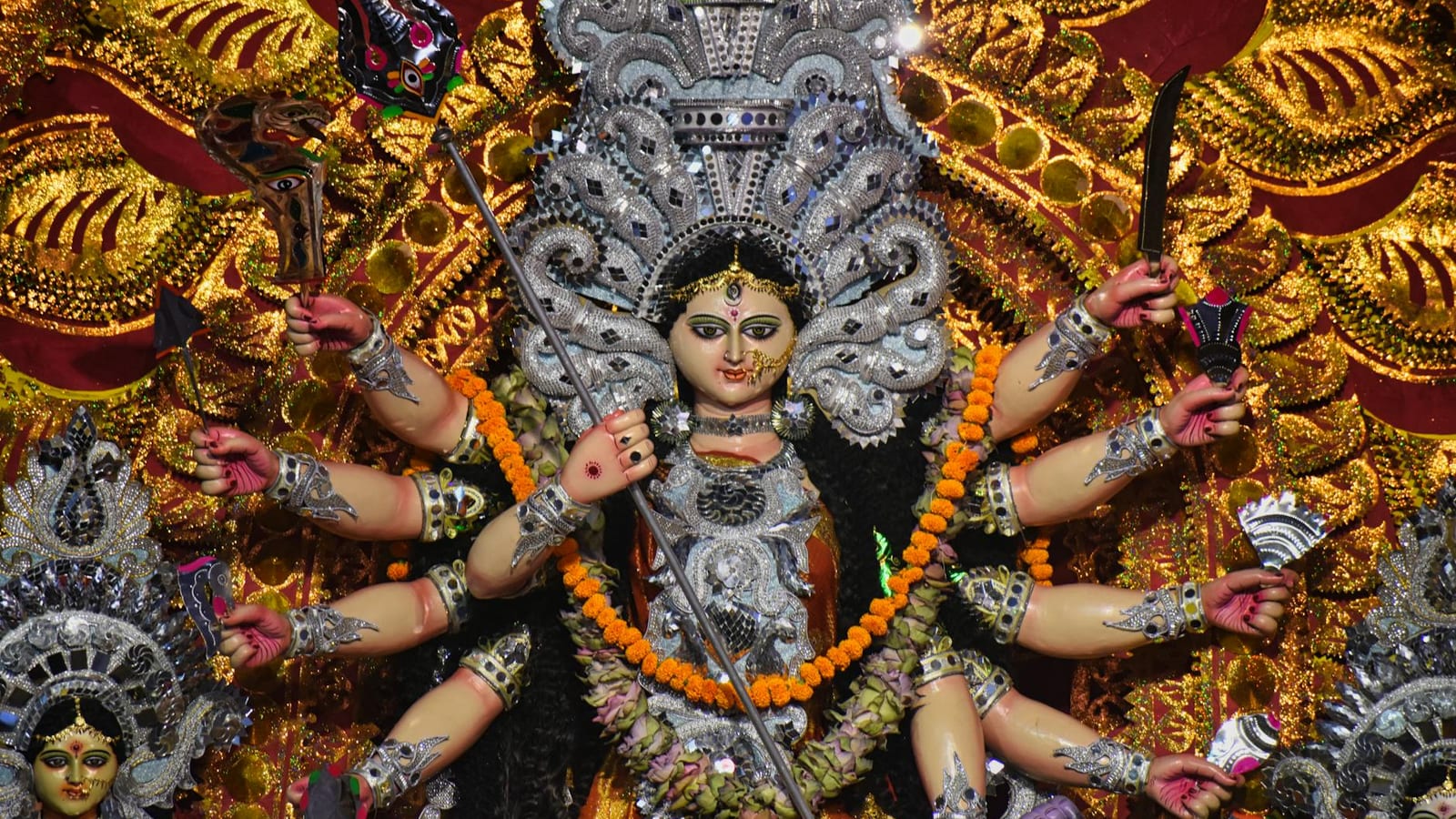
For many Indian families, Dussehra is not just a ritual evening. It is the day when children wait for the Ravan effigy to fall, traders reopen account books, and markets get their first real taste of the festive rush.
Dussehra 2024 fell on Saturday, October 12. The festival, also called Vijayadashami, marks the victory of good over evil in Hindu tradition.
The day also carries a clear business rhythm. Sweet shops, flower sellers, pandal workers, transport operators, priests, tailors, and small retailers all see the festival season gather pace from here.
Key timings for Dussehra 2024
The Dashami tithi began at 10.58 am on October 12, 2024. It ended at 9.08 am on October 13, 2024.
According to Drik Panchang, the Vijay Muhurat for Shastra Puja, Aparajita Puja, and Shami Puja ran from 2.02 pm to 2.48 pm. That gave families and priests a 46-minute window.
The broader afternoon puja period was from 1.16 pm to 3.35 pm. This was the longer slot many households used for worship and family rituals.
Ravan Dahan, the burning of Ravan’s effigy, is considered best during Pradosh Kaal. For 2024, the stated time was from 5.53 pm to 7.27 pm.
These timings matter more than they may seem. In many cities, traffic plans, market hours, housing society events, and local fairs revolve around them.
Rituals that shape the day
Dussehra is rooted in two powerful stories. One tradition connects it with Lord Ram defeating Ravan and freeing Sita. Another links it with Goddess Durga defeating Mahishasur.
That is why the festival carries both celebration and discipline. Families pray, offer sweets, perform symbolic worship, and then step out for evening gatherings.
The puja method described for the day is simple. A clean red cloth is placed on a small platform. Images or idols of Lord Ram and Goddess Durga are then installed.
Rice is coloured yellow with turmeric. Ganesh is invoked through a swastik symbol. The Navgraha, or nine planetary forces, are also worshipped.
Families offer flowers, sweets, fruits, and other items. Many also donate to someone in need, depending on their means.
The Shami tree and weapons also hold special place in the day’s rituals. Shastra Puja is common among soldiers, police personnel, craftsmen, factory workers, and business families.
For a mechanic, a tool is not symbolic. It feeds the household. For a shopkeeper, the cash counter is not furniture. It is survival.
Markets feel the festive turn
Dussehra usually signals a change in market mood. The lean weeks after the monsoon begin to give way to the festive buying cycle.
This matters for India’s small business economy. A flower seller outside a temple, a halwai in a busy bazaar, or a tent supplier near a fairground all depend on these bursts of demand.
The festival also gives retailers a bridge to Diwali, which comes about 20 days later. That timing is crucial for trade.
Households often begin bigger purchases around Dussehra. Vehicles, appliances, gold, clothes, home decor, and electronics see more attention during this period.
Brands know this well. Discounts usually start before Dussehra and stretch into Diwali. For customers, this can mean choice. It can also mean pressure to spend.
That is where families need a cool head. A festival offer is useful only if the purchase already made sense.
For young professionals paying EMIs, festive discounts can tempt the wallet. For small traders, the same season can decide cash flow for months.
Why the date matters
Dussehra follows the Hindu lunar calendar. That is why the date shifts each year in the Gregorian calendar.
In 2024, Dashami began late on October 12 morning and continued into October 13 morning. But the main celebration took place on October 12.
The Shravan Nakshatra also played a role in the day’s timing. It began at 5.25 am on October 12 and ended at 4.27 am on October 13.
For households that follow the panchang closely, these details matter. They decide when to begin puja, when to gather family, and when to attend public events.
For city administrations too, timing is not abstract. Ravan Dahan draws crowds. Police, fire services, medical teams, and traffic departments plan around evening movement.
A delay of even one hour can change road pressure near major grounds. Anyone who has crossed a Dussehra fair knows this well.
Faith, spending, and caution
Festivals in India rarely sit in one box. They are religious, social, emotional, and economic at the same time.
Dussehra brings people out of homes. That helps street vendors, auto drivers, food stalls, toy sellers, and neighbourhood markets.
It also brings risk. Large gatherings need proper barricading, fire safety, and crowd control. Effigies, fireworks, temporary wiring, and food stalls all need care.
For families, the practical rule is simple. Check local timings, follow local safety instructions, and avoid overcrowded spots with children or elderly relatives.
For businesses, the lesson is equally clear. The festive season rewards preparation. Stock, staff, delivery capacity, and pricing all matter.
The deeper meaning of Dussehra is victory over arrogance and excess. That message fits the modern festive economy too.
Celebrate, buy, pray, and gather with people. But spend with sense, and treat the season as a beginning, not a race.