Dussehra 2024 puja timings and market pulse explained
Dussehra 2024 fell on October 12, with key puja muhurats guiding families, traders, organisers, and vendors around Ravan Dahan events.
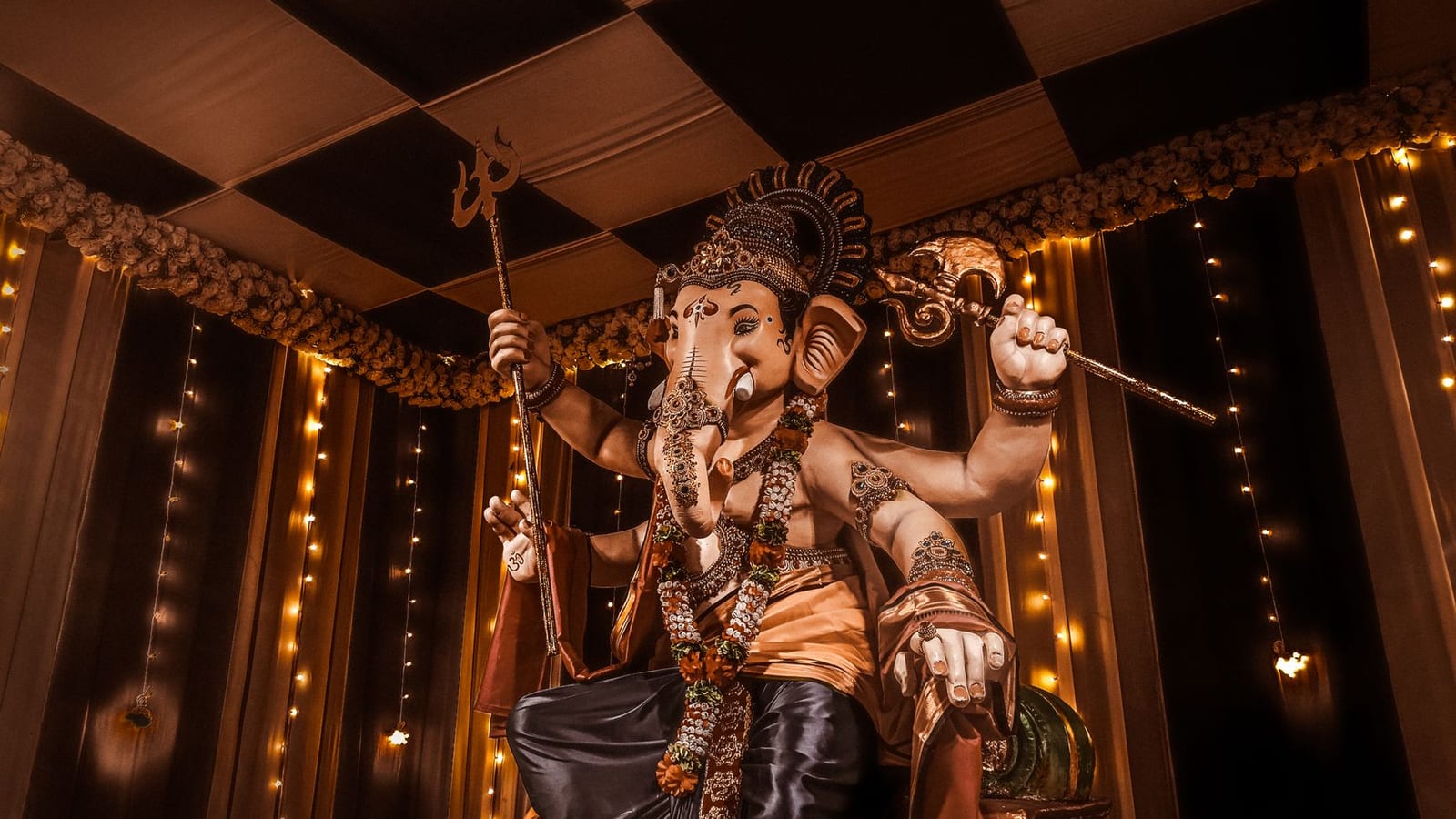
The evening fire may last only a few minutes, but Dussehra moves an entire neighbourhood.
On October 12, 2024, families stepped out for Dussehra pandals, traders waited for festive footfall, and artisans saw weeks of work go up in a blaze of colour. The festival is religious at heart, but its pulse runs through markets too.
For many Indian homes, Dussehra 2024 was also a day of timing. When to perform puja, when to worship tools, when to gather for Ravan Dahan. That calendar mattered to priests, families, local organisers, and small vendors around every Ramlila ground.
Dussehra 2024 timings and rituals
Dussehra, also called Vijayadashami, fell on Saturday, October 12, 2024. The Dashami tithi began at 10.58 am on October 12 and ended at 9.08 am on October 13.
The Shravan nakshatra also shaped the day’s ritual calendar. It started at 5.25 am on October 12 and ended at 4.27 am on October 13.
According to Drik Panchang, the Vijay muhurat for Shastra Puja, Aparajita Puja, and Shami Puja ran from 2.02 pm to 2.48 pm. That gave devotees a 46-minute window.
The broader afternoon puja period ran from 1.16 pm to 3.35 pm. This mattered for families who could not manage the shorter slot.
Ravan Dahan took place in the evening Pradosh Kaal. The preferred window was from 5.53 pm to 7.27 pm.
Why the timing matters
For a festival like Dussehra, timing is not just a priestly detail. It shapes the whole day.
Families plan meals around it. Local committees plan crowd movement. Police and civic teams prepare for traffic. Street vendors time their stock, tea, snacks, toys, and sweets for the evening rush.
That is why a muhurat has a very practical life outside the calendar. It tells people when the crowd will gather and when business will peak.
For small traders, Dussehra often marks the start of the bigger festive season. Diwali arrives 20 days later, and the mood begins shifting from restraint to spending.
A mithai shop, a flower seller, a garment trader, or a toy vendor may not speak in market terms. But they understand festive demand better than most charts.
The meaning behind Ravan Dahan
The best-known story behind Dussehra comes from the Ramayana. Hindu tradition says Lord Ram defeated Ravana on this day and freed Sita.
That is why Ravan Dahan carries such strong public emotion. The burning effigy is not just theatre. It turns a moral story into a shared community moment.
The second tradition links Vijayadashami to Maa Durga. Devotees believe she killed Mahishasura on this day, after a long battle between good and evil.
Both stories carry the same larger message. Wrong may look powerful for some time, but it does not get the last word.
In Indian towns, that message becomes visible. Children watch the effigy fall. Elders explain the story. Vendors sell balloons and snacks. Local grounds become temporary public squares.
Puja at home and work
The source tradition lists a simple Dussehra puja method. Devotees first place a clean red cloth on a small platform.
They then install the images of Lord Ram and Maa Durga. Some families colour rice with turmeric and mark a swastik to invoke Lord Ganesh.
Many households also worship the Navgraha, the nine planetary deities. They offer fruit, flowers, and sweets.
The day also carries a strong work connection. Shastra Puja means worship of weapons, but modern India reads it more widely.
For a farmer, it may mean tools. For a driver, it may mean a vehicle. For a mechanic, it may mean machines. For a business owner, it may mean the office, the shop, or the first ledger of the season.
This is where Dussehra becomes quietly economic. It honours work before it celebrates profit. That idea still speaks to many Indian families.
A festival that fuels markets
Dussehra 2024 also sat at the opening stretch of India’s busiest consumption season. After the monsoon, spending usually gathers pace.
Families buy clothes, sweets, gifts, home items, vehicles, and jewellery. Companies push offers. Banks and lenders advertise festive loans. E-commerce platforms chase the same family budget.
But the old street economy remains central. Local fairs still bring business to food stalls, toy sellers, light decorators, sound teams, tailors, carpenters, and transport workers.
A single Ramlila ground can support dozens of small earners for several evenings. For some, that income helps bridge the gap before Diwali.
There is also a cost side. Organisers must pay for safety, lighting, permissions, barricades, sound, and effigies. Larger events need crowd control and fire precautions.
That makes Dussehra both devotion and logistics. The faith is old. The running of it is very modern.
Dussehra endures because it gives ordinary people a public language for hope. In 2024, as families watched Ravana burn, the ritual carried a simple promise into the festive season: work honestly, spend carefully, and believe that darkness does not own the night.