Monsoon Brings Relief and Travel Woes Across States
Heavy monsoon rain alerts across northern, western and central India bring heat relief while raising risks of flooding, school disruption and travel
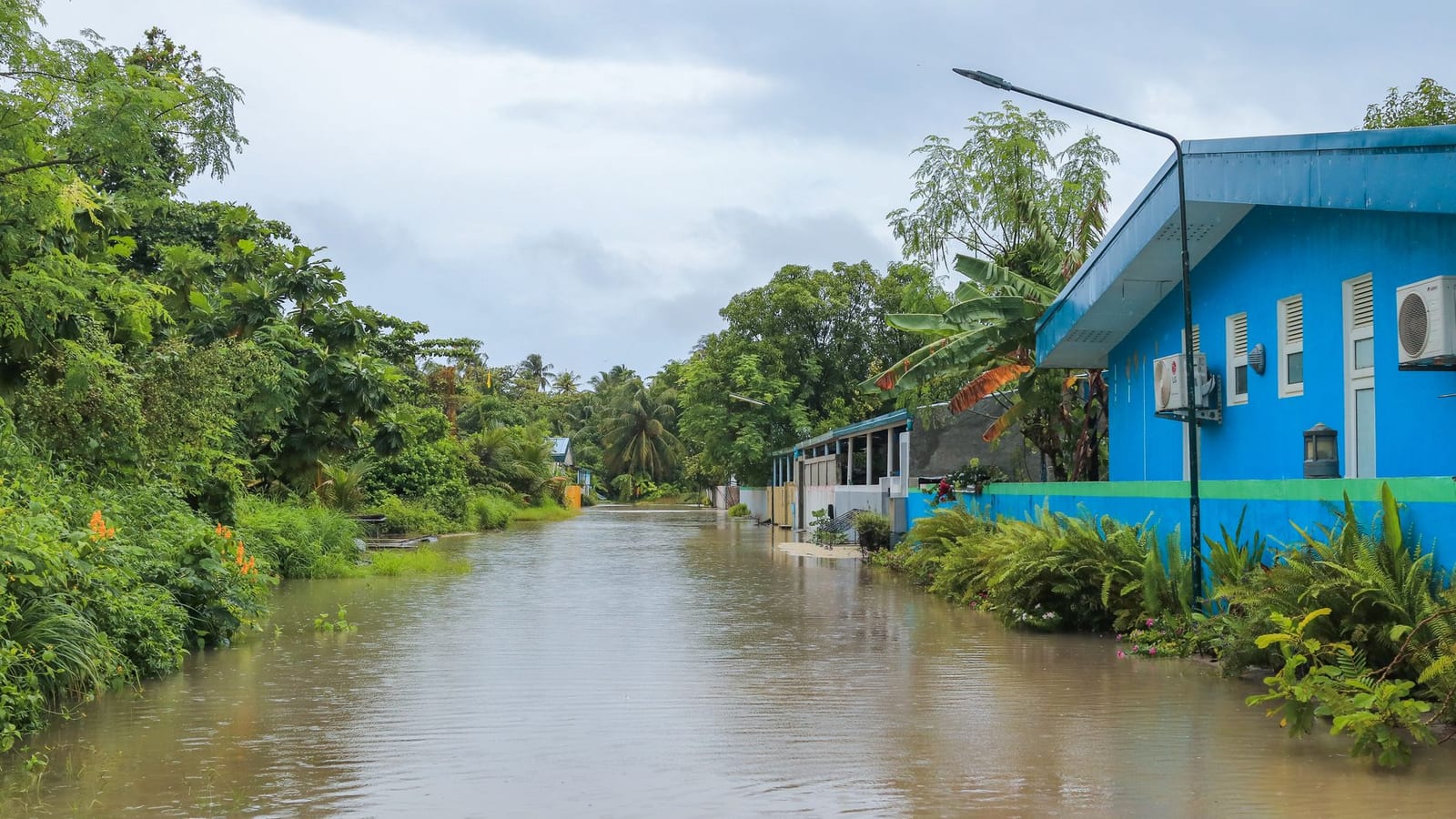
A hot city forgives many things after the first serious rain. Traffic snarls feel softer, tea stalls fill faster, and everyone checks the sky before checking WhatsApp.
Across north, west, and central India, the monsoon has moved from forecast to daily life. Relief has arrived after punishing heat, but so have flooded roads, school worries, risky travel, and nervous fruit growers.
For ordinary families, this is not just weather. It is the season that decides office commutes, weekend plans, power cuts, vegetable prices, and whether the ceiling stops feeling like a tandoor.
Monsoon changes the city routine
The IMD has issued rain alerts across several states, with heavy showers expected in parts of Uttar Pradesh, Chhattisgarh, Uttarakhand, Jharkhand, Maharashtra, and Himachal Pradesh.
That sounds like a weather bulletin. In real life, it means people change the way they live for weeks.
In Uttar Pradesh, the rain alert has brought relief after days of brutal heat. For families without steady cooling, even one cloudy evening can feel like a small festival.
The same rain, though, quickly turns into a planning problem. Parents ask whether schools will open. Office-goers leave early. Small shopkeepers pull stock away from leaky shutters.
In Delhi, a spell of stormy weather brought temperatures down. But strong winds, reported around Palam at high speed, also caused damage and at least one death.
That is the uncomfortable truth about the monsoon. It cools the body, then tests the city.
Mumbai’s old rain problem returns
Mumbai faced waterlogging after early heavy showers, with an orange alert raising questions about schools and colleges. The city knows this script too well.
Every June, Mumbai performs the same balancing act. Local trains, taxis, schools, offices, and roadside food stalls all depend on how fast drains work.
For many residents, rain is romantic only until the first flooded road. After that, it becomes shoes in hand, late attendance, and phone calls to check who reached home.
The city’s lifestyle has learned to adjust. People carry plastic covers for laptops, spare footwear, and patience that would impress a saint.
But adjustment should not become acceptance. When roads turn into ponds after the first big spell, it shows how fragile daily comfort remains.
Mumbai sells itself as India’s restless business capital. Yet one sharp shower can still slow its tempo to a crawl.
Hills face a sharper risk
In Himachal Pradesh, flash floods in Kinnaur damaged roads and affected horticulture. That one line carries a heavy local meaning.
For apple growers, rain is not a mood. It can decide income for the season.
A broken road does not only delay tourists. It can delay fruit movement, medical travel, and school access in mountain districts.
Uttarakhand has also seen alerts for rain in several areas. The state has grown used to watching clouds with both hope and fear.
Tourism brings money to hill towns. But sudden rain can turn a pleasant trip into a difficult journey within hours.
This is where lifestyle and livelihood overlap. A long weekend plan for one family can become a rescue concern for another.
The hills need visitors, but they also need caution from visitors. Weather alerts there are not casual suggestions.
Rain also reshapes small choices
The monsoon changes Indian taste in ways weather reports never capture. Menus shift. Clothes change. Homes smell different.
Street corners see more pakoras, roasted bhutta, and cutting chai. Linen moves back in wardrobes. Synthetic sandals suddenly look wiser than leather shoes.
In tier-2 cities, kirana stores see a quiet shift too. People buy mosquito coils, packaged snacks, umbrellas, candles, and basic medicines.
Young professionals with long commutes start measuring life differently. A 35-minute ride can become 90 minutes after one flooded stretch.
For delivery workers, guards, drivers, and street vendors, the rain is more physical. It means wet uniforms, fewer breaks, and longer hours in uncertain conditions.
The season also changes how people spend. Restaurants get cozy footfall on wet evenings, while malls gain weekend crowds when outdoor plans collapse.
At home, families return to older habits. Evening tea matters more. Balconies become viewing galleries. Laundry becomes a strategy game.
There is a social signal here. Urban India wants comfort, but it also wants convenience. The monsoon exposes the gap between both.
A premium apartment may have a smart lock and imported tiles. But if the approach road floods, luxury stops at the gate.
Preparedness is the real comfort
The real story this week is not just that rain has arrived. It is that Indian cities and towns still react to rain more than prepare for it.
Officials can issue alerts, and they should. But families judge preparedness through simpler signs.
Did the road drain quickly? Did the power stay on? Did the school communicate clearly? Did public transport keep moving?
These questions matter more than big claims. They decide whether rain feels like relief or punishment.
For city governments, the monsoon is an annual audit. It checks drains, flyovers, power lines, traffic systems, and emergency response.
For households, it becomes a test of everyday resilience. Keep phones charged. Leave earlier. Avoid risky roads. Watch local alerts.
The monsoon remains India’s most emotional season. It feeds crops, cools cities, fills rivers, and brings back rituals we grew up with.
But the romance now comes with sharper edges. Climate swings make heat harsher and rain more sudden.
So this year’s first showers should not only make people reach for chai. They should also make cities ask a harder question: can ordinary life keep moving when the sky finally opens?