Dussehra 2024 Puja Timings and Rituals Explained
Dussehra 2024 fell on October 12, with key Vijay muhurat, Aparajita Puja, Shami Puja and Shastra Puja timings shaping rituals.
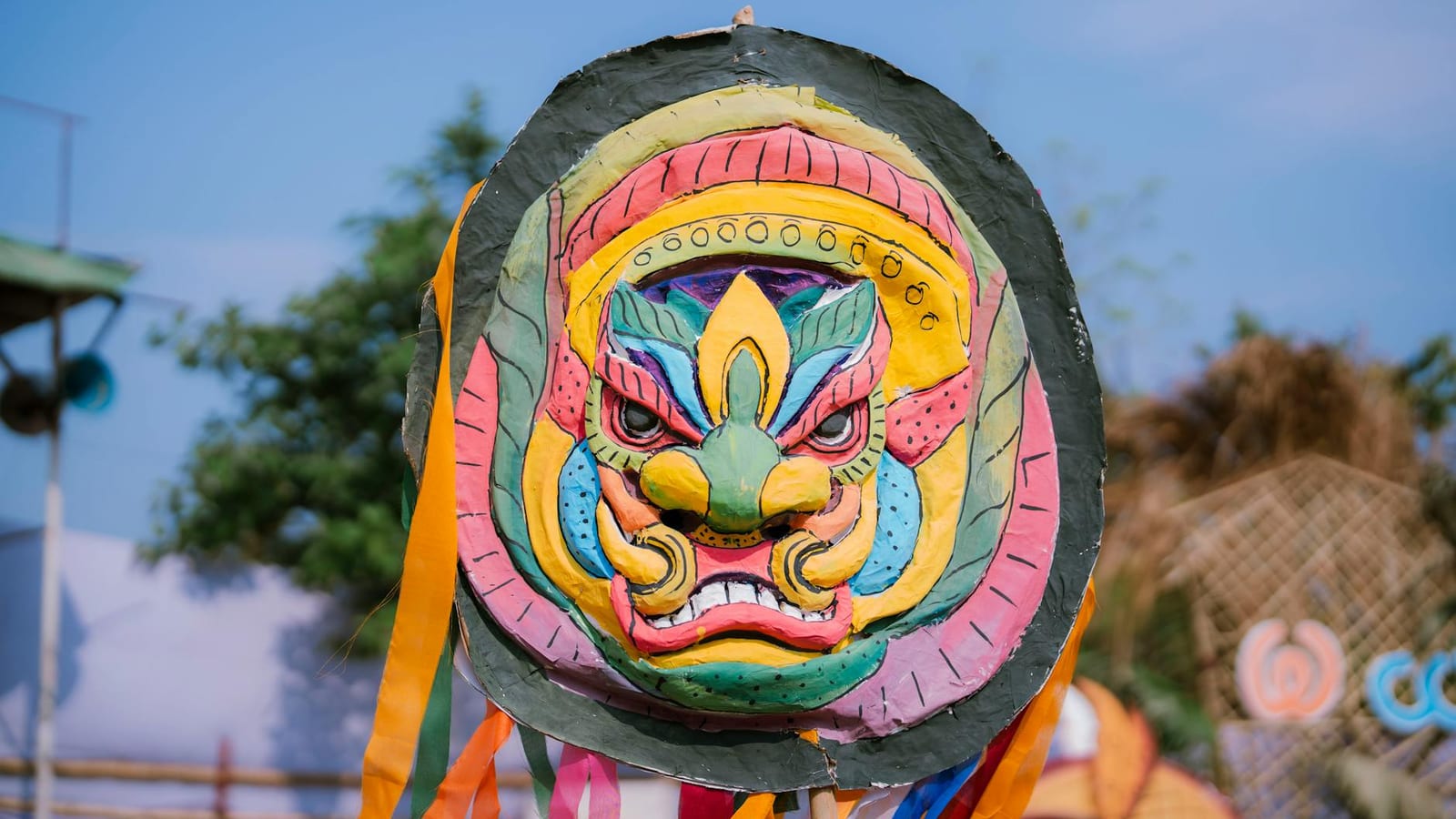
For many Indian families, Dussehra is not just a date on the calendar. It is the day when neighbourhood grounds fill up, sweet shops run late, and children wait for Ravana’s effigy to burn.
In 2024, Dussehra fell on Saturday, October 12. The festival, also called Vijayadashami, marks the familiar idea that good must eventually defeat evil.
That sounds simple. But across India, the day carries several layers. There is worship at home, public celebration outside, and a small but real festive economy around it.
The key timings for 2024
The Dashami tithi began at 10:58 am on October 12, 2024. It ended at 9:08 am on October 13, 2024.
The Shravan nakshatra began at 5:25 am on October 12. It ended at 4:27 am on October 13.
For many households, these timings matter because families plan puja around them. Priests, temple committees, and local organisers also use them to fix schedules.
Drik Panchang listed the Vijay muhurat from 2:02 pm to 2:48 pm. This 46-minute window was considered suitable for Shastra Puja, Aparajita Puja, and Shami Puja.
The broader afternoon puja period ran from 1:16 pm to 3:35 pm. That gave families a little more room to perform rituals without rushing through them.
Ravana Dahan was considered best during Pradosh Kaal, the early evening period after sunset. For October 12, 2024, the suggested window was 5:53 pm to 7:27 pm.
Why Ravana Dahan still draws crowds
The public face of Dussehra remains Ravana Dahan. In many towns, this one event brings together religion, theatre, local politics, and street commerce.
The story is known across generations. Lord Ram defeats Ravana and frees Sita. That victory becomes a symbol for the defeat of arrogance, injustice, and misuse of power.
But the evening gathering is also a social event. Families step out together. Food stalls see heavy sales. Toy sellers, flower vendors, and small sweet shops get a festive bump.
For a kirana store owner in a tier-2 city, this season matters. Extra demand for puja items, dry fruits, sweets, and decorative goods can lift weekly sales.
The same applies to temporary workers. Effigy makers, stage hands, sound technicians, electricians, and local security workers all find short-term work around Dussehra events.
This is why festivals remain tied to India’s informal economy. A single evening celebration can move money through many small hands.
Puja rituals inside homes
The home ritual is usually quieter than the public spectacle. Families clean a small space, place a red cloth on a chowki, and install images of Lord Ram and Goddess Durga.
Rice is often coloured yellow with turmeric. A swastik is made as a sacred symbol, and Lord Ganesh is invoked before the main worship.
Some families also place the Navgraha, or nine planetary deities, as part of the ritual. Offerings usually include flowers, fruits, sweets, and incense.
Shastra Puja has a special place on this day. Traditionally, weapons were worshipped by warriors. Today, the meaning has expanded.
For many workers, the “tools” of livelihood may be machines, vehicles, books, account ledgers, laptops, or shop equipment. The emotion is the same. People thank what helps them earn.
Shami Puja also forms part of the day in many traditions. The Shami tree carries symbolic value, especially in stories linked to victory and protection.
Aparajita Puja is another ritual linked to success and courage. The word itself points to one who cannot be defeated.
Many families also make donations on Dussehra. The source tradition advises giving according to one’s capacity to a poor or needy person.
That detail matters. A festival about victory over evil feels incomplete without generosity. It turns faith into action, even if the act is small.
Two stories behind the festival
Dussehra is not built on one story alone. Two major traditions sit behind the day.
The first is from the Ramayana. Lord Ram kills Ravana on the tenth day of the bright half of Ashwin month. Twenty days later, Diwali celebrates Ram’s return to Ayodhya.
The second tradition comes from the worship of Goddess Durga. It marks her victory over Mahishasura, the demon who had caused suffering among gods and people.
Both stories speak the same moral language. Power alone does not win. Right conduct, courage, and restraint matter more.
That is why Dussehra travels so easily across regions. North India may focus heavily on Ramleela and Ravana Dahan. Eastern India may connect the day with Durga Puja’s final moments.
In business terms, this variety keeps the festival economy wide. Different regions buy different things, from effigies and costumes to idols, flowers, sweets, and transport services.
Even app-based delivery firms and local retailers feel the seasonal shift. More families order festive food, book cabs, and buy last-minute puja supplies.
For small traders, such spikes can be crucial. India’s festive quarter often decides whether the year ends strongly or weakly.
The business beneath belief
Dussehra may look like a religious story, but it also shows how culture powers consumption in India.
A single festival touches textiles, sweets, travel, flowers, firecrackers, stage equipment, printing, lighting, and local advertising. Much of this spending happens outside formal corporate channels.
That does not make it small. It simply makes it harder to measure.
A tailor stitching costumes for a Ramleela group, a halwai preparing extra laddoos, or a carpenter helping build a stage all become part of the same chain.
Large brands also understand the moment. Automobile firms, jewellery stores, electronics retailers, and real estate sellers often treat Vijayadashami as an auspicious buying day.
Many families prefer to start something new on this date. A new vehicle, a business ledger, a home appliance, or a small investment feels luckier when bought on Dussehra.
This belief has economic force. It can turn a regular sales weekend into a strong one.
Still, the festival also brings questions. Public events need safety checks, crowd control, and responsible use of fire. Organisers cannot treat those details as paperwork.
Families also face rising costs. Sweets, transport, decorations, and gifts can strain budgets, especially when Diwali follows just three weeks later.
That is the quiet pressure of India’s festive season. Joy comes with expense, and households often balance emotion with calculation.
Dussehra’s deeper message remains useful beyond ritual. Every year, it asks people to identify what must be defeated, at home, in business, and in public life. For ordinary readers, that may mean debt, waste, unfairness, fear, or simply the habit of looking away. The next festival will come and go, but that question stays.