Dussehra 2024 Puja Timings Set Festive Buying Tone
Dussehra 2024 fell on October 12, with key puja muhurats in the afternoon and Ravan Dahan in the evening as festive demand picked up.
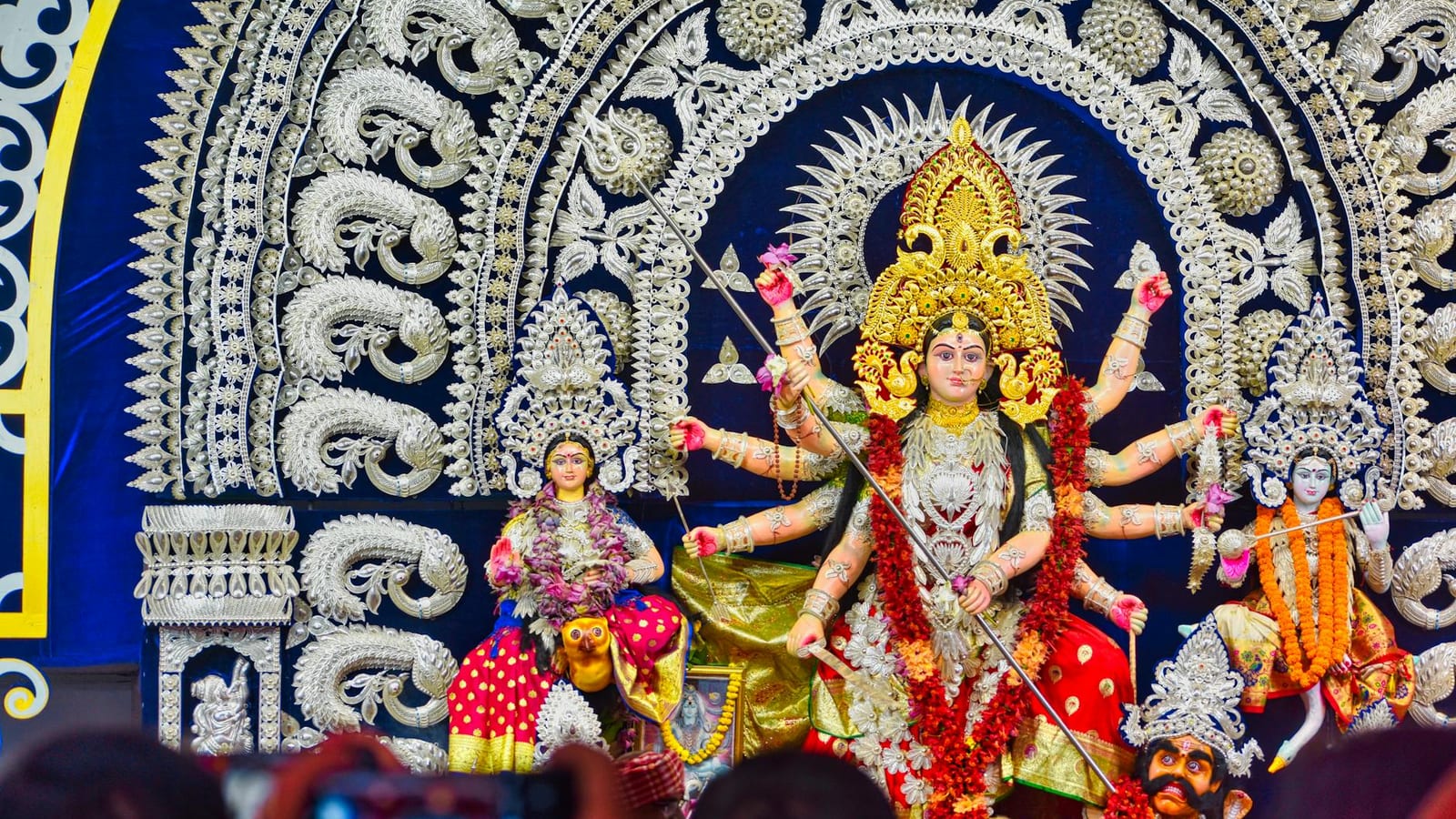
For families and markets, Dussehra is not just a festival date on the calendar. It is the day when neighbourhood grounds fill up, sweet shops run late, and shopkeepers quietly hope the festive rush finally gathers speed.
In 2024, Dussehra fell on Saturday, October 12. The day carried the usual mix of faith, theatre, shopping, and community life, with Ravan Dahan scheduled in the evening.
The festival, also known as Vijayadashami, marks the victory of good over evil. But in practical India, it also signals something else. The long festive buying season has properly begun.
Key timings for Dussehra rituals
The Dashami tithi began at 10:58 am on October 12, 2024. It ended at 9:08 am on October 13, 2024.
Shravan Nakshatra began earlier, at 5:25 am on October 12. It continued until 4:27 am on October 13.
As per Drik Panchang, the Vijay Muhurat for Shastra Puja, Aparajita Puja, and Shami Puja ran from 2:02 pm to 2:48 pm. That gave devotees a 46-minute window for these rituals.
The broader afternoon puja period ran from 1:16 pm to 3:35 pm. For many homes and small businesses, this is the practical window. People can complete worship without disrupting the full working day.
Ravan Dahan is considered best during Pradosh Kaal, the early evening period after sunset. In 2024, the suggested time was from 5:53 pm to 7:27 pm.
Why the evening matters
The evening slot matters because Ravan Dahan is a public event, not just a private ritual. Families gather after work, vendors set up stalls, and local organisers manage crowds.
For small traders, this is one of those days when footfall itself becomes business. Toy sellers, food carts, flower sellers, sweet shops, and transport operators all feel the impact.
A large ground in a city may see families spend modestly. A smaller town may see the same pattern at a local fair. The amounts differ, but the rhythm remains familiar.
That is why festival dates matter to businesses. They shape staffing, inventory, delivery schedules, and cash flow. A sweet shop cannot prepare for Dussehra the morning it arrives.
Faith, memory, and public life
The most widely known Dussehra story centres on Lord Ram. Hindu tradition says he defeated Ravan on this day and freed Sita.
Another tradition links Vijayadashami to Maa Durga. It marks her victory over Mahishasur after a fierce battle.
These stories travel through families, plays, school functions, temple rituals, and community events. That is why Dussehra has stayed alive across regions and languages.
The festival also comes 20 days before Diwali. That timing gives it a special place in the business calendar.
For retailers, Dussehra often works like the starting whistle. Buyers who delayed purchases begin moving. Families plan clothes, gifts, appliances, jewellery, vehicles, and home repairs.
How puja enters the workplace
Shastra Puja has a wider meaning in modern India. Traditionally, people worshipped weapons. Today, many worship the tools of their trade.
A mechanic may clean his instruments. A driver may decorate his vehicle. A shopkeeper may place account books near the deity. A factory worker may join a small ceremony near machines.
This is where the festival quietly meets the economy. Work tools become symbols of dignity. Labour gets a ritual place in public life.
Shami Puja also carries older cultural meaning. Many devotees worship the Shami tree and exchange its leaves as a sign of goodwill and prosperity.
Aparajita Puja, linked with victory and protection, also forms part of the day’s ritual calendar. The word itself points to something undefeated.
The basic puja method remains simple. Devotees place a clean red cloth on a platform, install images of Ram and Durga, offer flowers, fruits, and sweets, and pray.
Many families also donate food, clothes, or money to people in need. That act keeps the festival from becoming only spectacle and shopping.
The business pulse beneath devotion
Festivals in India rarely stay inside one box. They are religious, social, cultural, and economic at the same time.
Dussehra shows this clearly. A family may attend Ravan Dahan for faith. Children may go for the drama. Vendors may go because the crowd pays their bills.
This layered nature makes the festival important for local economies. The biggest companies talk of festive demand in quarterly updates. But the real test often sits in smaller markets.
A kirana store owner in a tier-2 city watches whether families are spending freely. A tailor tracks last-minute orders. A delivery worker feels the pressure through longer routes and tighter timelines.
The festival also tells us something about confidence. People spend more when they feel secure about income. They hold back when prices pinch.
That is why festive demand gets watched closely. It gives a quick reading of mood across households, especially before Diwali.
Dussehra 2024, with its clearly defined puja and Ravan Dahan timings, offered families a structured day of worship and celebration. For businesses, it marked the opening of a crucial season. For ordinary people, it carried the old promise of the festival: evil may look large for a while, but the crowd still gathers to watch it burn.