Dussehra 2024 puja timings set festive demand rolling
Dussehra 2024 falls on October 12, with key puja windows in the afternoon and Ravan Dahan timing during Pradosh Kaal for families and traders.
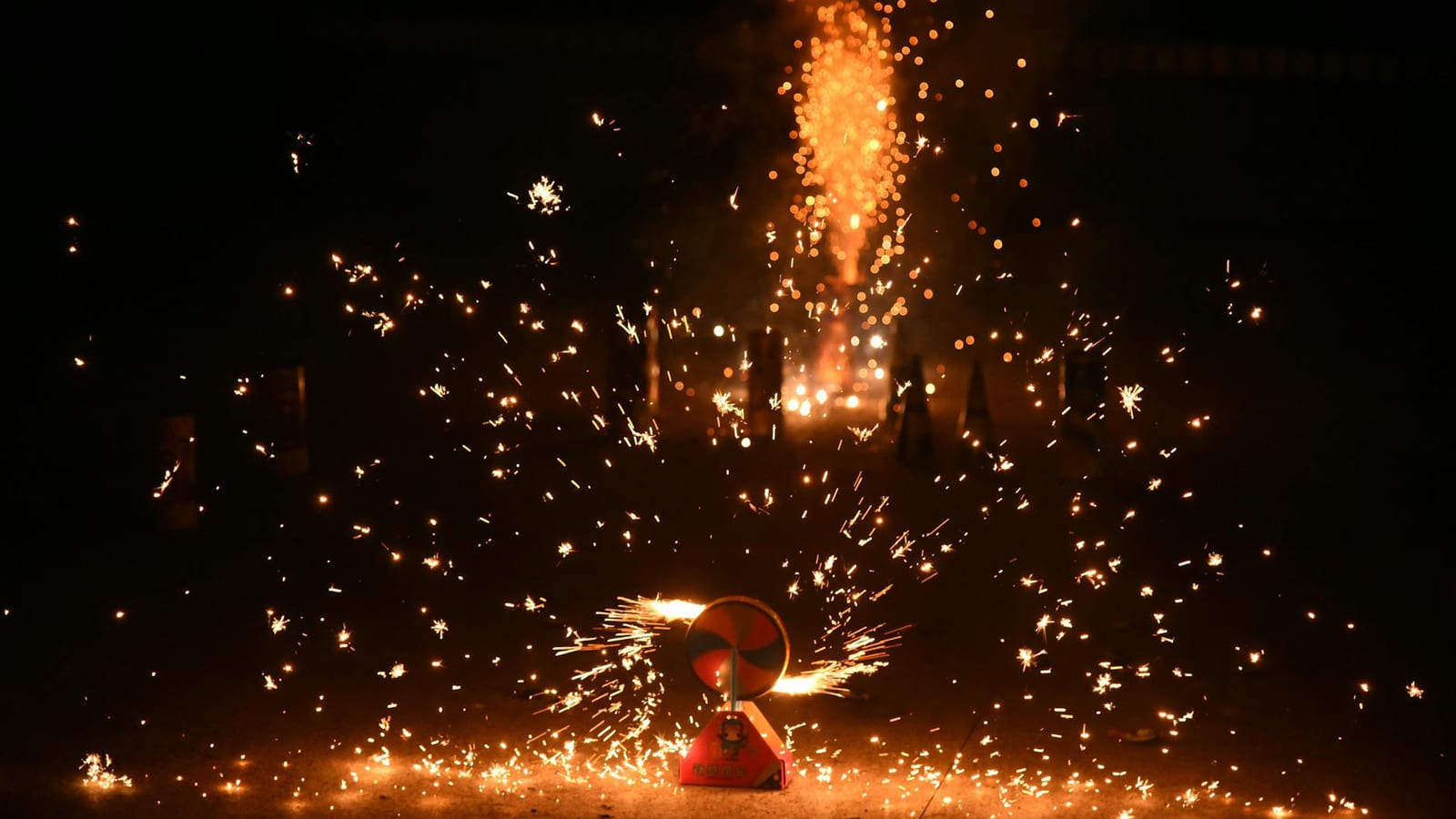
For many Indian families, Dussehra is not just one evening of fireworks. It is the day when faith, markets, travel, and neighbourhood life all move together.
In 2024, Dussehra falls on Saturday, October 12. That matters for homes planning puja, traders opening account books, artisans finishing effigies, and small vendors hoping for a strong festive crowd.
The festival also arrives as the first big public marker before Diwali. For businesses, that means the festive engine has already started.
Dussehra timings for October 12
The Dashami tithi begins at 10.58 am on October 12, 2024. It ends at 9.08 am on October 13, 2024.
Shravan nakshatra starts earlier, at 5.25 am on October 12. It continues until 4.27 am on October 13.
As per Drik Panchang, the Vijay muhurat for Shastra Puja, Aparajita Puja, and Shami Puja runs from 2.02 pm to 2.48 pm. That gives devotees a 46-minute window.
The broader afternoon puja period runs from 1.16 pm to 3.35 pm. This gives families and institutions more room to organise rituals without rushing.
For Ravan Dahan, the preferred time falls in Pradosh Kaal. In 2024, the suggested window is from 5.53 pm to 7.27 pm.
Why timing matters to families
In Indian homes, muhurat is not a small detail. It decides when people leave work, when children get dressed, and when families gather.
For many families, Dussehra puja follows a familiar rhythm. A clean red cloth goes on a small platform. Idols or images of Lord Ram and Goddess Durga are placed there.
Rice is mixed with turmeric and offered in ritual form. Lord Ganesh and the Navgraha are invoked. Fruits, flowers, and sweets are offered.
The ritual often ends with charity. Families give food, money, or essentials to someone in need, depending on what they can afford.
This is where faith meets daily life. A household may not discuss theology in detail. But it will remember the act of giving.
That quiet part of the festival matters. In a season full of spending, it reminds people that celebration has a social side too.
The street economy wakes up
Dussehra also gives a sharp push to local business. The official source gives the dates and rituals. But anyone who has watched an Indian market knows the wider story.
Sweet shops prepare for heavier footfall. Florists sell marigold strings and loose flowers. Small vendors near Ramlila grounds count on one strong evening.
Tailors, toy sellers, light decorators, food stalls, and transport operators also feel the rush. The festival may last one day on the calendar. Its business cycle starts much earlier.
For a kirana store owner in a tier-2 city, this period can lift sales of ghee, sugar, dry fruits, incense sticks, and puja items. None of this looks grand on paper. But it keeps cash moving.
Effigy makers also depend on local committees. Their work is seasonal, physical, and often paid close to the event. A delayed order or weak crowd can hurt earnings.
That is the part press notes rarely capture. Festivals create demand, but the gains do not spread evenly.
Large brands use the season for discounts. Small sellers depend on weather, footfall, and last-minute buyers. One rain spell can spoil an evening’s income.
Vijayadashami and its meanings
Vijayadashami carries two major stories in popular belief. One links the day to Lord Ram’s victory over Ravan.
The other connects it to Goddess Durga’s victory over Mahishasur. Both stories speak of good defeating evil, though they come from different devotional traditions.
This is why the day feels both personal and public. Some families focus on Ram. Some worship Durga. Many observe both meanings without seeing any conflict.
Ravan Dahan gives the festival its most visible form. Effigies burn in public grounds. Children watch with excitement. Elders see a moral lesson in the flames.
But the quieter rituals carry equal weight. Shastra Puja has long mattered to soldiers, artisans, mechanics, and workers who use tools.
For a mechanic, a vehicle tool kit is not just metal. For a carpenter, a saw is livelihood. For a business owner, the office computer may now be the modern tool.
That is why Shastra Puja still adapts well. The object changes, but the sentiment stays.
Shami Puja also has deep cultural value in several regions. People exchange Shami leaves as a symbol of goodwill and prosperity.
Aparajita Puja, linked with victory and protection, adds another layer. The word itself points to one who cannot be defeated.
The Diwali connection
Dussehra also begins the emotional countdown to Diwali. Tradition places Diwali 20 days after Dussehra.
For consumers, this means shopping decisions begin now. Families start planning clothes, sweets, gifts, travel, and home repairs.
For traders, the next few weeks can decide the season. Strong Dussehra footfall often builds confidence for Diwali stocking.
This matters in a year when household budgets remain stretched for many people. Families may celebrate fully, but they also compare prices more carefully.
That has changed the festive market. People still buy, but they hunt for value. They may choose smaller packs, local brands, or online deals.
For small businesses, this creates both pressure and opportunity. They cannot always match big discounts. But they can offer trust, credit, familiarity, and quick service.
In India, those things still count. A neighbourhood shopkeeper knows who needs home delivery. A sweet seller knows which family wants less sugar. A flower vendor knows the evening rush.
That local knowledge keeps the festive economy human.
Dussehra 2024, then, is more than a date and a muhurat. It is a reminder that India’s festivals move through homes, streets, markets, and memories at the same time. The flame that burns Ravan in the evening also lights up a wider truth. People want victory, yes, but they also want a season that brings work, dignity, and a little hope before the year turns toward Diwali.