Dussehra 2024 rituals drive festive crowds in India
Dussehra 2024 brought families to markets and Ravana Dahan events, with key puja muhurats guiding rituals across Indian households and venues.
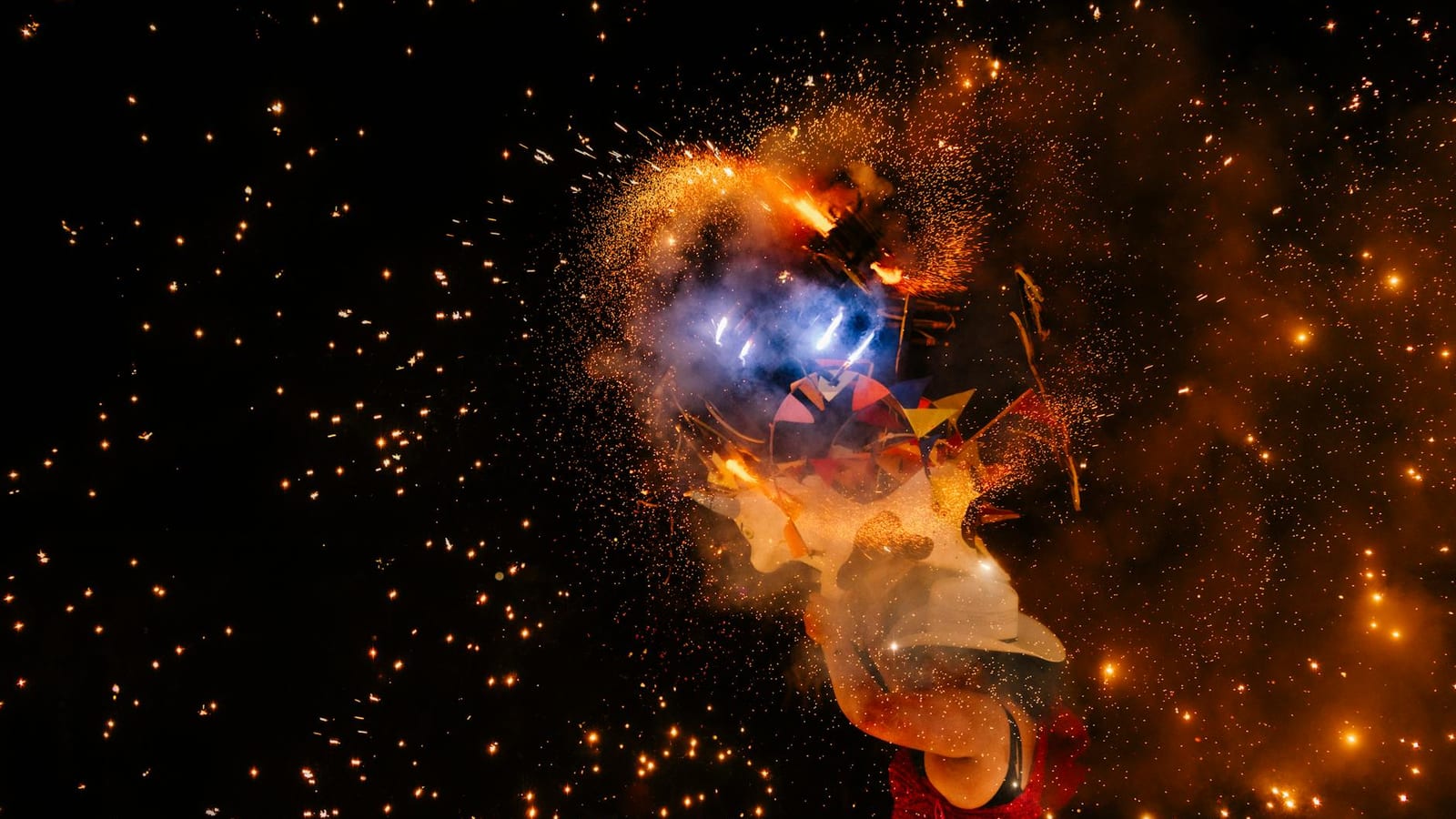
For many Indian families, Dussehra is not just a date on the calendar. It is the evening when markets stay busy, children wait for fireworks, and families step out to watch Ravana burn.
In 2024, the festival fell on Saturday, October 12. The day carried the familiar mix of faith, timing, community events, and small local business.
The festival, also called Vijayadashami, marks the victory of good over evil. That message sounds old, but it still travels well in crowded maidans and neighbourhood lanes.
The key timings for Dussehra
The Dashami tithi began at 10.58 am on October 12, 2024. It ended at 9.08 am on October 13, 2024.
The Shravan nakshatra started at 5.25 am on October 12. It ended at 4.27 am the next morning.
For many households, these timings matter because rituals follow the Hindu calendar. The date on the wall calendar is not enough.
Drik Panchang placed the Vijay muhurat between 2.02 pm and 2.48 pm. That gave worshippers a 46-minute window for key rituals.
The broader afternoon puja period ran from 1.16 pm to 3.35 pm. Families used this slot for Shami puja, Aparajita puja, and weapon worship.
Ravana Dahan traditionally happens during pradosh kaal, the period after sunset. In 2024, the suggested window ran from 5.53 pm to 7.27 pm.
That evening slot also shaped local planning. Organisers, vendors, police teams, and families all moved around the same narrow window.
Why the rituals still matter
Dussehra carries two major stories in Hindu tradition. The first links the day to Lord Ram defeating Ravana and rescuing Sita.
The second connects Vijayadashami with Goddess Durga defeating Mahishasura. Both stories tell the same larger truth in different ways.
They speak of courage, patience, and the final defeat of arrogance. That is why the festival has remained emotionally powerful.
The rituals also bring the message into ordinary homes. A family may not discuss theology, but it still lights a lamp.
Shami puja has its own place in many communities. The Shami tree is treated as auspicious, especially for success and protection.
Aparajita puja also reflects the desire to begin new work with strength. The word itself suggests someone who cannot be defeated.
Weapon worship has a broader meaning today. For some, it means tools, machines, vehicles, books, or work instruments.
A mechanic may clean his tools. A shopkeeper may decorate the cash counter. A student may place books before the deity.
That is where the festival quietly enters the economy. Faith moves through workshops, shops, offices, mandaps, and markets.
How families perform the puja
The puja method remains simple in many homes. A clean platform is first covered with a red cloth.
Families then place images or idols of Lord Ram and Goddess Durga. Some also include other deities followed at home.
Rice is coloured with turmeric and used during the ritual. A swastik is drawn as a symbol of auspicious beginnings.
Lord Ganesh is invoked before other rituals. That step reflects the common belief that new work should start without obstacles.
Navgraha puja may also be performed. It honours the nine planetary forces recognised in Hindu tradition.
Families then offer flowers, sweets, fruits, and other items. The ritual usually ends with prayer and distribution of prasad.
Many households also give charity on this day. The source tradition recommends helping someone poor or in need, within one’s means.
That part often gets less attention than the spectacle. Yet it keeps the festival grounded in social duty.
Dussehra is not only about defeating evil outside. It also asks people to act better inside their own circles.
Markets feel the festival rush
For small businesses, Dussehra brings a different kind of pressure. Demand rises, but so does the need to prepare quickly.
Sweet shops, flower sellers, tent suppliers, toy vendors, and local decorators all feel the rush. Many earn important seasonal income.
In smaller towns, Ravana Dahan events pull crowds into market areas. Families often combine the outing with snacks, shopping, and local travel.
That matters for a street vendor as much as a mall. Festivals still push cash through India’s informal economy.
A florist may see extra orders for marigold garlands. A tailor may finish festive clothes late into the night.
A local electrician may wire up a stage. A small transport operator may ferry equipment for community events.
None of this appears in a ritual calendar. But it is part of the real Dussehra economy.
The festival also comes just before Diwali. Traditionally, Diwali follows 20 days after Dussehra.
That gap matters for traders. Dussehra often starts the stronger festive buying mood, especially in North India.
Families may begin planning appliance purchases, clothes, jewellery, or home repairs. Businesses watch these weeks closely.
Large companies advertise around this season. But the deeper story still sits in neighbourhood commerce.
A kirana store, a roadside stall, or a local sweet shop may feel the change first. Their festive season depends on footfall.
The civic side of celebration
Ravana Dahan looks simple from the crowd. Behind it sits a fair bit of coordination.
Organisers must handle effigies, fire safety, crowd movement, sound systems, and public space. Local authorities also play a role.
The evening muhurat makes crowd management more intense. Everyone wants to gather around the same time.
For families, the practical questions are basic. Where to park, when to leave, how to avoid a crush, and how to bring children home safely.
For local administrations, these events test planning. A festival can turn difficult if exits, fire lines, or traffic routes fail.
This is why public celebrations need more than enthusiasm. They need discipline, especially in dense urban areas.
The bigger gatherings also create waste. Plastic plates, food packets, flowers, and firecracker remains often pile up by night.
Cities have improved in some places. Still, festival waste remains an under-discussed civic cost.
Dussehra’s message is moral, but its execution is practical. A good celebration respects both devotion and public safety.
As India grows more urban, festivals like Dussehra will keep changing shape. The rituals may remain familiar, but the setting will become more crowded, commercial, and carefully managed. For ordinary people, the heart of the day is still simple: step out, pray, watch the flames rise, and return home hoping that some small darkness has also burned away.