Dussehra 2024 timings shaped puja and market rush
Dussehra 2024 fell on October 12, with afternoon puja muhurats guiding families, event organisers and festive market activity across India.
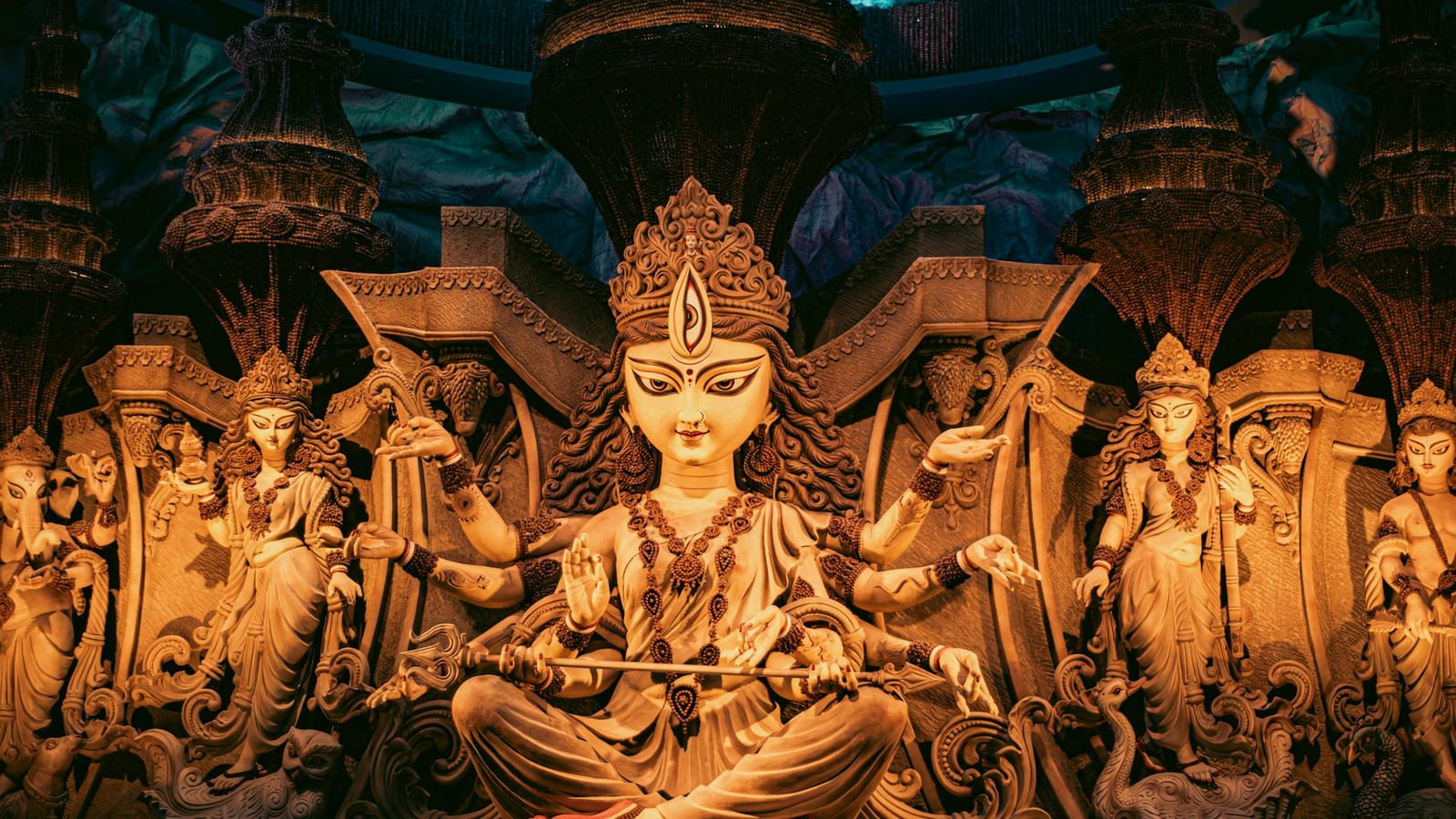
For a sweet shop, a tent supplier, or a neighbourhood event worker, Dussehra is not just faith. It is also one busy evening that can make the festive season feel real.
In 2024, that evening fell on Saturday, October 12. Across India, families planned puja, organisers checked Ravan effigies, and markets waited for the post-Navratri rush.
The festival sits at a familiar Indian crossing. Religion, family, small business, and public celebration all meet on the same street.
Dussehra timings for 2024
Dussehra in 2024 was observed on October 12. The Dashami tithi began at 10.58 am on October 12 and ended at 9.08 am on October 13.
The Shravan nakshatra began at 5.25 am on October 12. It ended at 4.27 am on October 13.
For families following the traditional calendar, these details matter. They decide when a puja happens, when a family gathers, and when community events begin.
Drik Panchang listed the Vijay muhurat for Shastra Puja, Aparajita Puja, and Shami Puja from 2.02 pm to 2.48 pm. That gave devotees a 46-minute window.
The broader afternoon puja period ran from 1.16 pm to 3.35 pm. This gave families more room to complete rituals without rushing.
Ravan Dahan after sunset
The most public moment of the day was Ravan Dahan. In 2024, the preferred window was from 5.53 pm to 7.27 pm.
That timing placed the event in the evening, when most people could step out. For organisers, this also meant crowd planning, lighting, security, and traffic control.
Vijayadashami marks the victory of good over evil. The story most Indians grow up hearing is simple and powerful. Lord Ram defeated Ravan and freed Sita.
Another tradition links the day to Goddess Durga’s victory over Mahishasur. Together, these stories give the festival its moral charge.
But on the ground, the festival also powers local economies. Effigy makers, electricians, sound vendors, flower sellers, food stalls, and transport workers all feel the demand.
A large public celebration needs bamboo, cloth, paint, lights, permissions, workers, and last-mile delivery. That is why a religious calendar also works like a business calendar.
Rituals at home and work
The day is not only about the evening spectacle. Many families also perform Shami Puja, Aparajita Puja, and Shastra Puja.
Shastra Puja means worship of tools or weapons. In modern life, that can include work instruments, vehicles, machines, or office equipment.
For small businesses, this has a very Indian meaning. A shopkeeper may clean the counter. A mechanic may worship his tools. A driver may decorate his vehicle.
The puja method is usually simple. A clean red cloth is placed on a small platform. Images of Ram and Durga are kept there.
Rice is coloured with turmeric and arranged for worship. Ganesh and the Navgraha are invoked. Families offer fruit, flowers, sweets, and prayers.
Many people also donate food, money, or essentials to someone in need. That act gives the festival a social layer beyond ritual.
Why the date matters
Festival dates shape spending in India. Once Dussehra ends, the countdown to Diwali begins in earnest.
In 2024, Diwali came about 20 days after Dussehra. That gap matters for retailers, traders, jewellers, travel firms, and delivery workers.
Consumers often delay big purchases until the festive stretch. Families buy appliances, vehicles, clothes, gold, gifts, and sweets.
For companies, this period can lift sales. For small traders, it can decide whether the quarter feels strong or weak.
There is also a cash-flow side. A kirana store owner may stock more dry fruits and sweets. A garment seller may order extra inventory.
A caterer may hire temporary workers. A delivery rider may see longer hours. A local decorator may earn more in ten days than in a slow month.
That is the quiet business story behind Dussehra. The festival does not move only through temples and grounds. It moves through supply chains.
Faith, markets and the season ahead
Dussehra also signals a shift in household mood. The monsoon has usually ended. Wedding planning begins. Festive discounts become louder.
For urban families, the day may mean an evening at a Ravan Dahan ground. For smaller towns, it can mean a fair, a market visit, and family shopping.
For workers in the informal economy, the day can bring extra income. But it also brings pressure. Events must finish on time, orders must be delivered, and crowds must be managed.
That is where the timing of rituals becomes practical. A puja window is not just a religious detail. It helps families, priests, organisers, and businesses plan the day.
The larger message remains old, but it still lands. Dussehra asks people to mark the defeat of arrogance, greed, and injustice.
In everyday life, that lesson becomes less dramatic. It may mean fair trade, honest work, careful spending, and respect for those who make the festive season run.
For ordinary readers, the real takeaway is this. Dussehra is faith, yes. But it is also labour, planning, and money moving through India’s streets. As the festive season gathers pace, the people behind the lights deserve as much attention as the celebrations themselves.