Dussehra Muhurat Sets Pace for Puja and Market Rush
Dussehra on October 12 brings afternoon puja timings, Ravan Dahan plans and a festive market surge as families prepare for Vijayadashami.
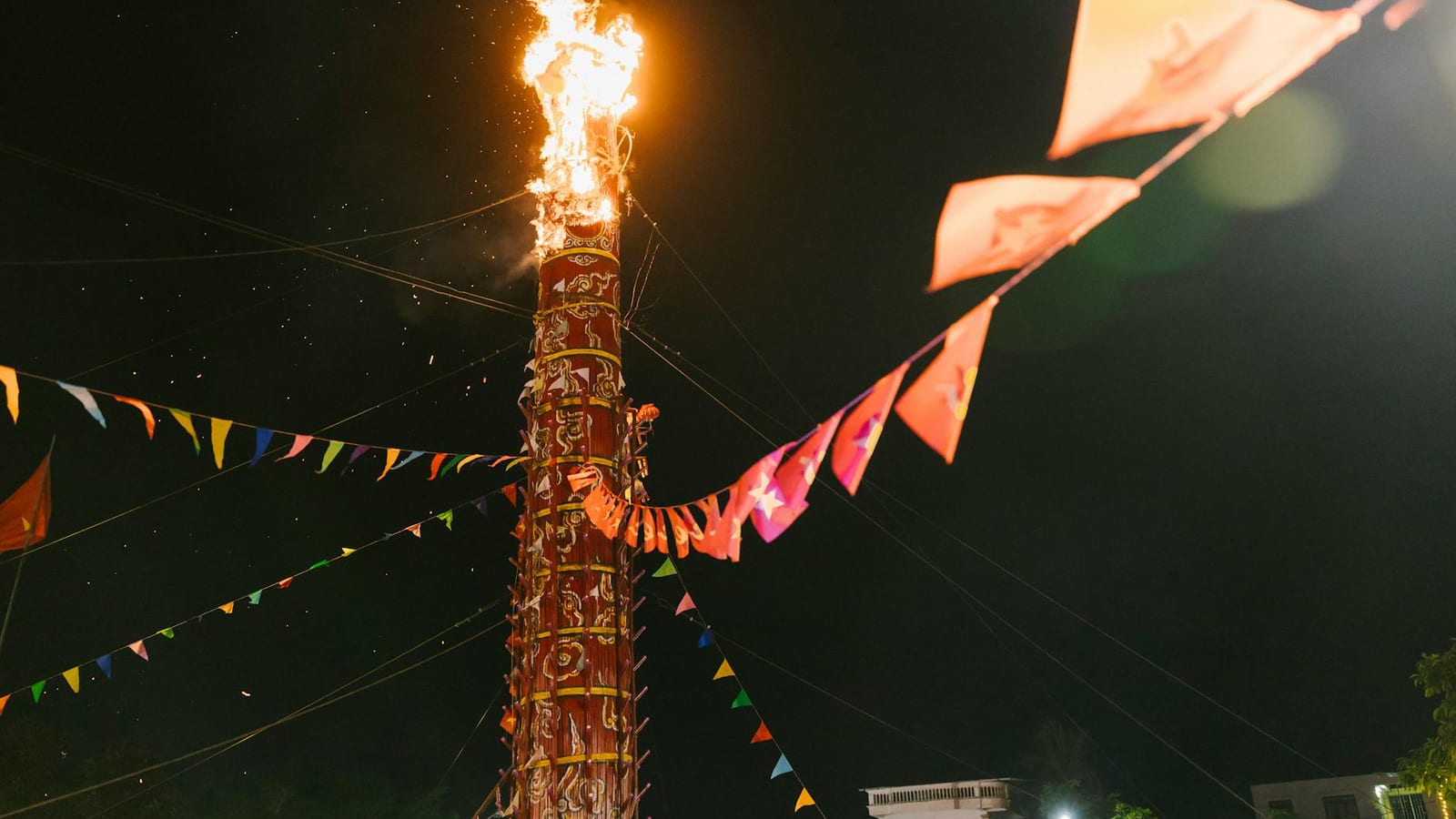
For a sweet shop owner, a flower seller, or a family planning the evening outing, Dussehra is not just a date on the calendar. It is a day where faith, timing, travel, and local business all move together.
This year, Dussehra falls on Saturday, October 12, 2024. Across India, families will mark the day as the victory of good over evil, while markets prepare for one of the busiest stretches before Diwali.
The day is also known as Vijayadashami. For many households, it means puja at home, a visit to a local ground for Ravan Dahan, and the start of festive buying.
Timings families will plan around
The Dashami tithi begins at 10.58 am on October 12, 2024. It ends at 9.08 am on October 13, 2024.
Shravan nakshatra begins earlier, at 5.25 am on October 12. It continues until 4.27 am on October 13.
For most people, the practical question is simple. When should the puja be done, and when should they reach the Ravan Dahan ground?
Drik Panchang places the Vijay muhurat from 2.02 pm to 2.48 pm. This 46-minute window is considered suitable for Shastra Puja, Aparajita Puja, and Shami Puja.
The wider afternoon puja period runs from 1.16 pm to 3.35 pm. That gives households and community organisers a little more room.
Ravan Dahan draws the crowds
The most visible part of the evening remains Ravan Dahan. Effigies go up in neighbourhood grounds, school fields, colony parks, and large public venues.
The preferred time for Ravan Dahan is during Pradosh Kaal, the early evening period after sunset. For October 12, the suggested window is from 5.53 pm to 7.27 pm.
That timing matters more than it first appears. For families, it decides dinner plans and travel. For police and civic bodies, it shapes crowd control.
For vendors, it can decide the day’s earnings. A chaat seller near a busy Ramlila ground may earn more in one evening than on several regular days.
Festival economics often works this way in India. Ritual brings people out. Footfall brings spending. Spending supports many small businesses that rarely appear in balance sheets.
Puja practices remain simple
The home puja remains fairly straightforward. Families usually place a clean red cloth on a small wooden platform.
They install images or idols of Lord Ram and Goddess Durga. Rice is coloured with turmeric and arranged for worship.
Many households also invoke Lord Ganesh before beginning the main ritual. Some also mark the nine planets as part of the puja.
Offerings usually include flowers, fruit, sweets, incense, and lamps. The ritual ends with prayer and, in many homes, charity.
The act of giving matters in this festival. It reminds people that victory is not only about power. It is also about restraint, duty, and responsibility.
Shastra Puja has a special place in some communities. People worship tools, weapons, books, vehicles, or instruments of work.
For a soldier, that may mean arms. For a mechanic, it may mean tools. For a student, it may mean books.
That is the quiet beauty of the festival. It lets different people place dignity on their own work.
Why Vijayadashami still resonates
The best-known story links Dussehra to Lord Ram’s victory over Ravan. Tradition says Ram defeated Ravan on Dashami and rescued Sita.
That is why the burning of Ravan’s effigy carries such strong symbolism. The act says evil may look powerful, but it is not permanent.
Another tradition connects the day to Goddess Durga’s victory over Mahishasur. In that telling, the day marks the defeat of arrogance and violence.
Both stories carry the same moral frame. Goodness must act, not merely hope. Justice needs courage, not only belief.
This is why Dussehra still feels current. Every generation finds its own Ravan, whether in corruption, fear, greed, or social cruelty.
For ordinary people, the festival also marks a turning point in the season. The rains have largely withdrawn. Markets prepare for Diwali.
Many families begin shopping for clothes, appliances, jewellery, vehicles, and gifts after Dussehra. Traders see it as the real opening of the festive sales cycle.
The business of belief
India’s festival calendar moves money in very human ways. Big companies watch sales charts. Small sellers watch the crowd outside their stall.
Dussehra sits at the start of that short but intense festive run. It helps create demand before Diwali, which arrives 20 days later.
This demand is not limited to temples or puja shops. It reaches transport, food, lighting, event work, clothing, and local advertising.
A stage contractor, a tent supplier, a drummer, and a sweets vendor all depend on these days. So do workers who earn daily wages from festive events.
For families, though, the spending is emotional before it is commercial. A box of sweets, a new shirt, or a toy from the fair carries memory.
That is why businesses treat festivals with care. The price can matter, but trust matters more. People return to shops that feel familiar.
The modern version of Dussehra now lives in two places. One is the local ground where Ravan burns. The other is the online cart filling up at home.
Both tell us the same thing. Festivals still guide how Indians spend, gather, travel, and remember.
Dussehra 2024 is therefore more than a list of muhurats. It is a day when faith gives structure to time, and time gives rhythm to everyday life. For families, workers, and small businesses, that rhythm is where the real festival lives.