Dussehra Opens Festive Season for Small Businesses
Dussehra 2024 brought rituals, Ravan Dahan timings and fresh demand for shopkeepers, sweet sellers, organisers and transport workers.
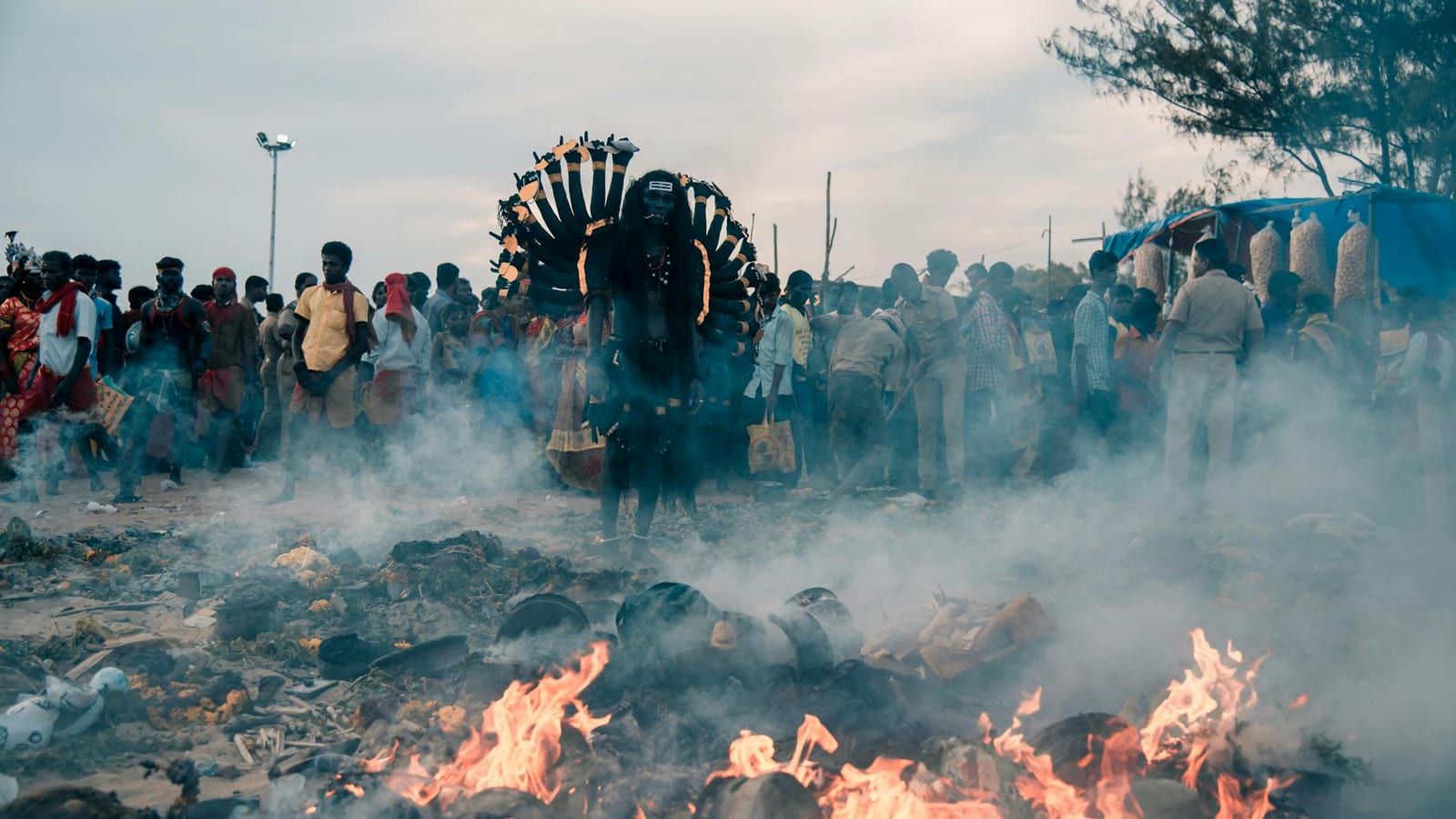
For shopkeepers, pandal organisers, sweet sellers and transport workers, Dussehra is not just a ritual day. It is also the first loud knock of India’s festive economy.
In 2024, Dussehra fell on Saturday, October 12. The day carried its usual mix of devotion, public spectacle, family routines and small business opportunity.
The religious calendar placed the main puja window in the afternoon. The familiar evening drama, Ravan Dahan, came later, between 5.53 pm and 7.27 pm.
Dussehra 2024 puja timings
The Dashami tithi began at 10.58 am on October 12, 2024. It ended at 9.08 am on October 13, 2024.
Shravan nakshatra began earlier, at 5.25 am on October 12. It continued until 4.27 am on October 13.
According to Drik Panchang, the Vijay Muhurat for Shastra Puja, Aparajita Puja and Shami Puja ran from 2.02 pm to 2.48 pm. That gave devotees a 46-minute window.
The broader afternoon puja period lasted from 1.16 pm to 3.35 pm. This gave families and institutions more breathing room for rituals.
For Ravan Dahan, the evening period mattered most. The stated auspicious window was from 5.53 pm to 7.27 pm.
Why the timing matters
In many Indian homes, timing gives structure to faith. People may not follow every ritual perfectly, but they still ask one basic question. What is the right time?
That question has a practical side too. Families plan visits around it. Housing societies set event schedules around it. Local vendors time their peak sales around it.
For organisers, the Ravan Dahan slot is almost like a live event window. Crowds gather after work, after markets close, and before children get too tired.
That timing affects everything from police deployment to food stalls. A one-hour change can alter footfall, sales and crowd control.
This is where a festival becomes part of the everyday economy. The ritual sits at the centre, but the ripple spreads wide.
Rituals inside Indian homes
The source tradition lists several rituals for the day. These include Shastra Puja, Aparajita Puja, Shami Puja and Ravan Dahan.
The puja method remains simple in many households. A clean red cloth is placed on a chowki. Images or idols of Lord Ram and Goddess Durga are installed.
Rice is coloured yellow with turmeric. A swastik is drawn as part of the worship. Lord Ganesh and the Navgrahas are invoked.
Families then offer fruit, flowers and sweets. Many also donate according to their capacity.
This last act matters. Festivals in India often mix devotion with redistribution. A small donation may not change the economy, but it changes the mood of the day.
For a family running on a tight budget, even festival spending needs planning. Sweets, clothes, travel, puja items and donations all add up.
That is why the festive season gives a clear signal about household confidence. When people spend freely, markets notice. When they hold back, markets notice faster.
The business of festive faith
Dussehra arrives just before the biggest consumption stretch of the Indian year. It comes ahead of Diwali, which falls 20 days later in the traditional telling.
That gap is important for business. It gives retailers a bridge from one festival to the next. Clothes, electronics, vehicles, gold, sweets and home decor all ride this period.
Small shops benefit too, not just big chains. A flower seller, a tailor, a toy vendor and a mithai shop all see the season differently.
For them, Dussehra is not a quarterly earnings chart. It is cash in the drawer, extra orders, late-night work and hope.
Even temporary workers feel the lift. Pandal construction, stage work, lighting, sound systems and local transport create seasonal jobs.
These jobs may last only days or weeks. But for many workers, that extra income matters before Diwali expenses begin.
The festival also supports a whole informal supply chain. Bamboo sellers, decorators, printers, priests, caterers and security staff all take part.
Large companies may speak of festive demand in polished presentations. But the real pulse sits in the bazaar.
If local markets look busy during Dussehra, traders often read it as a sign. It tells them whether consumers are ready for Diwali spending.
Victory, memory and modern India
The meaning of Vijayadashami rests on two main traditions. One links the day to Lord Ram’s victory over Ravan.
The other links it to Goddess Durga’s victory over Mahishasur. Both stories carry the same broad idea. Good defeats evil after a hard struggle.
That message still travels well in modern India. People may live in apartments, work on laptops and pay by UPI. Yet they still gather to watch an effigy burn.
There is something deeply public about Dussehra. Unlike many rituals that stay inside homes, Ravan Dahan pulls people into open grounds.
Children watch the flames. Parents record videos. Vendors sell snacks. Local leaders appear on stage. Police manage traffic.
It becomes a civic moment, not only a religious one. A neighbourhood sees itself for a few hours.
This also explains why the festival carries political and social weight. Public celebrations reveal who funds events, who attends them and who gets the microphone.
For businesses, that public energy matters. Brands often prefer festivals that bring people outdoors. Visibility is higher, and emotion is already built in.
Yet the heart of Dussehra remains older than marketing. It is still about renewal, discipline and choosing better conduct.
That is why Shastra Puja has survived in different forms. Some worship weapons. Others worship tools, vehicles, machines or books.
A factory owner may see machinery as the day’s focus. A driver may clean his vehicle. A student may place books before the deity.
In that sense, the ritual has quietly adapted to modern work. It honours the tools that help people earn.
Dussehra 2024, with its afternoon puja window and evening Ravan Dahan, followed a familiar rhythm. But the larger message stayed current. Faith gives people a calendar, markets get a season, and ordinary Indians get a moment to pause before the year’s busiest spending stretch. The real test, as always, comes after the flames die down: whether the promise of victory also brings a little more confidence to homes, shops and workers preparing for Diwali.