Dussehra Puja Timings Shape Festive Market Crowds
Dussehra 2024 puja and Ravan Dahan timings guide families, committees and traders as markets prepare for a concentrated festive rush on October 12.
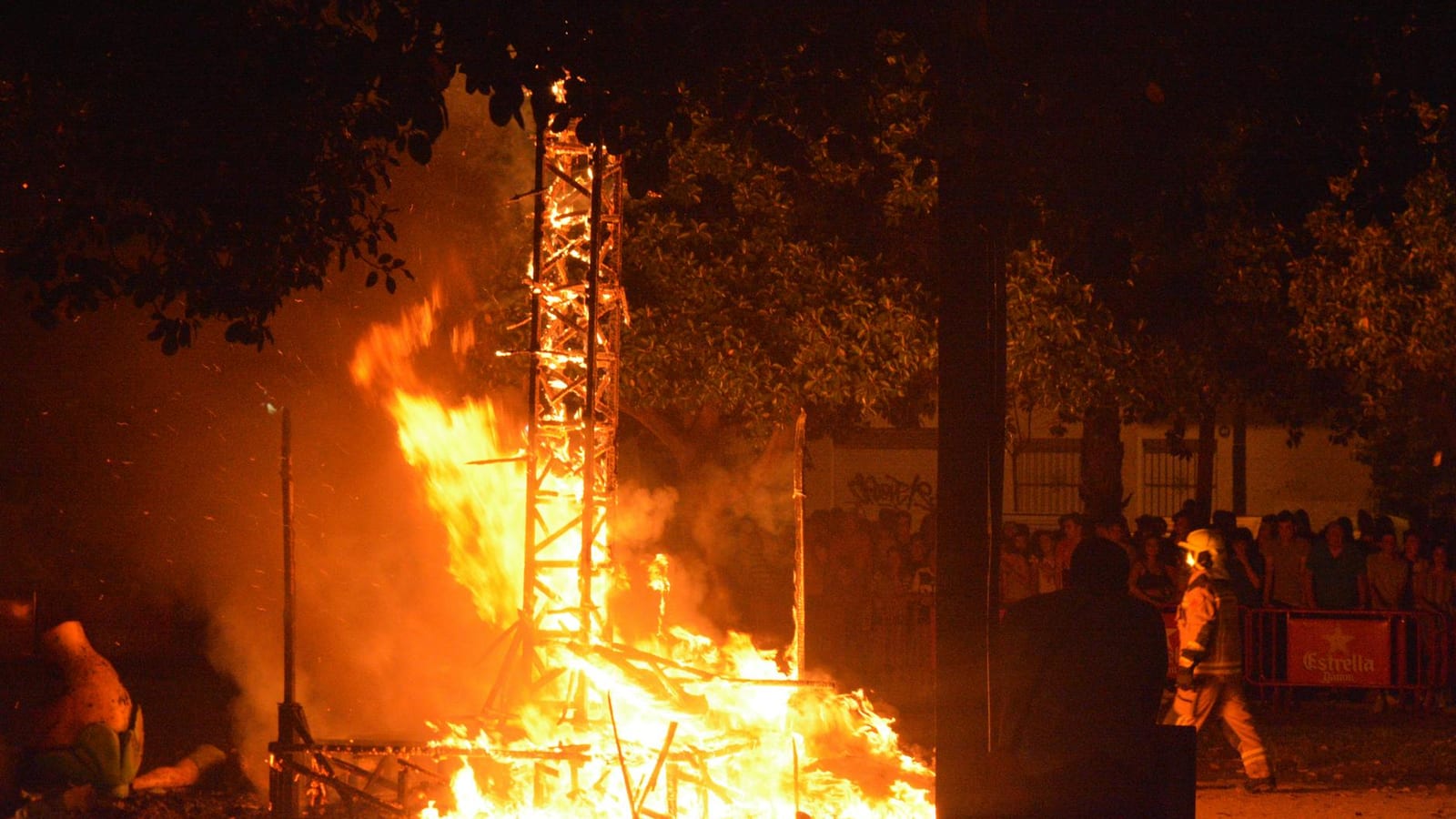
For many Indian families, Dussehra is not just a date on the calendar. It is the day when faith, shopping lists, local markets, and evening crowds all meet.
In 2024, the festival falls on Saturday, October 12. That means temples, neighbourhood committees, sweet shops, flower sellers, tailors, transporters, and small traders all work around one tight festive window.
The religious clock matters here. So does the business clock. When people know the puja time, the Ravan Dahan time, and the next festival rush, markets move with them.
Dussehra 2024 timings to note
The Dashami tithi begins at 10.58 am on October 12, 2024. It ends at 9.08 am on October 13, 2024.
Shravan nakshatra begins earlier, at 5.25 am on October 12. It continues until 4.27 am on October 13.
According to Drik Panchang, the Vijay muhurat for Shastra Puja, Aparajita Puja, and Shami Puja runs from 2.02 pm to 2.48 pm. That gives devotees a 46-minute window.
The broader afternoon puja period runs from 1.16 pm to 3.35 pm. This gives families more time to organise rituals at home, offices, shops, and community spaces.
Ravan Dahan drives evening crowds
Ravan Dahan is considered most suitable during Pradosh Kaal. In 2024, the suggested time is from 5.53 pm to 7.27 pm on October 12.
That timing is important beyond the ritual. It shapes the evening economy in towns and cities.
Local grounds start filling up before sunset. Food stalls prepare for the rush. Toy sellers, balloon vendors, parking attendants, and small snack counters depend on this one evening.
For a small vendor, Dussehra is not an abstract festival. It can be one of those days when footfall makes the week worthwhile.
For organisers, the timing also decides crowd control. Police deployment, road diversions, lighting, sound systems, and fire safety all revolve around that evening slot.
Puja rituals remain deeply local
The usual Dussehra puja begins with a clean platform covered in red cloth. Devotees place idols or images of Lord Ram and Goddess Durga on it.
Rice is coloured yellow with turmeric. A swastik is drawn as part of the worship of Lord Ganesh. The Navgrahas are also invoked.
Families then offer flowers, fruits, sweets, and other items. Many also give donations to people in need, based on their means.
This ritual pattern explains why festive demand spreads across many small businesses. Florists, sweet shops, fruit sellers, utensil stores, garment shops, and gift sellers all see extra movement.
The same applies to Shastra Puja. In many homes and workplaces, people worship tools, machines, vehicles, books, and weapons. The idea is simple. Work itself gets respect.
For traders and business owners, this carries a practical meaning. A shopkeeper may clean the counter. A mechanic may decorate tools. A transport operator may worship vehicles before the next workday.
Vijayadashami links faith and markets
Vijayadashami marks the victory of good over evil. The better-known story says Lord Ram killed Ravan on this day and freed Sita.
Another tradition links the day to Goddess Durga’s victory over Mahishasur. Both stories carry the same message. Evil may look powerful, but it does not get the final word.
That belief gives the festival its emotional strength. But the economic rhythm is just as visible.
Dussehra also arrives close to Diwali, which comes 20 days later. For Indian markets, this period acts like a long festive runway.
Families buy clothes, appliances, jewellery, vehicles, gifts, sweets, and home items. Businesses launch offers. Workers wait for bonuses. Retailers hope the mood improves.
A kirana store owner in a tier-2 city may not talk in corporate terms. But he knows exactly what festive demand means. More people walk in. Bigger baskets move out.
The same applies to online sellers, delivery workers, payment firms, and local wholesalers. One festival evening often feeds a larger chain of activity.
Why the timing matters
Festival timings matter because India still runs on a mix of faith and planning. A family may check the muhurat before puja. A trader may plan deliveries around it.
Event organisers also need certainty. If Ravan Dahan begins around early evening, transport and security plans must start much earlier.
For working families, Saturday timing may help. More people can attend local celebrations without rushing from offices. That can lift crowds at public events.
Still, bigger crowds bring bigger duties. Committees need fire clearances, safe exits, and proper barricades. Ravan Dahan may look festive, but it uses fire in public spaces.
That makes safety as important as devotion. One careless wire, one blocked exit, or one weak barricade can turn celebration into trouble.
Dussehra 2024, then, is about more than one ritual clock. It shows how Indian festivals still bind faith, family, markets, and public life. For ordinary readers, the takeaway is simple. Plan the puja, respect the crowd, support the small businesses around you, and remember why the day matters before the shopping season takes over.