Dussehra Rush Lifts Local Sellers Around Puja Timings
Dussehra 2024 puja windows and Ravan Dahan preparations drove festive demand for flowers, sweets, lights, transport and local event supplies.
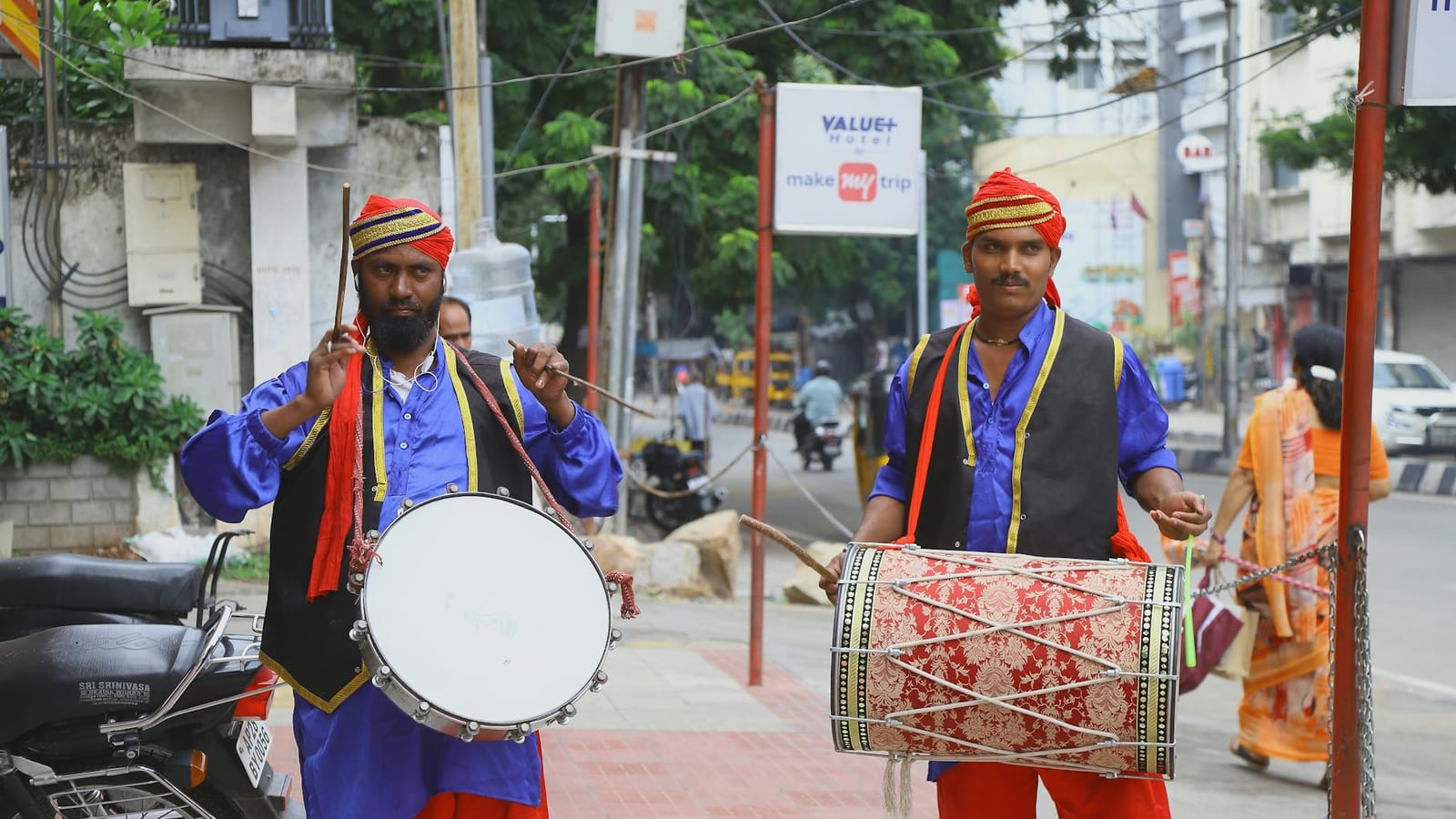
For one evening in October, India’s markets, maidans, and mohallas moved to the same clock.
Dussehra 2024 was observed on Saturday, October 12, with families checking puja timings, Ramlila committees preparing for Ravan Dahan, and small sellers counting on the festive rush.
The festival is spiritual at heart. But it also sets off a very real chain of spending. From flowers and sweets to costumes, sound systems, bamboo frames, lights, and local transport, Dussehra gives thousands of small businesses a busy day.
Timings that shaped the day
Vijayadashami falls on the Dashami tithi of the Shukla Paksha in the Hindu month of Ashwin.
In 2024, the Dashami tithi began at 10.58 am on October 12. It ended at 9.08 am on October 13.
The Shravan Nakshatra began earlier, at 5.25 am on October 12. It continued until 4.27 am on October 13.
Drik Panchang listed the Vijay Muhurat from 2.02 pm to 2.48 pm. This 46-minute window was considered suitable for Shastra Puja, Aparajita Puja, and Shami Puja.
The broader afternoon puja window ran from 1.16 pm to 3.35 pm. That gave households and community groups a little more flexibility.
For Ravan Dahan, the preferred time was during Pradosh Kaal. In 2024, that window ran from 5.53 pm to 7.27 pm.
Faith, markets, and one busy evening
Festivals in India rarely stay inside homes. They spill into streets, bazaars, parks, temples, and small commercial pockets.
A family buying marigolds may also buy sweets. A local organiser booking a sound system may hire electricians, carpenters, and transport workers. A street vendor near a Ramlila ground may do better business in one evening than in several ordinary days.
That is why Dussehra matters beyond the calendar. It marks a mood shift before Diwali, which comes 20 days later in the traditional telling linked to Lord Ram’s return.
For retailers, this period opens the festive buying cycle. Clothes, gold, electronics, home goods, sweets, gifts, and vehicles all begin seeing stronger customer interest.
The spending does not come only from big malls or online platforms. In many towns, the local halwai, florist, tent supplier, decorator, tailor, and toy seller all depend on this season.
What devotees performed at home
The puja method followed by many families was simple and familiar.
Devotees first placed a clean red cloth on a small wooden platform. They then installed images or idols of Lord Ram and Goddess Durga.
Rice mixed with turmeric was used to mark auspiciousness. Many households also invoked Lord Ganesh before beginning the main worship.
Some families performed Navgraha worship. Others kept the puja shorter, with flowers, fruits, sweets, and prayers.
Shastra Puja also remained central in many homes and workplaces. People worshipped tools, weapons, vehicles, machines, and work instruments.
This is where the festival quietly links faith with livelihood. A mechanic may worship his tools. A shopkeeper may decorate the cash counter. A driver may garland his vehicle.
The act carries a simple idea. Work itself deserves respect, because it feeds a family.
Many households also offered donations according to their ability. For ordinary families, this could mean food, clothes, or money for someone in need.
Why the story still resonates
Dussehra carries two major traditions in popular belief.
One tradition says Lord Ram defeated Ravan on this day and rescued Sita. That is why Ravan Dahan became the public symbol of the festival.
Another tradition links the day to Goddess Durga’s victory over Mahishasur. In both versions, the message stays the same. Good wins, but only after struggle.
This message explains why the festival travels so easily across regions. It can belong to a temple, a Ramlila stage, a family courtyard, or a workers’ workshop.
For children, Ravan Dahan is spectacle. For elders, it is memory. For traders, it is business. For workers, it is a day when tools and effort get public dignity.
There is also a practical side to such dates. When millions follow the same festive rhythm, cities must manage traffic, safety, crowd movement, fire control, and public spaces.
Ravan effigies need open grounds and careful handling. Markets need policing and crowd control. Local administrations often treat the evening as both a religious and civic event.
That mix is very Indian. Faith creates the gathering. Commerce follows the gathering. Governance then tries to keep both moving.
The larger business story is not hidden in boardrooms. It sits in the seasonal cash flow of small India.
A sweet shop may plan extra stock. A florist may wake before dawn. A costume seller may wait all year for Ramlila season. A light-and-sound vendor may recover slow months through festive bookings.
None of this makes the festival less sacred. If anything, it shows how deeply Indian economic life is tied to culture.
Dussehra 2024, with its fixed muhurats and evening Ravan Dahan, was a reminder of that old pattern. A festival can be prayer, performance, and payday at once. For ordinary Indians, the real meaning lies there, in the point where belief meets daily work.