Dussehra Timings Set Pace For Festive Retail Rush
Dussehra 2024 rituals and Ravan Dahan windows shaped evening footfall, purchases, traffic and event planning across festive markets for traders.
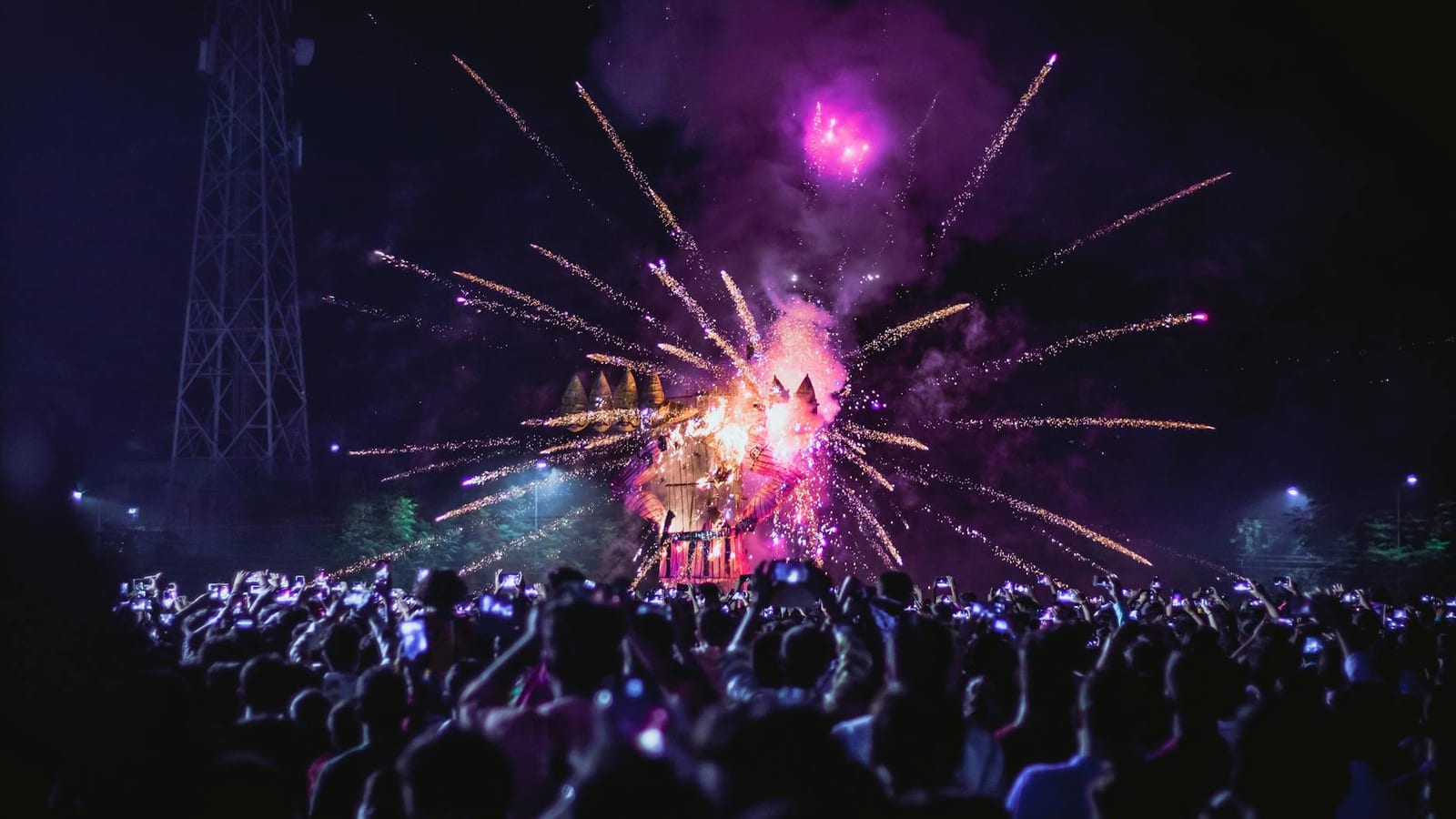
A festival evening can move more cash than many weekday sales campaigns.
On Dussehra, that movement starts early. Families buy sweets, children pick toys, committees hire sound systems, and traders watch footfall like hawks.
In 2024, Dussehra fell on October 12. The ritual calendar mattered, but so did the market clock.
Dussehra timings shaped the day
According to Drik Panchang, the Dashami tithi began at 10:58 am on October 12, 2024. It ended at 9:08 am on October 13.
That gave households and organisers a clear festive window. The Shravan nakshatra ran from 5:25 am on October 12 to 4:27 am on October 13.
The Vijay muhurat for Shastra Puja, Aparajita Puja, and Shami Puja was listed from 2:02 pm to 2:48 pm. That was a short 46-minute slot.
The broader afternoon puja window ran from 1:16 pm to 3:35 pm. For many families, that meant finishing rituals before stepping out for evening events.
Ravan Dahan was considered best during Pradosh Kaal. The stated time was 5:53 pm to 7:27 pm.
That timing matters beyond faith. It tells markets when crowds will move, when traffic will choke, and when last-minute purchases will peak.
Where festive spending actually flows
Dussehra spending rarely looks like one big-ticket purchase. It usually comes in many small bursts.
A family may buy flowers, sweets, coconuts, incense, new clothes, toys, and snacks. Each purchase may look modest. Together, they create serious local trade.
For mithai shops, the day brings a sharp rush. Demand usually leans towards laddoos, barfi, dry fruit boxes, and small gift packs.
For apparel sellers, Dussehra sits inside the wider festive season. Many households use it as a buying marker before Diwali, which came 20 days later in 2024.
Transport operators also feel the rise. Autos, app cabs, buses, and local parking contractors see movement around markets and Ravan Dahan grounds.
Small event vendors often get their best seasonal work here. Tent houses, lighting teams, electricians, stage workers, decorators, and sound system providers depend on these bookings.
This is why festival dates matter to business desks. A puja muhurat can quietly shape sales timing across an entire city.
Traders watch the evening rush
The real business action often begins after afternoon rituals end. That is when families leave home.
Markets near Ramlila grounds usually see strong snack sales. Chaat stalls, juice counters, popcorn carts, and toy sellers benefit from family crowds.
Toy traders get a familiar pattern. Children want bows, arrows, masks, glowing sticks, and small plastic weapons tied to the festival mood.
Sweet shops face a different pressure. They must manage freshness, staff, packaging, and delivery without letting queues scare customers away.
For small shopkeepers, inventory remains the biggest bet. Stock too little, and they miss the rush. Stock too much, and unsold goods eat into margins.
Vehicle dealers also track Dussehra closely. Many buyers see Vijayadashami as an auspicious day for delivery.
That helps two-wheeler and car showrooms plan handovers. It also lifts demand for accessories, insurance, number plates, and basic puja items.
The day can also stretch workers hard. Delivery staff, drivers, shop assistants, and event hands often work longer hours than usual.
Festivals bring joy, but they also reveal who carries the load. The market shines because many people work through the celebrations.
Rituals meet local commerce
The puja method in the source material followed familiar steps. Families place a clean red cloth on a platform, then install images of Lord Ram and Goddess Durga.
They use turmeric-coloured rice, make a swastik, and invoke Lord Ganesh and the Navgrahas. Fruits, flowers, and sweets form the offering.
Many also donate according to their capacity. That keeps the festival linked to charity, not only consumption.
Lord Ram and Goddess Durga sit at the centre of the stories behind the day. One tradition marks Ram’s victory over Ravan. Another remembers Durga’s victory over Mahishasur.
For business, the symbolism has a practical side. Festivals build confidence. People spend because the day feels auspicious.
That confidence can help small businesses more than glossy malls. A local florist, tailor, halwai, or electrician depends on repeat neighbourhood trust.
Still, costs have changed. Rent, fuel, packaging, and wages have risen in many cities.
So higher sales do not always mean higher profit. A shopkeeper may sell more boxes, yet keep less money after expenses.
That is the part many festive headlines miss. Turnover is the loud number. Profit is the quieter truth.
The wider festive signal
Dussehra also acts as a signal for the weeks ahead. Once Ravan Dahan ends, the Diwali buying cycle begins in full force.
That cycle touches almost every consumer category. Sweets, gold, clothes, phones, home appliances, paints, furniture, and vehicles all enter the race.
Online sellers push discounts. Offline traders push trust, credit, and immediate delivery.
For households, this creates choice and pressure. Everyone wants to celebrate well, but budgets do not stretch endlessly.
Young professionals paying rent or EMIs may delay big purchases. Families with school fees or medical bills may choose smaller celebrations.
That does not weaken the festival. It makes the spending more careful.
The smarter retailers understand this mood. They offer smaller packs, clear prices, and quick service.
Large brands chase festive emotion through campaigns. Small traders survive on timing, relationships, and knowing what their lane will buy.
That is why Dussehra remains more than a ritual date. It is a stress test for local commerce.
It shows how faith, family, and spending meet in ordinary Indian markets. The firecrackers end quickly, but the business lessons last longer.