Fake e-challan alerts push users into payment traps
Fake e-challan messages on WhatsApp exploit urgency and official logos to trick users into payments, showing how misinformation now carries financial risk.
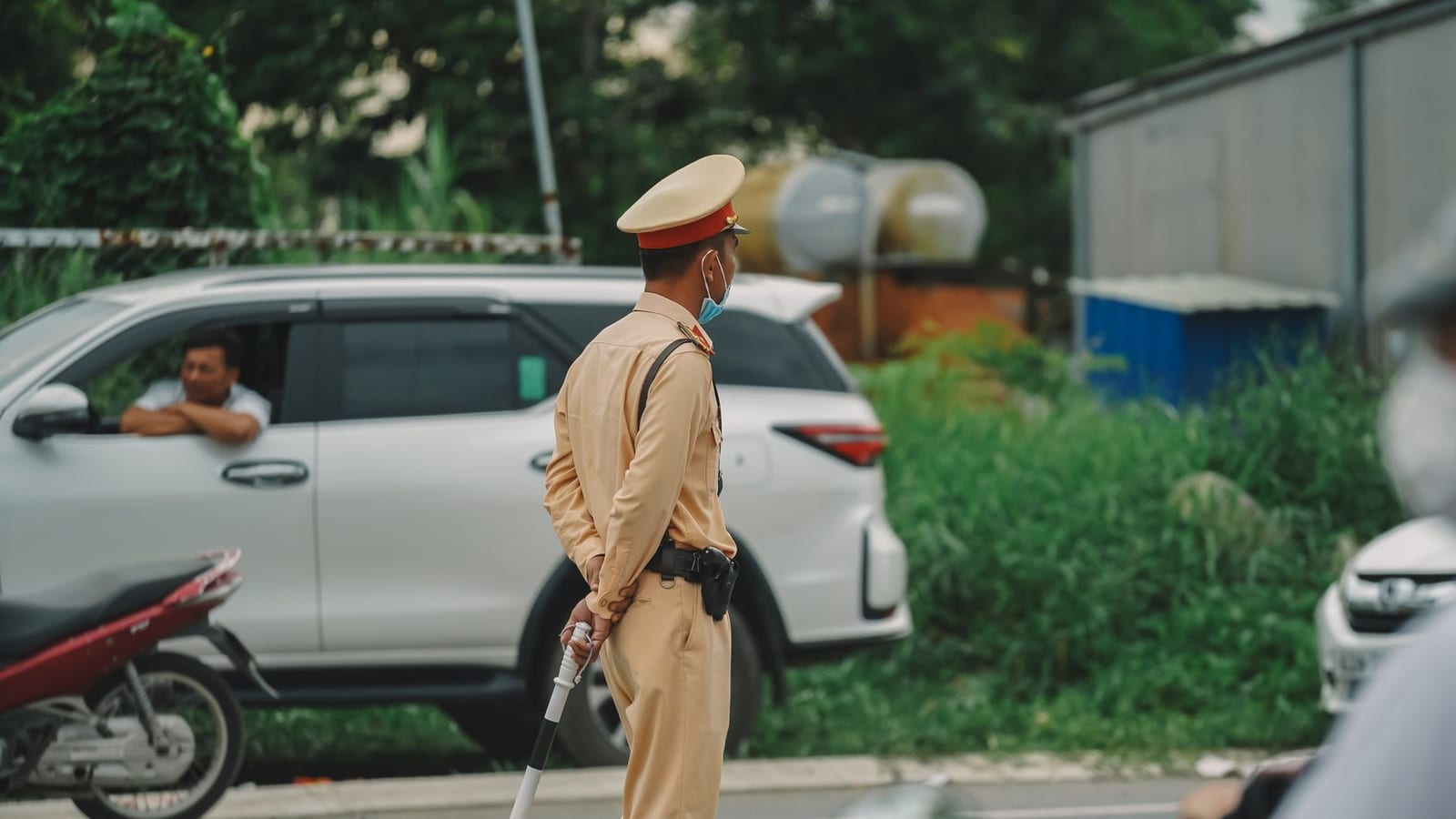
A fake traffic fine can now arrive before your morning tea cools. One tap, one panic payment, and money leaves your account before common sense returns.
That is the quiet business story inside India’s daily flood of misinformation. It is no longer only about politics or celebrity gossip. It now touches fuel, milk brands, railway concessions, public transport, and small digital payments.
For ordinary users, the problem feels simple. A message arrives on the family WhatsApp group. It sounds official. It carries a known logo. It asks for quick action. That is where the trap begins.
Fake fines target hurried users
One claim doing the rounds again involves Parivahan e-challans sent through WhatsApp. The message appears to warn users about a traffic fine, then pushes them to click a link.
This works because traffic fines create instant anxiety. Most people do not pause to check the domain name or sender details. They just want to avoid a bigger penalty.
That is exactly what scam messages exploit. They borrow the language of government services, then add urgency. Pay now. Click now. Verify now. In digital India, urgency has become the fraudster’s favourite tool.
For a salaried worker, even a small loss hurts. For a delivery rider or cab driver, a fake challan message can feel even more believable. Their work depends on vehicles, permits, and avoiding penalties.
The real warning here is not about one message. It is about trust. India has moved many services online, from vehicle records to tax payments. That shift saves time, but it also gives scammers a familiar costume.
Trusted names become bait
Fake offers around known brands show the same pattern. One circulating claim used Milma and a supposed ₹50,000 annual celebration gift.
The amount is not random. It is large enough to excite people, but not so large that everyone dismisses it instantly. That sweet spot makes fake giveaways travel fast.
Milk is a daily household purchase. A cooperative brand carries public trust, especially in Kerala. When that trust appears inside a forwarded message, many users lower their guard.
For businesses, this creates a reputational cost. A company may not lose money directly from every fake message. But it must spend time correcting lies, calming customers, and protecting its name.
Small businesses face a harsher version of this problem. A local retailer, dairy outlet, or service centre may suddenly get calls from confused customers. Staff lose hours answering questions about offers they never announced.
This is the hidden cost of misinformation. It does not always show up in quarterly results. But it eats into attention, customer confidence, and brand credibility.
Public services face confusion
Several claims also touch public transport and government benefits. One asks whether senior citizens still get railway ticket concessions. Another claims changes in KSRTC student concessions. A separate claim suggests ordinary buses were converted into city fast services after free travel discussions.
These are not harmless rumours. Transport rules affect household budgets. A student concession can matter to a family counting every rupee. A senior citizen discount can shape travel plans.
When unclear claims spread, people waste time and money. Some avoid travel. Some queue at counters for answers. Some argue with staff who had nothing to do with the rumour.
Government agencies often issue clarifications, but fake messages move faster. A correction usually sounds dull. A rumour sounds urgent, emotional, and personal.
That imbalance matters. India’s welfare and public service systems already demand patience from citizens. Confusing messages add another layer of friction for people who can least afford it.
For transport corporations, the problem is also operational. Conductors, booking clerks, and helpline workers become the first line of defence. They must explain policy while handling angry or anxious passengers.
Misinformation now hits wallets
The business angle is clear. Fake news has become a consumer protection issue. It affects payments, purchases, travel, and confidence in official systems.
Even fuel has entered the rumour cycle. One claim links ethanol-blended petrol to bees. Another set of claims touches vehicle-related penalties and official services.
Fuel, transport, milk, and fines are not abstract topics. They sit inside the monthly budget of ordinary families. When misinformation enters these areas, it no longer stays on the phone screen.
A young professional paying an EMI may click a fake fine link because the amount looks manageable. A parent may forward a subsidy claim because school transport costs have risen. A shopkeeper may believe a brand-linked offer because customers keep asking about it.
This is why digital literacy cannot remain a slogan. People need simple habits. Do not click payment links from forwarded messages. Check official apps or websites. Treat “limited time” warnings with suspicion. Call the company or department only through verified numbers.
Platforms also carry responsibility. WhatsApp forwards may feel private, but their scale is public. A false claim can jump across districts before any agency sees it.
Companies need faster public correction systems too. A pinned clarification, verified social handles, and clear customer helplines now form part of brand safety. In 2026, reputation management includes fighting fake screenshots.
India’s digital economy runs on trust. Every fake challan, fake gift, and fake concession weakens that trust a little. The next phase of consumer protection will not only happen in courts or government offices. It will happen in family groups, payment screens, and the few seconds before someone taps a suspicious link.