Fake Fuel And Airline Claims Disrupt Daily Spending
Viral WhatsApp hoaxes on petrol pumps, Air India flights and retailer offers are forcing households and small businesses into costly decisions.
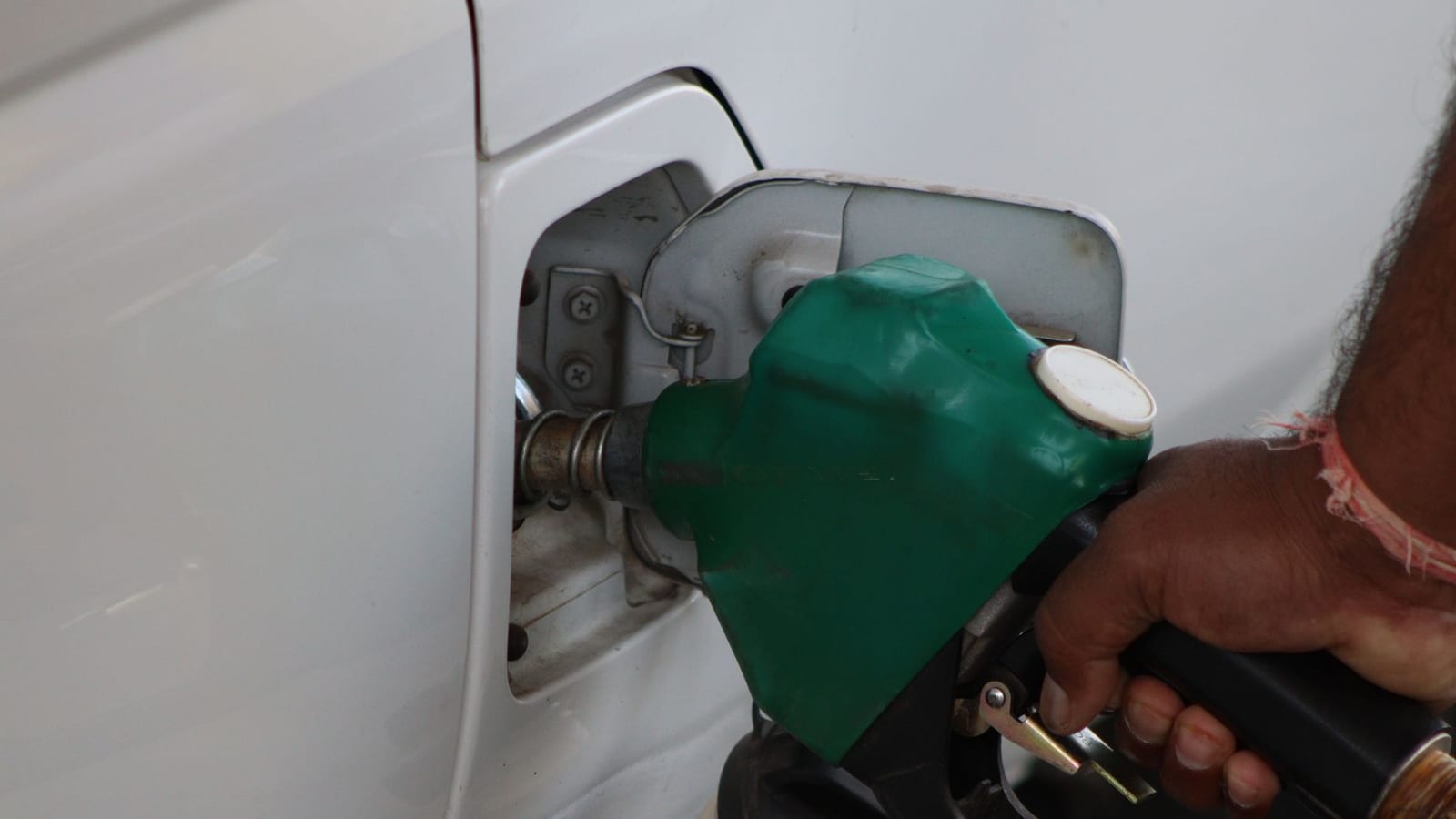
A fake petrol pump closure message can do real damage before lunch.
One WhatsApp forward says fuel stations will shut on Sundays. Another says Air India has cancelled all international flights. A third claims Lulu Hypermarket is giving away Bakrid gifts. None of these needs to be true to create confusion.
That is the quiet business cost of misinformation. It makes people rush, click, cancel, hoard, or panic. And in India, where family decisions often move through WhatsApp groups first, fake news can travel faster than any official correction.
Viral claims hit daily spending
The latest crop of Malayalam fact-checks shows how everyday services now sit at the centre of misinformation.
One false claim said petrol pumps would remain closed on Sundays. Think about what that does. A delivery rider fills up early. A small shop owner delays a supply run. A family planning a road trip changes its budget.
The claim may sound small. But fuel is not small in Indian household maths. Petrol and diesel shape commuting, logistics, vegetable prices, taxi fares, and school runs.
Another viral item claimed the country had only two days of oil left. That kind of message pushes a very old fear button. Indians remember shortages, queues, and price shocks.
Even when people do not fully believe such a message, they still act “just in case”. That is how rumours create real economic behaviour.
Brands become bait for scams
Big brands attract fake offers because trust already exists. That is why Lulu Hypermarket appeared in a false Bakrid gift claim.
The trick is simple. Use a known name. Add a festival. Promise a reward. Ask users to click, share, or enter personal details.
For shoppers, the risk is not just disappointment. Fake gift links can harvest phone numbers, payment data, or social media access. For brands, the damage is quieter but serious.
A retailer spends years building trust. One fake campaign can flood customer care lines, confuse staff, and make genuine offers look suspicious.
This is now part of the cost of doing business in India. Companies need not only marketing teams, but also rumour response systems.
The same pattern appeared in claims about free mobile recharge linked to the UDF’s election victory. Free recharge has become classic bait because it feels useful, immediate, and believable.
For lower-income users, even a small recharge matters. That makes such false offers especially cruel.
Transport rumours disturb real plans
Transport misinformation carries a different weight because it affects time, money, and movement.
A false claim said Air India had cancelled all international flights. For a family with a worker in the Gulf, that is not casual news. It can mean panic calls, changed airport plans, and expensive uncertainty.
Air India is still rebuilding public confidence after a difficult few years. Rumours around flight cancellations can hurt that process.
Travel is an industry built on certainty. Passengers need to know whether a flight will operate. Agents need reliable schedules. Hotels, taxis, and employers plan around those timings.
A false cancellation post does not need to fool everyone. It only needs to unsettle enough people.
There was also a claim about KSRTC launching free pink buses for women. Public transport messages spread quickly because they touch daily commuters.
For working women, students, and families, free travel claims feel practical. They also tap into real policy debates across states.
That is why such messages are persuasive. They borrow the language of welfare, even when the content is false.
Politics gives fake news fuel
Many of the flagged claims sit at the junction of politics and public trust.
One claim said Amit Shah had announced liquor prohibition from September 30. Another tied leaders to statements they had not made. Some posts used images, including artificial intelligence generated visuals.
Political misinformation often looks like entertainment at first. A dramatic image. A sharp quote. A claim that confirms what one side already suspects.
But it spills into business life very quickly. Markets dislike uncertainty. Traders dislike policy rumours. Consumers delay decisions when they sense instability.
A liquor ban rumour, for example, can affect retailers, transporters, hotels, and state revenue talk. It can also push panic buying.
The same applies to rumours about gold restrictions. Gold is not just an investment in India. It is savings, wedding planning, emergency money, and family security.
When fake claims touch gold, fuel, flights, or food retail, they stop being social media noise. They become economic signals, even if false.
AI makes old tricks sharper
One listed claim involved an AI-made image of a political figure’s family. That detail matters.
Fake news in India earlier depended on misleading captions and recycled photos. Now AI can create scenes that never happened.
For ordinary readers, this raises the burden of doubt. A realistic image no longer proves much. A screenshot no longer settles anything.
Businesses face the same problem. A fake letterhead, fake airline notice, or fake brand poster can now look polished within minutes.
This will force companies and public bodies to communicate faster. Slow clarification leaves a vacuum. In that space, the loudest forward often wins.
The practical answer is boring but essential. Check official websites. Look for verified social media handles. Avoid entering personal details into festival offer links.
Most of all, pause before forwarding. A few seconds of doubt can save someone money, time, or worry.
India’s misinformation problem is no longer only about politics. It has entered the bazaar, the bus stand, the petrol pump, and the airport queue. For ordinary people, the next skill may be as basic as budgeting itself: learning when not to believe a message that arrived too neatly, too urgently, and with too much confidence.