Fake Gift Claims Hit Shoppers And Brands On WhatsApp
Viral fake offers using retail brands are pushing shoppers to share data, delay purchases and spread panic through WhatsApp family groups in India.
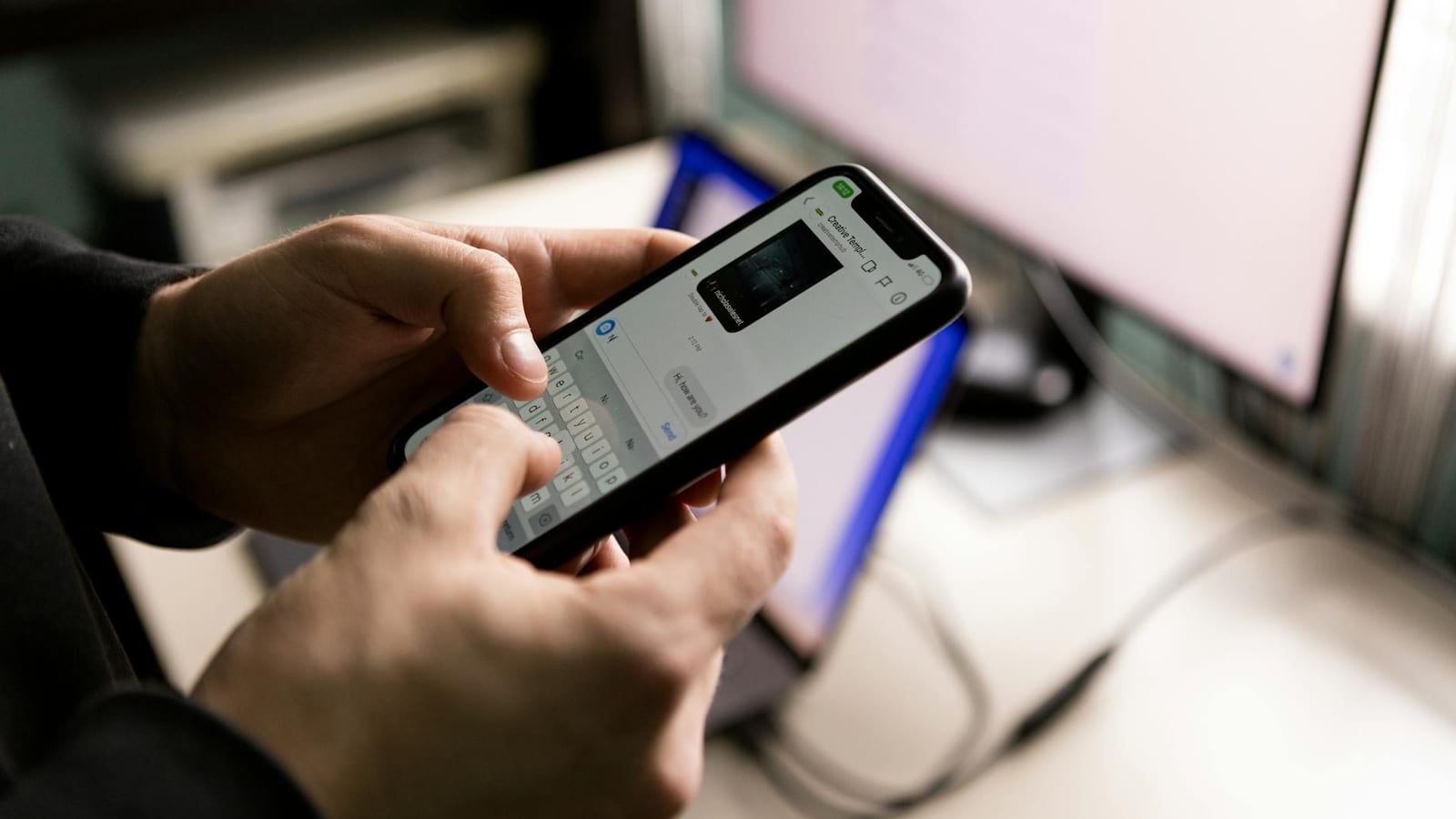
A fake free-gift message can look harmless until it reaches a family WhatsApp group before breakfast.
That is how misinformation now moves through India’s daily economy. One message says a supermarket is giving away festival gifts. Another claims petrol pumps will shut on Sundays. A third warns that a major airline has cancelled all international flights.
None of these needs to be true to cause damage. It only needs to make people click, panic, forward, or postpone a decision.
Fake offers target ordinary shoppers
One viral claim said Lulu Hypermarket was offering a Bakrid gift. The claim was flagged as fake. But the trick is familiar.
Festival seasons bring higher spending, tighter household budgets, and more emotional buying. A fake offer lands exactly there. It tells people they may miss a bargain if they wait.
For a middle-class family, this can mean sharing personal details on a dodgy link. For a small shop owner, it means customers ask why only big chains get such offers. Even a fake promotion can distort trust.
These scams work because they copy the language of real retail campaigns. They use brand names, festival timing, and urgency. That mix makes a lie feel like a discount coupon.
Transport rumours create real anxiety
Another false claim said KSRTC was launching free pink buses for women. A separate claim said Air India had cancelled all international flights.
Transport rumours carry a different kind of weight. People build their day around buses, trains, and flights. A bad message can make someone miss work, delay travel, or spend more on another option.
For women commuters, a claim about free travel can spread fast because it touches a real concern. Safe, affordable transport is not a luxury. It shapes jobs, college choices, and family routines.
The Air India claim shows the same pattern at a higher cost level. International travel involves visas, hotel bookings, leave approvals, and family plans. A fake cancellation notice can trigger expensive confusion.
That is why transport companies need quick public corrections. Silence leaves space for forwarded screenshots to look official.
Fuel and gold rumours hit wallets
One viral message claimed petrol pumps would remain closed on Sundays. Another said the country had oil left for only two days. Both claims were flagged as false.
Fuel rumours can disturb markets faster than many political rumours. Petrol and diesel sit inside almost every price tag in India. Vegetables, milk, courier charges, school vans, and factory supplies all depend on fuel.
If people believe pumps may shut, they queue up. If queues form, the rumour starts looking true. That is how panic creates its own evidence.
A separate claim about gold controls also taps into a very Indian anxiety. Gold is not just jewellery here. Families treat it as savings, security, and social insurance.
Any message about restrictions on gold can worry households quickly. It can also affect jewellers, pawn shops, and small lenders who work around gold-backed credit.
The larger business lesson is simple. Fake news does not need a stock exchange terminal to move money. It can move through a phone screen.
Politics now borrows market tricks
The same stream of misinformation also included claims around the UDF, BJP, ministers, elections, and public figures. Some claimed leaders had made statements. Others used edited images or false political promises.
One claim said UDF was offering three months of free recharge after an election win. That is a classic digital bait format. It mixes politics, welfare, and telecom spending into one shareable lie.
Free recharge is a clever hook because almost everyone understands its value. It feels small enough to be believable and useful enough to forward.
The political claims also show how misinformation borrows from advertising. It uses names people recognise, a clear benefit, and a deadline. The format is closer to a sales funnel than a public debate.
That matters for businesses too. Once people get trained to trust fake links, every brand becomes vulnerable. Banks, airlines, retailers, and telecom companies then spend money repairing trust.
AI images sharpen the problem
Some flagged claims involved manipulated or AI-generated images. One claimed a public figure was seen with another person in a misleading way. Another linked political leaders to events that did not happen.
AI has made this cheaper and faster. Earlier, a fake image needed some skill. Now, almost anyone can create a convincing visual with a few prompts.
For companies, this raises a new reputational risk. A fake product video, fake executive statement, or fake safety warning can spread before a clarification appears.
Consumers also face a harder test. People once asked, “Is this photo real?” Now they must ask, “Who released it, where, and why now?”
That is a heavy burden to place on ordinary users. Most people are not forensic experts. They are simply trying to get through the day.
The practical answer starts with slower forwarding. Check the official website. Look for the company’s verified social handle. Avoid links that ask for personal details in exchange for gifts.
Brands and public agencies also need to respond in plain language. A dry denial hidden inside a press note will not beat a colourful fake on WhatsApp.
India’s misinformation problem is no longer only about politics. It touches shopping, travel, fuel, education, gold, and daily trust. For ordinary readers, the next big financial mistake may not begin with a bad investment. It may begin with a message that looks too useful to ignore.