Father's Day 2026 Puts Marathi Notes on Family Screens
Marathi Father's Day messages are gaining space on WhatsApp and Facebook as families express gratitude, memory and affection for Baba.
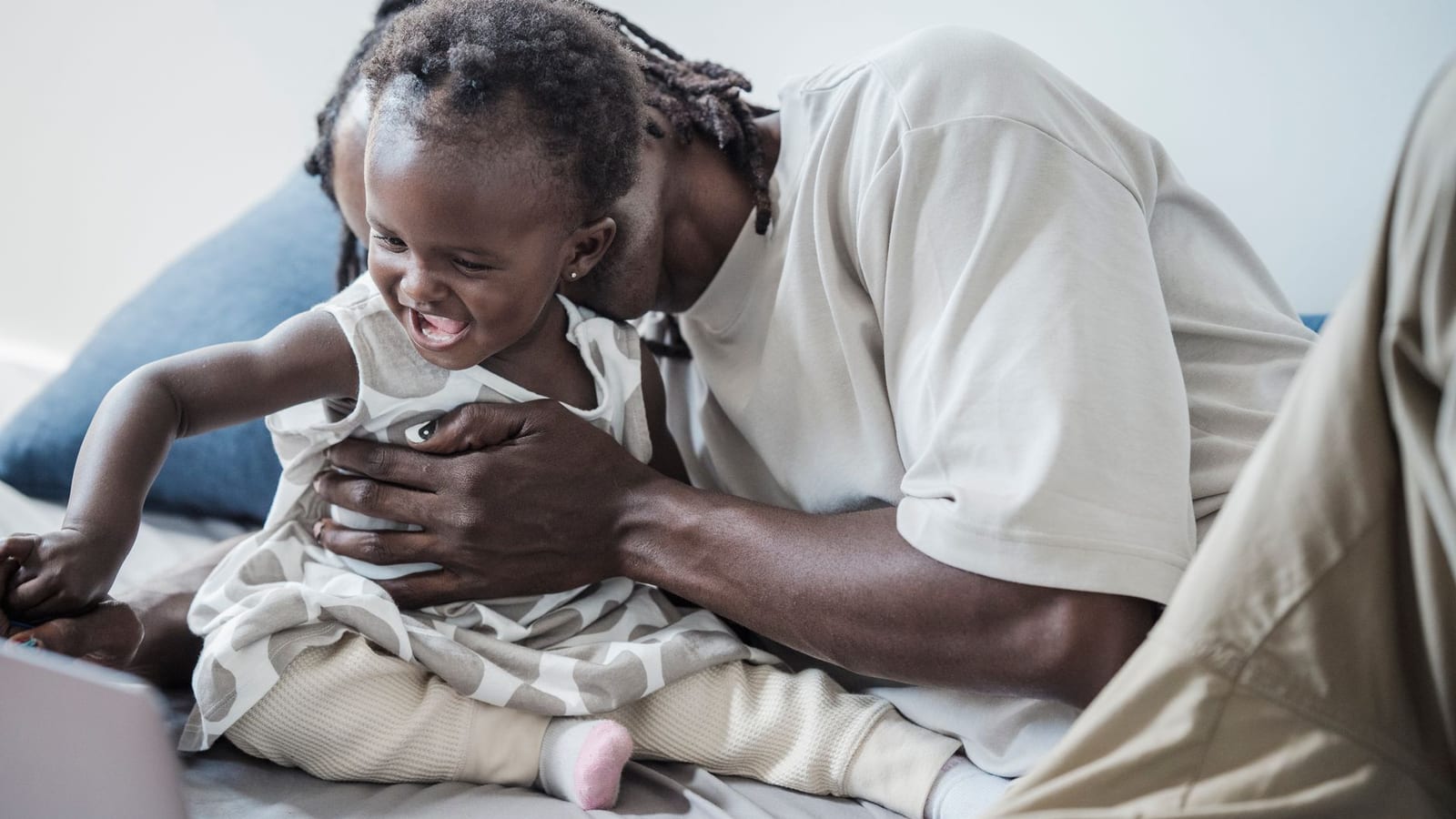
A short message can do what an expensive gift often cannot. It can tell a father, in his own language, that his quiet labour was noticed.
Father’s Day falls on June 21 in 2026. Across India, many families will mark it with calls, gifts, and social media posts. In Maharashtra, the most searched words will likely be simple ones: Baba, thank you, miss you.
This is not just about one greeting card day. It is also about how Indian families now express old emotions through new screens.
Marathi messages find new space
For many Marathi families, Baba is not a loud presence. He is often the person who paid fees quietly, fixed small crises, and stayed in the background.
That is why Marathi Father’s Day messages carry a special warmth. They speak of fathers as the strength of the home, the guide behind children’s dreams, and the person whose love shows more in action than words.
The emotional tone matters here. Many messages are not flashy. They say things children often struggle to say face to face.
Some remember fathers who are no longer around. The “Miss You Baba” sentiment has become common on social media. It gives people a public way to grieve, without needing a long speech.
WhatsApp makes emotion instant
WhatsApp has changed family communication in India more than any greeting card company ever did. A Father’s Day wish can now travel from Pune to Dubai in one tap.
That makes the day more democratic. You do not need a fancy gift or perfect English. A simple Marathi message can carry more weight than a polished caption.
This is where regional language content matters. English greetings often sound polished but distant. Marathi messages feel closer to the kitchen table, the school fee receipt, and the evening tea.
For working children living away from home, these messages also fill a gap. A call may happen later. A message can arrive first thing in the morning.
There is a small business angle too. Festival and occasion-based content drives huge attention online. Platforms, creators, publishers, and brands all understand this rhythm.
Facebook and Instagram turn personal
Facebook still remains the family album for many Indian households. Older relatives are there. Cousins comment there. Old photos find a second life there.
A Father’s Day post on Facebook is rarely just a caption. It often becomes a family gathering in the comments section. Someone remembers a trip. Someone shares a blessing. Someone posts an old photograph.
Instagram works differently. It rewards short captions, clean visuals, and emotional punch. A line about a father’s sacrifice can sit under a childhood photo and reach hundreds within minutes.
This has created a new habit. People now plan emotional expression like content. They choose a photo, search a quote, add music, and post at the right time.
That may sound too polished for family emotion. But it also helps people say what they cannot say directly. In many Indian homes, affection still travels better through gestures than speeches.
Why fathers remain harder to describe
Mother’s Day messages usually come easier. Indian culture has many ready words for a mother’s love. Fathers, strangely, often get described through duty.
That says something about us. We have long seen fathers as providers first, emotional beings later. Father’s Day content tries to soften that old picture.
The Marathi wishes in circulation reflect this shift. They call fathers heroes, protectors, guides, and the support behind children’s dreams. They also speak of sanskar, the values passed on at home.
That word is hard to translate neatly. It means more than manners. It means the invisible training a child carries into adult life.
For ordinary families, that is the real story. A father may not always explain his love. But children remember the school admissions, exam stress, job advice, and quiet sacrifices.
Brands will watch the sentiment
Every such occasion also becomes a marketplace. Gift sellers, food apps, card makers, and fashion brands will try to turn emotion into spending.
That is not automatically bad. A useful gift can be thoughtful. A shared meal can bring a family together. But the message should not get buried under the invoice.
The best Father’s Day wishes are still personal. They name what the father actually did. They remember a habit, a lesson, or a moment.
For businesses, the lesson is simple. Regional language is not a small corner of the internet anymore. It is where trust lives.
Marathi, Hindi, Tamil, Bengali, Telugu, Kannada, Malayalam, and other Indian languages carry family emotion better than imported templates. Brands that understand this will sound human. Others will sound like a discount banner.
Father’s Day 2026 will come and go in one Sunday. But the larger change will stay with us. Indian families are learning to say difficult things in familiar words, on very modern platforms. And sometimes, one honest “Baba, thank you” is enough.