Gold eases in Bengaluru as West Asia risks hit demand
Bengaluru gold rates fell by Rs 490 per 10 grams on May 26, while silver also softened as West Asia tensions and profit booking shaped trade.
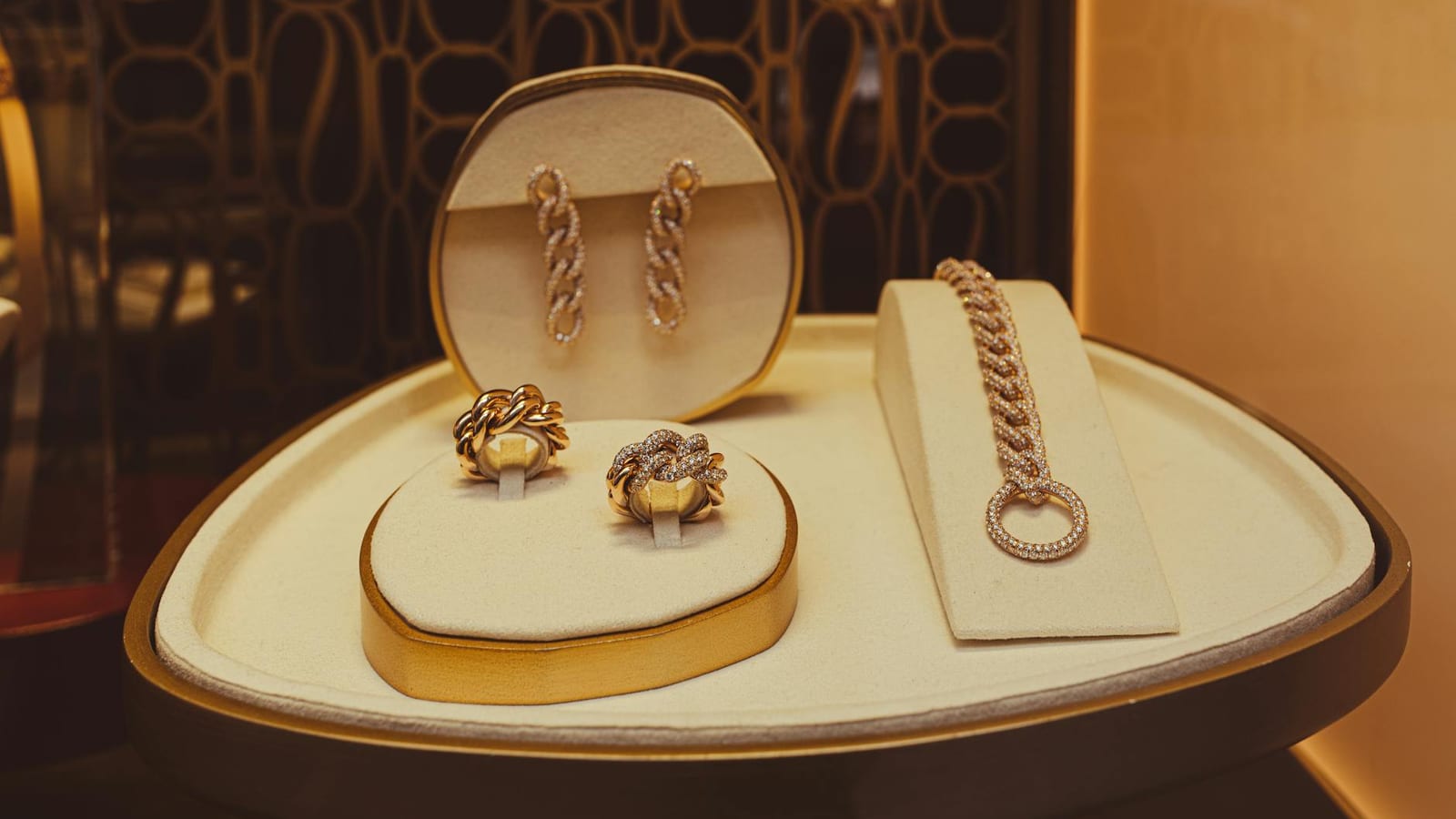
A family walking into a jewellery store today may get a small breather, but not real comfort.
In Bengaluru, 24-carat gold slipped by ₹490 for 10 grams on May 26, 2026. The rate stood at ₹1,58,890 for 10 grams, while one gram cost ₹15,889.
That is still a stunning number for most Indian households. A fall of a few hundred rupees helps, yes. But gold remains far from easy money.
Gold softens after West Asia tension
The immediate trigger sits far away from Indian jewellery shops.
The United States has continued strikes on Iran, citing self-defence. Tension around Hormuz also remains high.
For Indians, this may sound like distant geopolitics. But gold listens closely to war, oil routes, currency moves, and fear.
When the world looks risky, investors usually rush to gold. Yet prices can also fall when traders book profits after a sharp rise.
That appears to be the market mood now. Gold had already climbed to painful levels. Buyers had begun stepping back.
Jewellers know this pattern well. When rates rise too fast, wedding families delay purchases. Small buyers reduce weight. Some shift from heavy bangles to lighter chains.
India’s relationship with gold is emotional, but it is also practical. People buy it for weddings, savings, gifts, and security.
So every price move matters. A ₹490 fall on 10 grams may not change a wedding budget. But it can pull hesitant buyers back to the counter.
What buyers pay today
On May 26, 2026, 24-carat gold in Bengaluru was listed at ₹15,889 per gram.
For 10 grams, the rate stood at ₹1,58,890. That was ₹490 lower than the previous level.
The 22-carat rate also softened. One gram fell by ₹45 to ₹14,565.
For 10 grams, 22-carat gold was listed at ₹1,45,650, down ₹450.
Most jewellery buyers in India buy 22-carat gold. It is not pure gold, but it is harder and easier to shape.
Pure 24-carat gold is too soft for most ornaments. Investors may track it closely, but families usually buy 22-carat jewellery.
This distinction matters. When someone says gold is at ₹1.58 lakh, that usually refers to 24-carat gold for 10 grams.
The actual jewellery bill can look different. Making charges, GST, design costs, and wastage charges can add a heavy layer.
That is why a headline fall does not always feel like a fall at the billing desk.
A customer may see gold down ₹450, then still pay thousands extra on a necklace. The final price depends on purity, design, and the jeweller’s charges.
Silver also loses shine
Silver also moved lower today.
The rate stood at ₹284.90 per gram. For one kilogram, that works out to ₹2,84,900.
Silver does not carry gold’s emotional weight in Indian homes. But it matters deeply for traders, small investors, and industry.
People buy silver coins and utensils during festivals. Small shops keep silver as an affordable festive option.
Industry also uses silver in electronics, solar panels, and other products. So its price reacts to both investment demand and factory demand.
That makes silver more jumpy than gold. It can rise fast when industrial demand looks strong. It can also slip quickly when traders turn cautious.
For ordinary buyers, silver still looks expensive by old standards. A small fall may help those buying gifts or coins.
But like gold, silver has moved into a zone where many buyers think twice.
A lower day does not automatically mean a cheap market. It only means the pressure has eased for the moment.
Why prices move this way
Gold prices do not move only because Indians buy jewellery.
Global investors trade gold every hour. They watch the dollar, crude oil, interest rates, wars, inflation, and central banks.
When the dollar strengthens, gold often becomes costlier for buyers using other currencies. That can reduce demand.
When crude oil routes face risk, markets become nervous. Hormuz matters because it is a key route for global oil movement.
Any threat there can disturb oil prices. Higher oil prices can hurt import-heavy countries like India.
India imports most of its gold and crude oil. So global shocks often reach Indian consumers through prices.
The rupee also plays a role. If the rupee weakens against the dollar, imported gold becomes costlier.
That means local gold prices can rise even when global prices are steady.
This is why Indian buyers often feel confused. Global gold may fall, but local rates may not fall much.
Jewellery demand adds another layer. If families stop buying at high levels, jewellers adjust expectations.
But they cannot fully control prices. The bigger price signals come from international markets.
The real test for households
For families planning weddings, today’s fall offers only a narrow window.
A 10-gram purchase of 22-carat gold still costs ₹1,45,650 before extra charges. That is serious money.
For many middle-class households, gold buying now needs planning like a loan repayment. The old habit of casual buying has faded.
A parent buying jewellery for a daughter’s wedding may split purchases across months. A young professional may buy one small coin instead of jewellery.
A small business owner may avoid locking too much cash in gold. That cash may be needed for salaries, rent, or stock.
This is the part markets often miss. Gold is not just a commodity in India.
It is also a family promise, a backup fund, and a social signal.
When prices rise sharply, families do not stop caring about gold. They simply buy less of it.
Jewellers then feel the squeeze. Lower footfall hits daily sales, especially in smaller stores.
Big chains may manage through offers and finance schemes. Smaller jewellers depend more on local trust and repeat buyers.
That is why these price movements travel through the economy quietly. They affect households, shops, artisans, and traders.
For now, the fall in gold and silver prices may bring a little relief. But it does not change the larger truth.
Indian buyers are living in a market where global conflict can enter the family budget overnight. The next move will depend on West Asia, the rupee, and whether buyers return with confidence. Until then, every small dip will feel less like a discount and more like a chance to breathe.