Gold Eases As Silver Slips Despite Gulf Tensions
Gold fell by Rs 490 per 10 grams on May 26 while silver also eased, giving buyers limited relief as Gulf tensions kept markets wary.
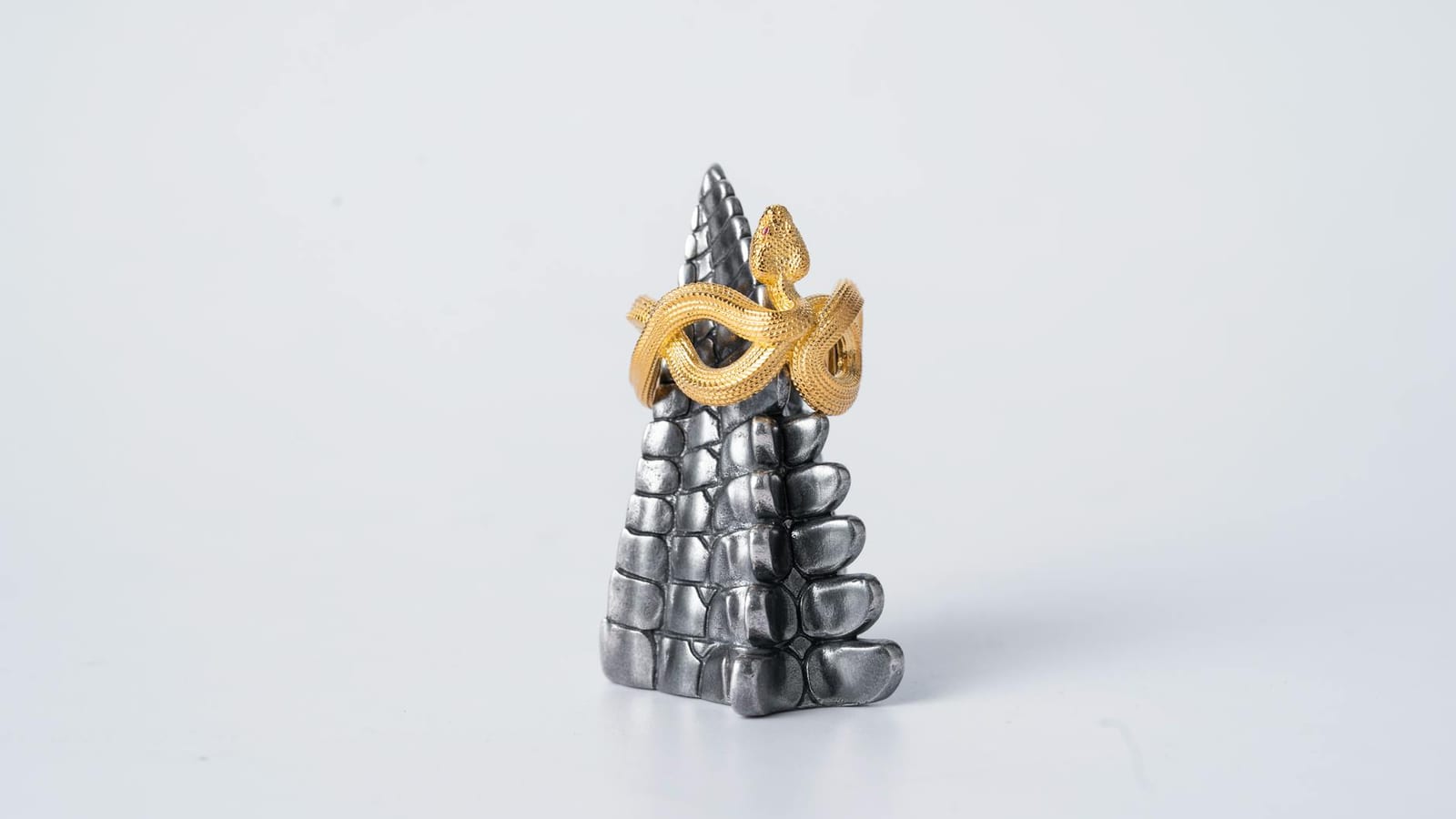
Gold buyers got a small breather on Tuesday, but nobody should confuse it for cheap gold.
On May 26, 2026, 24-carat gold slipped by ₹490 for 10 grams to ₹1,58,890. For a family planning wedding jewellery, that is relief only on paper. The bigger story is that gold still sits at levels that make even regular buyers pause.
Silver also softened, with the price at ₹284.90 per gram and ₹2,84,900 per kg. That matters for small jewellers, silverware buyers, and households that treat silver as the more reachable cousin of gold.
Gold slips despite war worries
The fall came at an odd time. United States strikes on Iran have kept the Gulf tense, and markets are still watching the Strait of Hormuz closely.
Normally, such fear pushes investors toward gold. People buy it when they worry about war, inflation, currencies, or shaky markets.
But gold does not move on fear alone. It also reacts to the dollar, bond yields, global trading positions, and local demand.
That is why Indian buyers saw prices cool even while oil markets worried about shipping routes and Gulf supply. In simple terms, gold had already run very hard. When prices climb too fast, some traders book profits.
What buyers paid on May 26
In Bengaluru, 24-carat gold stood at ₹15,889 per gram after a ₹49 fall. The 10-gram price came to ₹1,58,890.
For 22-carat gold, which most jewellery buyers prefer, the price dropped by ₹45 per gram. It stood at ₹14,565 per gram.
For 10 grams of 22-carat gold, buyers paid ₹1,45,650 after a ₹450 fall.
These are base rates. A customer at a jewellery store pays more than this.
The final bill includes making charges, wastage, and GST. A simple chain may carry lower making charges. A heavy bridal set can carry much more.
So, a ₹450 fall in the headline rate may not change the final bill dramatically. Still, it can influence timing. Many families wait for even a small dip when they have large purchases planned.
Silver also loses some shine
Silver’s fall matters for a different kind of buyer.
Gold often belongs to big-ticket events, weddings, savings, and family wealth. Silver sits closer to daily life. People buy silver lamps, coins, anklets, puja items, and utensils.
At ₹284.90 per gram, silver remains expensive by old household standards. But its lower entry price makes it easier for middle-class buyers to participate.
Small traders also watch silver closely because it has an industrial side. It goes into electronics, solar panels, and other products. That makes silver more sensitive to both investment mood and business demand.
When silver falls, it can help jewellers move smaller items. But if prices remain too high, even festival buying becomes selective.
A shopkeeper cannot simply tell customers that silver is down today. The buyer will ask the real question, “Down from what?”
Indian demand is turning cautious
The source of pressure is not only global markets. Indian jewellery demand has also cooled.
That is easy to understand. At these price levels, families do not buy casually. They compare rates, delay purchases, reduce weight, or switch designs.
A necklace that once came in at a comfortable budget may now require a compromise. Buyers may choose lighter pieces, machine-made designs, or exchange old gold.
For jewellers, this changes the business. Footfall may stay decent, but conversion gets harder. People walk in, check rates, and go home to think.
This is where the gold market gets very Indian. Demand does not vanish. It becomes patient.
Weddings, festivals, and family customs keep gold relevant. But high prices change behaviour. A buyer may still purchase, just less than planned.
Young professionals with home loans and school fees also think differently now. Gold remains emotionally powerful, but monthly budgets are very real.
Why the Gulf still matters
The Gulf tension is not a distant headline for India. It touches fuel prices, shipping costs, inflation, and the rupee.
The Strait of Hormuz is a narrow sea route, but its impact is wide. A large share of global oil and gas shipments has traditionally passed through it.
When trouble rises there, crude oil often climbs. Costlier oil hurts India because the country imports much of what it consumes.
That can weaken the rupee. A weaker rupee can make imported gold costlier for Indian buyers, even if global gold prices do not rise much.
So, the current dip in gold prices may not last if energy markets stay nervous. If oil keeps rising and the rupee comes under pressure, domestic gold prices can turn again.
This is the part many retail buyers miss. The gold rate at the shop is not just about gold. It is also about oil, currency, taxes, and global fear.
A small dip, not a bargain
For investors, Tuesday’s move is a reminder to avoid chasing every price tick.
Gold can protect wealth over long periods, but it can also punish impatient buyers in the short run. Buying only because the price fell for one day rarely works.
For jewellery buyers, the calculation is different. If the purchase is for a wedding or a fixed event, timing matters less than budget discipline.
A ₹490 fall on 10 grams helps, but it does not rewrite the market. Gold is still expensive. Silver is still elevated. The real choice is whether the purchase is necessary now.
Households should also compare making charges, buy hallmarked jewellery, and keep invoices safely. A lower gold rate means little if the buyer pays too much elsewhere.
For India, the larger signal is clear. Precious metals are now tied tightly to global politics, oil routes, and currency moves. The family gold purchase has become a small window into a much bigger world.
The next few days will show whether this fall was a pause or the start of a wider correction. For ordinary buyers, the sensible move is simple: watch the rate, know the full bill, and do not let one day’s dip do the thinking for you.