Gold, silver ease in Bengaluru as Iran tensions bite
Bengaluru gold and silver rates slipped on May 26 as US-Iran tensions rattled markets, offering jewellery buyers a modest price breather.
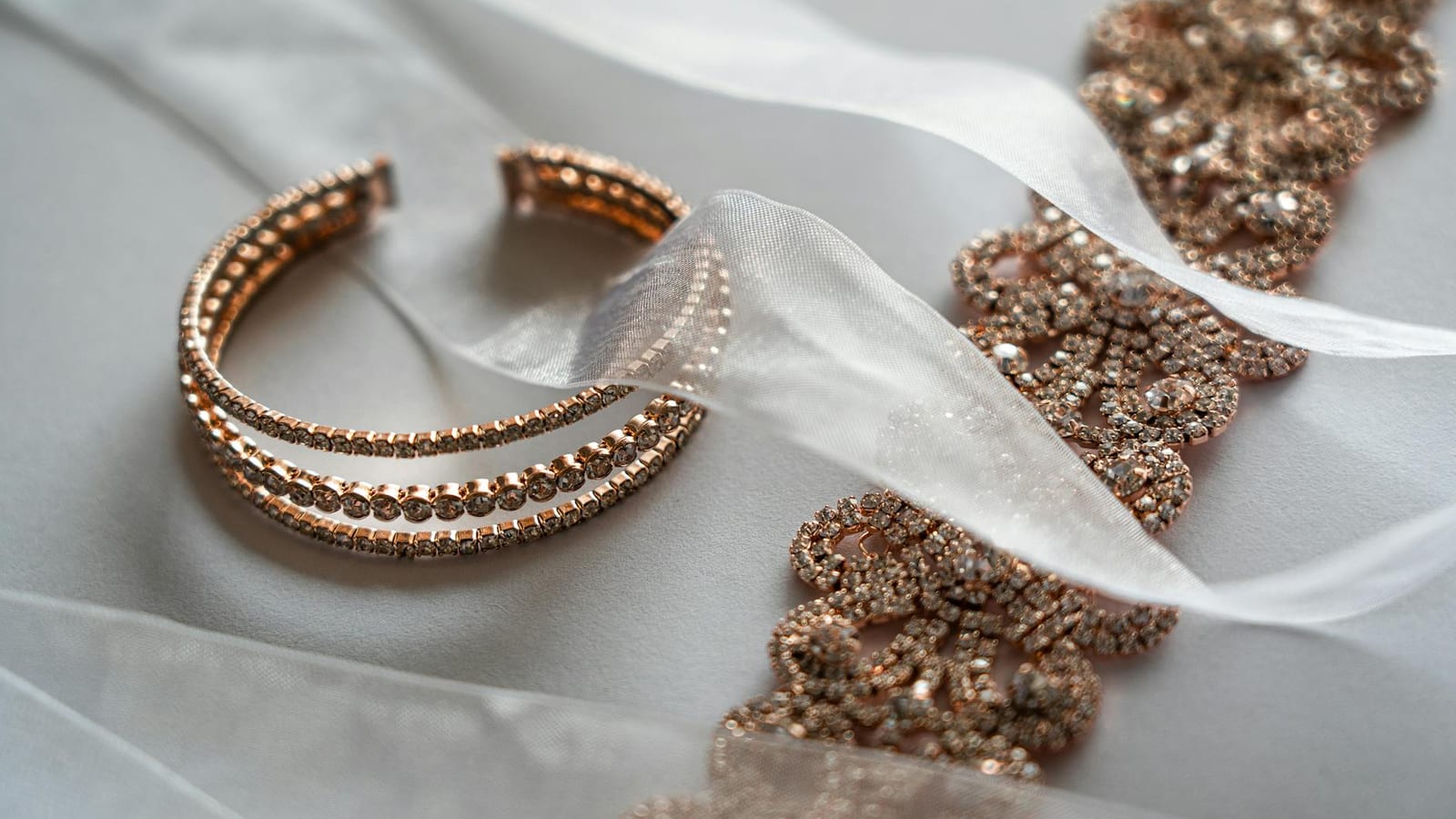
A family planning a wedding rarely watches geopolitics for fun. But this week, even a jewellery counter in Bengaluru felt the heat from West Asia.
Gold prices slipped on Tuesday, May 26, 2026, after fresh tension between the United States and Iran kept global markets nervous. Silver also moved lower, giving buyers a small breather after months of painful rates.
For ordinary Indians, this is not just a market ticker. Gold still sits inside weddings, savings plans, emergency funds, and family status. So even a modest fall can change the mood at a shop counter.
Gold softens in Bengaluru market
In Bengaluru, 24 carat gold fell by ₹490 per 10 grams on May 26. The rate stood at ₹1,58,890 for 10 grams.
That means one gram of 24 carat gold cost ₹15,889, down by ₹49. This is the purest form of gold usually tracked in bullion rates.
Most jewellery buyers, however, look at 22 carat gold. That is because ornaments need some alloy for strength.
The 22 carat rate fell by ₹45 per gram to ₹14,565. For 10 grams, the price declined by ₹450 to ₹1,45,650.
These are still very high numbers for most households. A fall of ₹450 may not change a wedding budget overnight. But it can decide whether a buyer adds a small chain, a pair of earrings, or simply waits.
Silver also loses some shine
Silver saw a softer move too. The price stood at ₹284.90 per gram, while one kilogram cost ₹2,84,900.
Silver matters more than people sometimes admit. Many middle-class buyers use it for gifts, rituals, utensils, and small savings.
For small jewellers, silver also brings regular footfall. A customer who cannot afford gold may still buy silver during a festival.
So when silver cools, the impact reaches beyond big investors. It touches gift shops, jewellery workers, and local traders who depend on daily buying.
The fall was not dramatic. But in precious metals, direction matters. Buyers watch a decline and wonder if more cuts will follow.
That waiting game can slow purchases for a few days. Jewellers know this pattern well. Once prices fall, customers often ask the same question: should I buy today, or wait till tomorrow?
Why West Asia moves Indian prices
The trigger sits far from Indian jewellery markets. The United States said it acted in self-defence against Iran, while tension around the Hormuz route continued.
Hormuz is not just another sea passage. A large share of global oil cargo moves through that narrow stretch.
When tension rises there, traders worry about oil supply, inflation, shipping costs, and wider conflict. These fears move currencies, oil, stocks, and gold.
Gold usually gains when the world looks risky. Investors treat it as a safer asset during war scares or financial stress.
But markets do not move in a straight line. Sometimes gold falls even during tension. Traders may book profits after a sharp rise. Currency moves can also change local prices.
Indian rates also depend on the rupee, import costs, taxes, and global bullion prices. India imports most of its gold needs, so international moves quickly reach local counters.
That is why a conflict headline in West Asia can alter a rate board in Bengaluru. The chain may look distant, but it works fast.
For a household buyer, the logic is simpler. If the number at the shop drops, the purchase becomes slightly easier. If it jumps, the family cuts weight or delays the plan.
Buyers get relief, but not comfort
The latest fall gives buyers some relief. It does not make gold cheap.
At ₹1,45,650 for 10 grams of 22 carat gold, a modest purchase still needs serious money. Add making charges and taxes, and the final bill climbs further.
This matters most for families with fixed budgets. Wedding purchases rarely happen in a vacuum. They compete with venue costs, food, travel, clothes, and gifts.
Young professionals also face a different pressure. Many want gold as an investment, but home loans and rent already eat into monthly income.
For them, every dip creates temptation. Yet buying gold at such high levels needs care. A lower price today does not guarantee a bargain tomorrow.
Small jewellers face their own problem. High prices reduce impulse buying. Customers bargain harder, choose lighter designs, or exchange old gold.
That affects artisans too. When buyers shift to lighter pieces, workshops may get fewer labour-heavy orders.
Large jewellery chains can manage with advertising and financing schemes. Smaller shops often depend on trust and repeat customers.
So a fall in price can bring some buyers back. But it also signals uncertainty, and uncertainty makes families cautious.
What investors should watch now
Gold has become a daily conversation because prices have climbed far beyond old comfort levels. Many Indians still remember when ₹50,000 for 10 grams felt expensive.
Now, buyers must think harder. Are they buying for use, emotion, or investment? Each answer needs a different approach.
For jewellery, the price is only one part of the bill. Making charges can be steep, especially for detailed designs.
For investment, coins, bars, exchange traded funds, and sovereign gold bonds each work differently. They also carry different costs and risks.
Silver brings even more volatility. It moves with investment demand, but also with industrial use. Factories use silver in electronics, solar panels, and other products.
This means silver can rise fast and fall fast. Small investors should not treat it as a guaranteed shortcut.
The next few days will depend on global cues. Any fresh flare-up between the United States and Iran can shake sentiment again.
Oil prices will also matter. If energy costs rise, inflation fears may return. That can push investors towards gold once more.
The rupee will play a role too. A weaker rupee can make imported gold costlier for Indian buyers, even if global prices cool.
For ordinary readers, the lesson is plain. Do not buy gold only because the rate fell for one day.
If the purchase is for a wedding or ritual, plan within your budget and compare charges. If it is for investment, spread purchases over time.
Gold has always carried emotion in Indian homes. But at these prices, emotion needs a calculator beside it. The latest dip may help buyers breathe, but it has not removed the bigger worry. Precious metals now move with wars, oil routes, currencies, and global fear. The smartest buyer will watch all of them, then decide calmly.