Gold, silver prices ease in Bengaluru as buyers wait
Bengaluru gold and silver rates slipped on May 26, with 22 carat and 24 carat prices lower despite Iran-US tension in global markets.
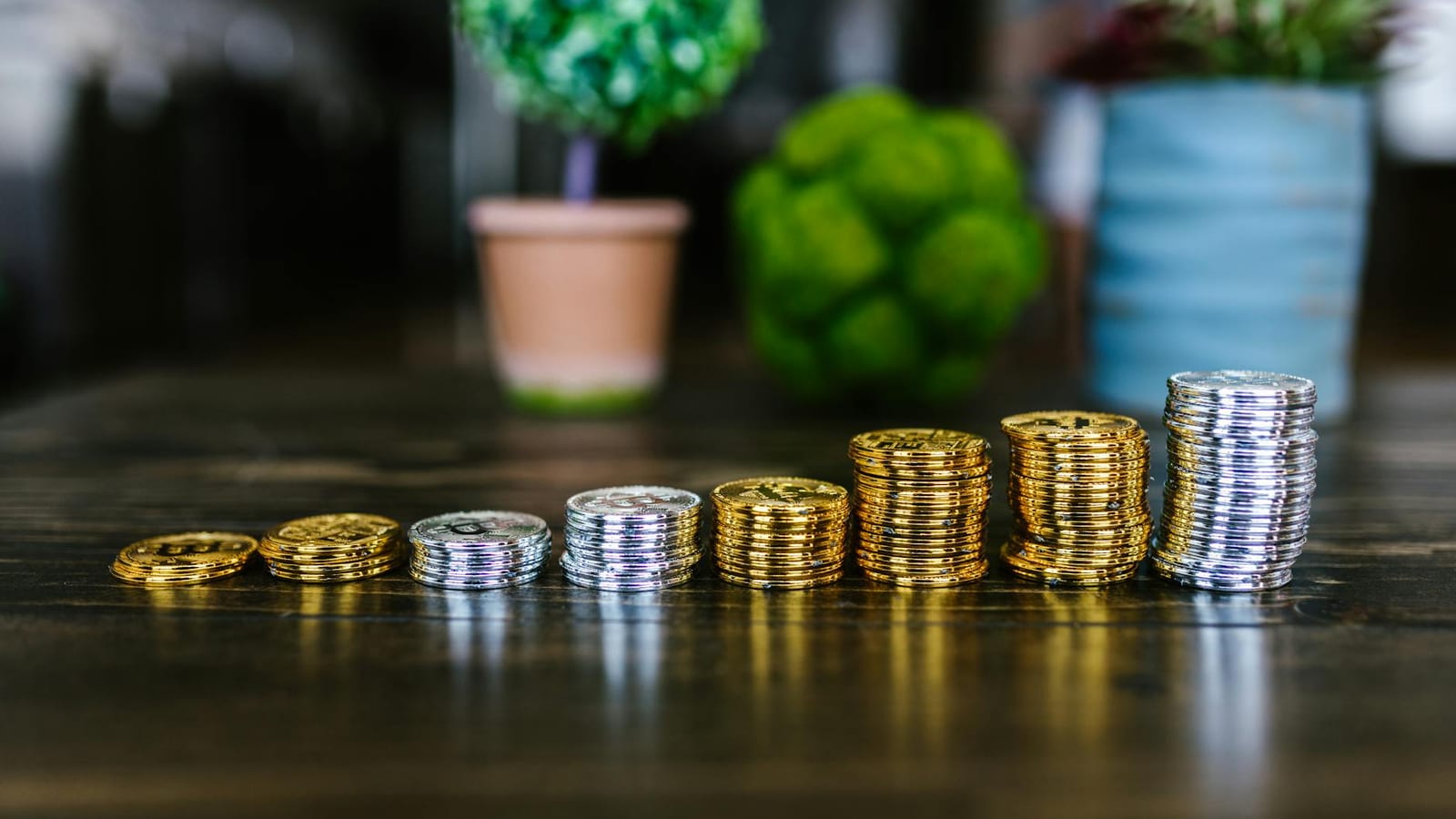
A ₹490 fall on a 10 gram gold coin may not sound dramatic. But for a family pricing wedding jewellery, every small drop matters.
On May 26, 2026, gold and silver both slipped in Bengaluru’s local market, even as tension around Iran and the United States kept global traders nervous. That mix looks odd at first glance. War talk usually pushes gold up.
But Indian gold prices do not move on fear alone. They also listen to the buyer at the counter. And right now, that buyer appears careful.
Bengaluru rates soften despite tension
Vijaya Karnataka reported that 24 carat gold fell by ₹490 for 10 grams on Tuesday, May 26. The new rate stood at ₹1,58,890 for 10 grams.
For smaller buyers, the one gram price matters more. That dropped by ₹49 to ₹15,889. This is the number many households track before buying a coin, ring, or small gift.
The 22 carat rate also eased. One gram fell by ₹45 to ₹14,565. The 10 gram price moved down by ₹450 to ₹1,45,650.
Most jewellery buyers in India buy 22 carat gold, not 24 carat. Pure gold bends easily, so jewellers mix it with other metals for ornaments. That is why the 22 carat rate sits at the heart of the retail market.
Silver also loses some shine
Silver also weakened, though the move looked smaller in daily terms. The reported price stood at ₹284.90 per gram.
On a kilogram basis, silver touched ₹2,84,900. That number matters for traders, larger buyers, and businesses using silver for gifting or industrial work.
Silver behaves differently from gold. Gold is mainly a store of value and a jewellery metal. Silver also moves with industrial demand, including electronics and solar equipment.
That makes silver more sensitive to business mood. When buyers slow down, or traders expect weak demand, silver can slip even when gold stays supported.
Why gold can fall in a crisis
At first, the fall looks strange. The US has continued action against Iran, and worries around Hormuz remain alive. The Strait of Hormuz is a narrow sea route, but it carries huge energy importance.
If tension rises there, oil prices can jump. Costlier oil hurts India because we import most of our crude. It can also push inflation higher.
Gold usually gains during such fear. Investors treat it as a safer place when currencies, stocks, or bonds look shaky. That is the old rule.
But local Indian rates add more layers. The rupee’s movement, import costs, taxes, global prices, and local demand all matter. A weak counter-sale day can soften rates even during noisy global news.
There is also simple buyer fatigue. When prices rise too fast, households pause. They check old jewellery, delay purchases, or reduce the weight of new ornaments.
That does not mean Indians have fallen out of love with gold. It means even gold has a budget limit.
The real bill is bigger
The displayed gold rate is only the starting point. A buyer never walks out paying only that number.
Jewellers add making charges. These cover design, labour, wastage, and store costs. For plain ornaments, making charges may stay modest. For detailed designs, they can climb sharply.
Then comes GST. That tax applies to the gold value and making charges. So a ₹450 fall on 10 grams may not reduce the final bill by exactly ₹450.
This is where many buyers get caught. They compare only the gold rate board. But two shops can quote the same gold rate and still hand over different final bills.
For wedding-season families, this matters. A necklace, bangles, and earrings can add up fast. Even a small change in making charges can outweigh a daily fall in gold price.
The smarter buyer asks three questions. What is the gold rate? What is the making charge? What is the final bill after tax?
What jewellers and karigars watch
For jewellers, lower prices bring mixed news. A fall can bring customers back to the shop. It can also make existing stock look expensive if prices keep sliding.
Small jewellers feel this more sharply than large chains. Big players can manage inventory better. They also use hedging, which means they protect themselves from sudden price swings.
Smaller shops often depend on daily cash flow. If buyers stay away during high prices, the pressure reaches karigars too. These are the skilled workers who shape, polish, and finish ornaments.
When orders slow, workdays shrink. When wedding demand returns, workshops get busy again. Gold price moves may look like market data, but they travel quickly into labour rooms and small lanes.
Customers also behave differently at these levels. Some buy coins instead of jewellery. Some exchange old ornaments. Some choose lighter designs.
This is why a price fall does not automatically mean a buying rush. It depends on confidence, season, income, and how long people think the dip will last.
The bigger signal from Tuesday’s rates is caution. Global tension has not disappeared. Local demand has not fully powered through high prices either. That leaves gold in a narrow, watchful space.
For ordinary buyers, the lesson is simple. Do not chase one day’s fall blindly. Check the full bill, compare making charges, and buy for need, not panic. Gold may glitter in uncertain times, but the smartest purchase still starts with a clear budget.