Gold, Silver Prices Ease as Iran Tensions Rattle Markets
Gold and silver rates fell in India on May 26 as US-Iran tensions kept markets nervous, giving jewellery buyers a modest price breather.
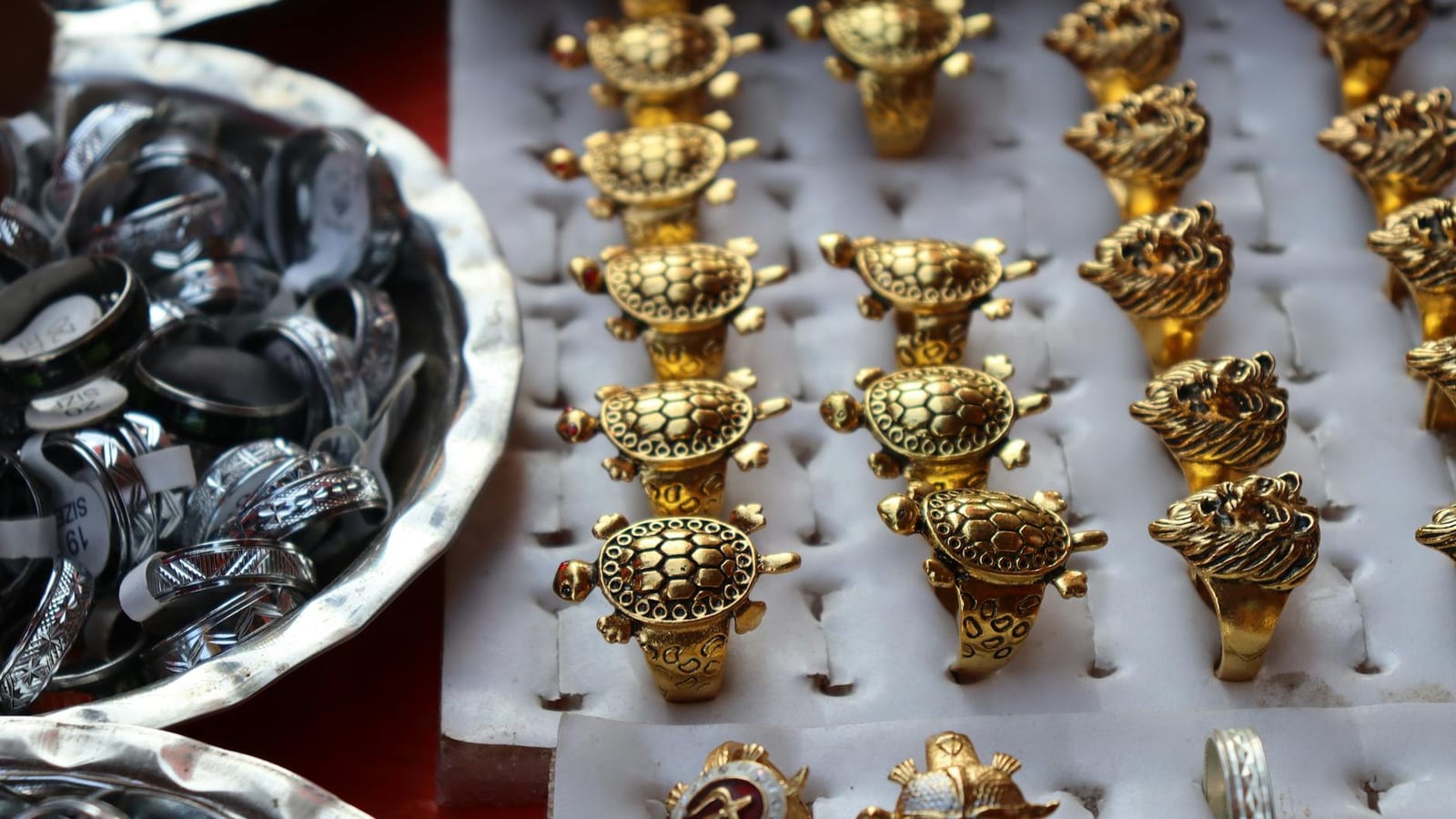
A wedding shopper who waited one more day for gold got a small breather on Tuesday. Not a windfall, but enough to make families pause before swiping the card.
Gold prices softened on May 26, 2026, even as tension between the United States and Iran kept global markets nervous. In India, that meant jewellery buyers saw lower rates for both gold and silver.
For a country where gold is not just an investment, this matters. It sits in wedding budgets, festival shopping lists, family lockers, and small-town savings plans.
Gold slips after global tension
The price of 24-carat gold fell by ₹490 for 10 grams on Tuesday. The listed rate stood at ₹1,58,890 for 10 grams.
For buyers tracking smaller purchases, one gram of 24-carat gold was priced at ₹15,889. That was ₹49 lower than the previous rate.
The fall came against a tense global backdrop. The United States has said its action against Iran was tied to self-defence. Tension around the Strait of Hormuz has also kept traders alert.
That waterway matters because a large share of global oil moves through it. When trouble rises there, oil prices, currencies, and safe-haven assets like gold can all move sharply.
Jewellery buyers get breathing room
For ordinary Indian buyers, the daily gold rate is not an abstract market number. It decides whether a family buys today, waits a week, or trims the weight of a necklace.
The 22-carat gold rate also fell on Tuesday. One gram was priced at ₹14,565, down by ₹45.
For 10 grams, 22-carat gold stood at ₹1,45,650. That marked a fall of ₹450.
Most jewellery buyers in India look at 22-carat gold, not 24-carat. Pure 24-carat gold is too soft for regular jewellery. Jewellers usually use 22-carat gold because it holds shape better.
This is where the daily rate hits households directly. A ₹450 fall on 10 grams may not change a wedding plan. But it can matter for families buying multiple ornaments.
In Bengaluru, where the listed rates were tracked, jewellery demand has been softer. High prices have already pushed many customers into lighter designs.
That trend is visible across urban India. Buyers still want gold, but they ask sharper questions now. How much is the making charge? Can the same design come in lower weight? Is exchange better than fresh purchase?
Silver also moves lower
Silver prices also slipped, though the fall was modest. The listed price stood at ₹284.90 per gram.
At the kilogram level, silver was priced at ₹2,84,900. That number matters to traders, investors, and businesses that use silver in bulk.
Silver has a different personality from gold. Gold is mainly a store of value and a jewellery metal. Silver also has industrial use.
Manufacturers use silver in electronics, solar panels, and other products. So its price moves with both investor demand and business demand.
For small buyers, silver often acts as the affordable cousin of gold. Families buy silver coins, lamps, utensils, and gifting items during festivals.
When silver becomes expensive, even these purchases get smaller. A price dip, even a small one, can bring some buyers back to the counter.
Why conflict can still lower gold
At first glance, this may sound odd. If there is war-like tension, should gold not rise?
Usually, gold does rise when fear enters markets. Investors buy it because they see it as safer than many other assets.
But gold prices do not move for one reason alone. Currency movements, profit booking, local demand, import costs, and global trading positions all matter.
Sometimes, after a sharp rise, traders sell gold to lock in gains. That selling can pull prices down, even while the news remains tense.
Indian buyers also face another layer. Gold is priced globally in dollars. In India, the rupee-dollar exchange rate changes the final local price.
If the rupee weakens, imported gold becomes costlier. If the rupee holds steady or strengthens, it can soften the blow.
Then come taxes, transport costs, and jeweller margins. That is why the price at a neighbourhood store can differ from the broad market rate.
What buyers should watch now
For anyone planning a jewellery purchase, the key question is simple. Is this a short dip, or the start of a calmer phase?
That depends on three things. The first is West Asian tension. The second is the rupee. The third is Indian retail demand.
If tension around Iran worsens, gold may again attract nervous money. If oil prices rise because of the Strait of Hormuz, India could feel pressure through imports.
Higher oil prices often hurt the rupee. A weaker rupee can make gold costlier in India, even if global prices do not rise much.
For investors, gold still works best as a balance in the portfolio. It should not become a lottery ticket.
For families buying jewellery, timing the perfect bottom is almost impossible. A practical approach works better. Compare rates, check making charges, and insist on proper hallmarking.
Gold has a way of turning every global crisis into a local household calculation. This week’s fall gives buyers a little room, but not certainty. The smarter move is to treat the dip as a chance to plan better, not as a signal to rush blindly.