Gold, silver prices ease as US-Iran tensions weigh
Gold and silver prices slipped in India on May 26, giving jewellery buyers some relief as markets tracked renewed US-Iran tensions.
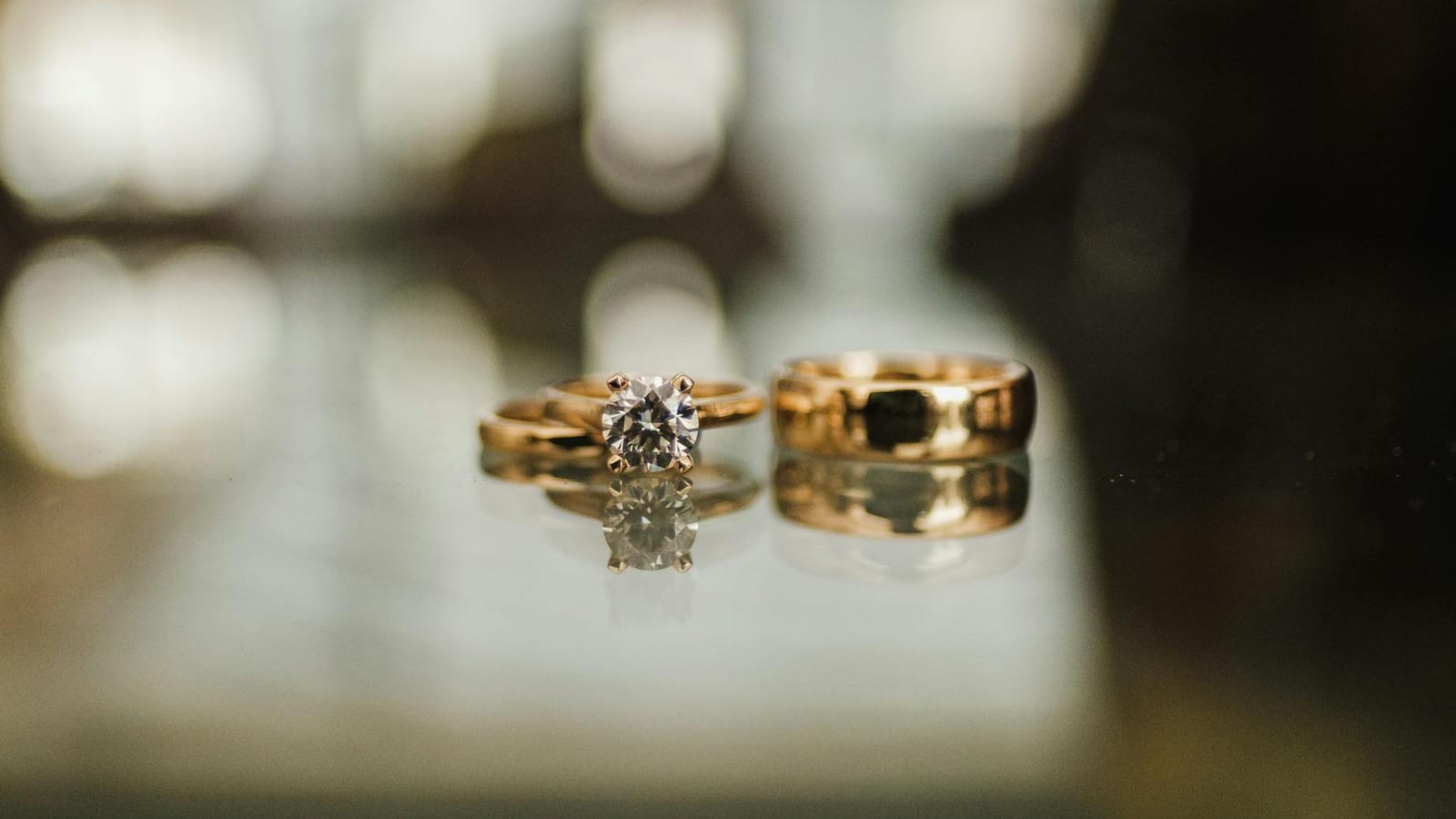
A wedding family can delay a sofa. It cannot delay gold so easily.
That is why even a ₹450 or ₹490 fall in gold matters. On Tuesday, May 26, 2026, jewellery buyers got a small breather as gold and silver prices slipped in India.
The drop came as global markets watched fresh tension between the United States and Iran. For Indian buyers, the link may look distant. But in gold, a headline near Hormuz can quickly reach a jewellery counter in Bengaluru.
Gold slips from recent highs
Local market rates showed 24-carat gold at ₹1,58,890 for 10 grams on Tuesday. That was ₹490 lower than the previous listed rate.
For one gram of 24-carat gold, the price stood at ₹15,889. That meant a fall of ₹49 per gram.
The 22-carat rate also eased. One gram of 22-carat gold fell by ₹45 to ₹14,565. Ten grams stood at ₹1,45,650, down ₹450.
For buyers, 22-carat matters more than 24-carat. Most jewellery sold in India uses 22-carat gold because it is stronger and easier to shape.
So, when 22-carat gold softens, families notice it first. A small fall does not make gold cheap. It only makes the bill hurt a little less.
Why global tension moves gold
Gold has a strange personality. It often rises when the world feels risky. Investors treat it as a safer place to park money.
But prices do not move in a straight line. They can fall even during tension if traders book profits, the dollar strengthens, or local demand weakens.
Tuesday’s fall came against a tense global backdrop. Reports of US action against Iran and continuing worries around Hormuz kept markets alert.
The Strait of Hormuz matters because a large part of the world’s oil passes through that route. If trouble grows there, oil prices can jump.
Higher oil prices hurt India because the country imports much of its crude. That can push up fuel costs, transport bills, and inflation.
Gold then becomes part of a wider household story. A family may face costlier petrol, dearer groceries, and expensive jewellery at the same time.
That is why a fall in gold prices gets attention. It gives buyers a moment to pause and compare.
Buyers remain cautious in India
The source trend also pointed to weaker jewellery buying in India. That fits the mood in many households.
Gold has moved far beyond casual purchase territory. Even small ornaments now require planning, savings, or credit.
A middle-class family buying for a wedding does not look only at the headline rate. It adds making charges, tax, design cost, and wastage.
That final bill can be sharply higher than the gold price shown on a board. A ₹490 fall on 10 grams helps, but it does not change the big picture.
Jewellers also feel this hesitation. When prices run too high, buyers shift to lighter designs. Some exchange old gold instead of buying fresh pieces.
Others split purchases. They buy one item now and postpone the rest. This matters for small jewellery shops that depend on steady footfall.
For them, gold is not just an asset class. It is inventory, working capital, and daily cash flow.
Silver also loses shine
Silver also eased on Tuesday. The listed price stood at ₹284.90 per gram.
That placed the kilogram rate at ₹2,84,900. Silver often moves with gold, but it has a different buyer base.
Gold is tied deeply to weddings, savings, and family wealth. Silver has both household and industrial demand.
Families buy silver for gifts, puja items, anklets, utensils, and festival purchases. Businesses use it in electronics, solar equipment, and other industrial products.
So a fall in silver can mean two things. It may reflect softer investment demand, or it may point to wider caution in commodity markets.
For ordinary buyers, silver’s lower ticket size matters. A family that cannot afford gold may still buy silver for ceremonies.
But silver has also become expensive enough to make people think twice. A kilogram price near ₹2.85 lakh is not loose change.
What shoppers should watch now
Gold buyers should avoid reading one day’s fall as a trend. Precious metal prices can reverse quickly.
Three things matter from here. The first is the global security situation. Any fresh tension involving Iran and the United States can move markets.
The second is the rupee. India imports gold, so a weaker rupee can make landed costs higher.
The third is local demand. Wedding seasons, festivals, and rural incomes often shape jewellery sales in India.
A good monsoon can improve rural buying. Weak farm income can do the opposite.
For customers, the practical advice is simple. Track rates for a few days before a big purchase. Compare making charges, not just the gold rate.
Also check hallmarking. A lower price means little if purity is unclear.
For investors, jewellery and investment gold are different things. Jewellery carries making charges, which reduce resale value.
Coins, bars, sovereign gold bonds, and exchange traded funds work differently. Each has its own cost, tax treatment, and liquidity.
The deeper story is not that gold became affordable overnight. It did not. The real story is that Indian households now live with global shocks built into daily decisions. A conflict far away can touch oil, currency, inflation, and jewellery bills. For families planning weddings or savings, that means patience may matter as much as price.